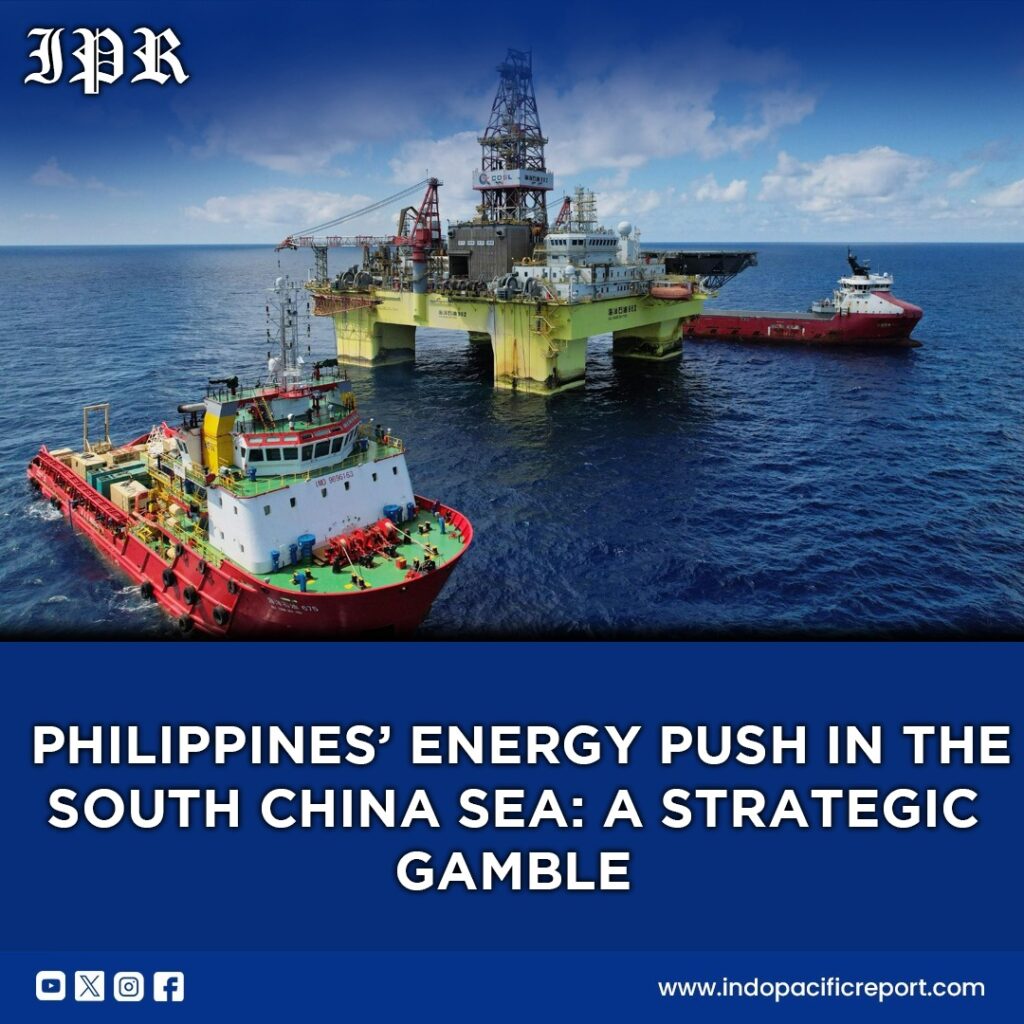
The ongoing war in Iran has sent shockwaves through global energy markets, leaving the Philippines acutely exposed as a net oil importer. Analysts are now urging Manila to resume exploration and consider tapping its own energy reserves in the South China Sea—specifically within its exclusive economic zone (EEZ). Beyond economic necessity, developing these offshore oil and gas fields is becoming a strategic imperative: energy independence is now inseparable from national security.
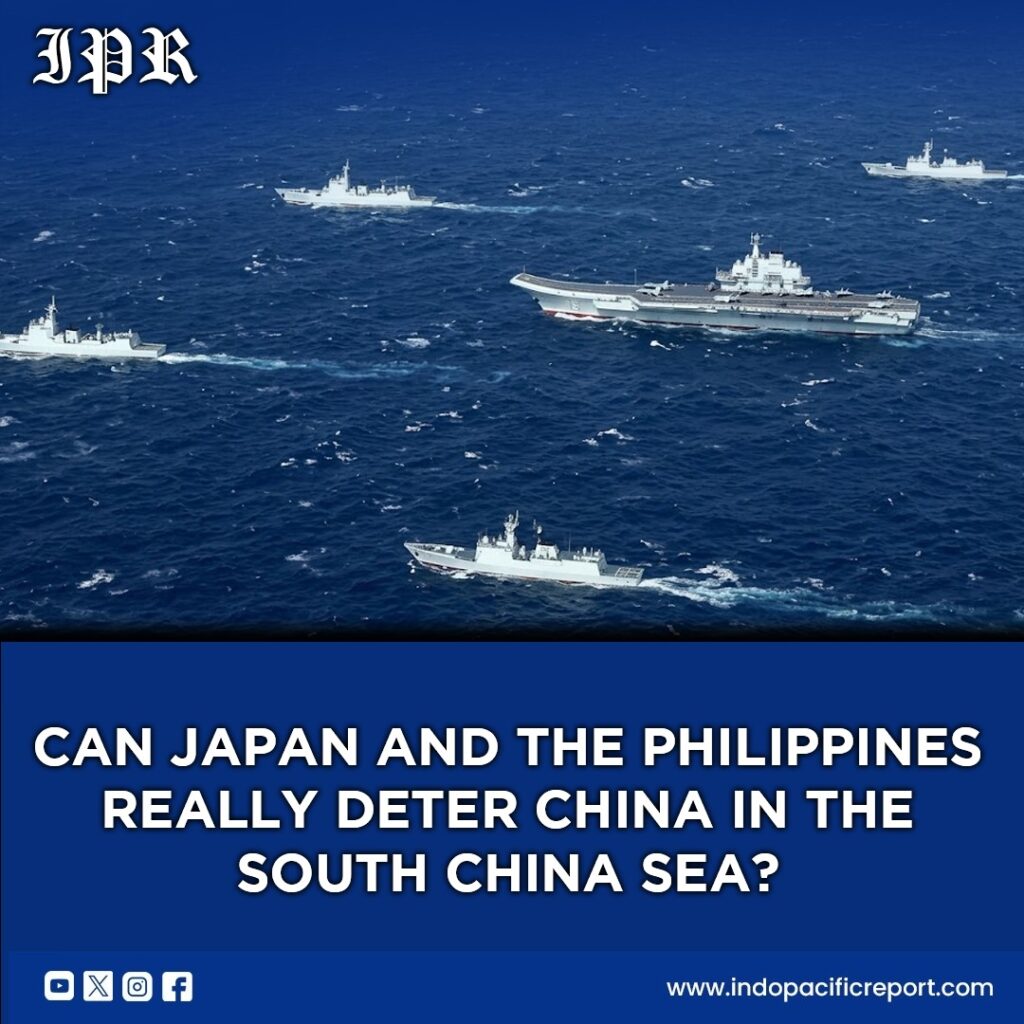
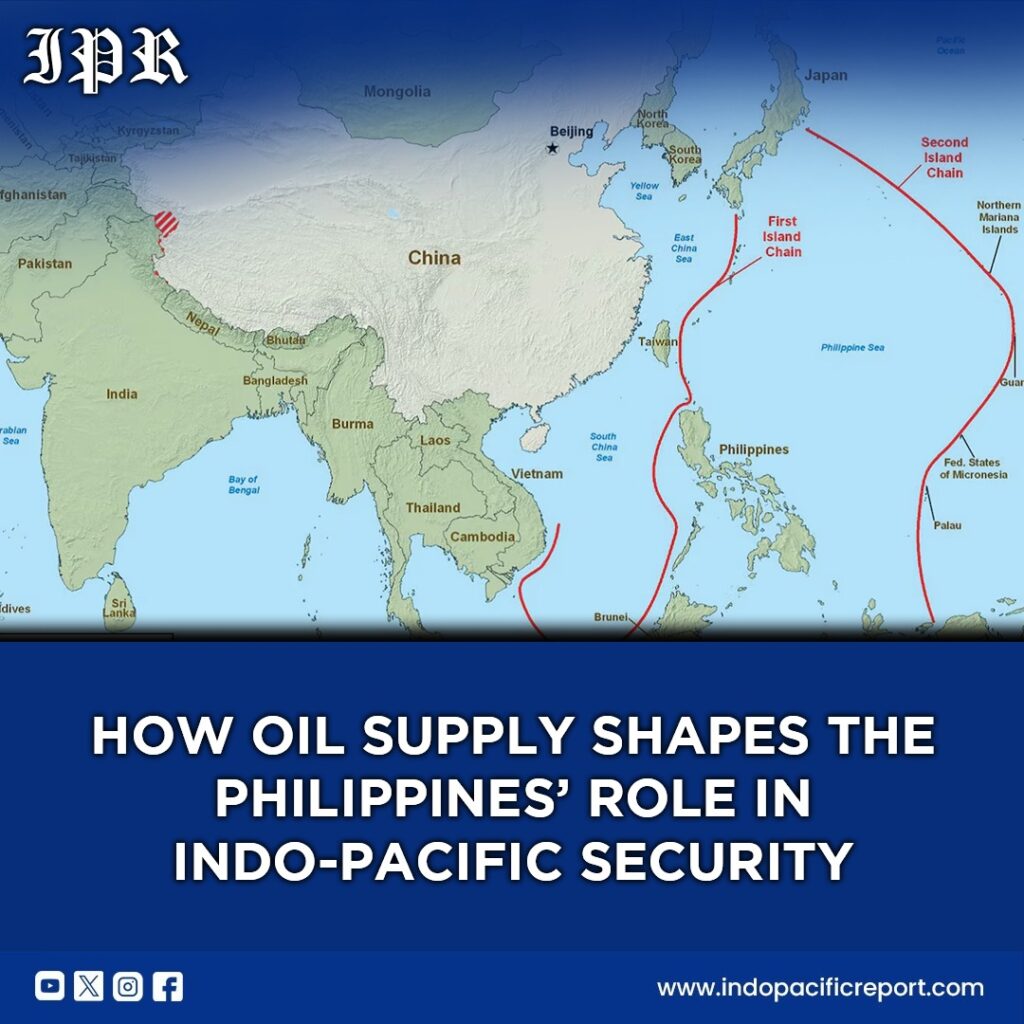
From a great-power competition perspective, the Philippines’ move into its EEZ directly intersects with China’s long-standing ambitions in the region. Beijing’s nine-dash line claims overlap much of Manila’s maritime rights, despite the 2016 Permanent Court of Arbitration ruling affirming Philippine sovereignty over Reed Bank and surrounding areas. Any attempt to extract oil and gas could provoke Beijing’s gray-zone coercion: harassment by coast guard and maritime militia, water cannon incidents, ramming maneuvers, or legal protestations. In this sense, energy policy is not just an economic issue—it is a strategic confrontation with the PRC’s expanding maritime assertiveness.
The situation exposes weaknesses in the regional security architecture. Existing ASEAN frameworks and international legal rulings provide Manila with legal backing, but enforcement is limited. The Philippines cannot rely solely on international law to protect energy infrastructure. Maintaining a credible presence in disputed waters requires a combination of patrols, early-warning surveillance, and rapid-response naval and coast guard units. This reality underscores a broader lesson for the Indo-Pacific: sovereignty over maritime resources cannot be separated from the capacity to defend them.
Alliance dynamics will play a critical role in Manila’s energy strategy. Regional partners, particularly the United States, Japan, and Australia, can provide rotational naval presence, intelligence sharing, and technological support for offshore exploration. Beyond military support, partnerships could include financial investment, technology transfer, and industrial collaboration to help the Philippines build a domestic upstream energy sector capable of exploiting offshore reserves despite Chinese interference. In other words, alliances will be central to both deterrence and operational feasibility.
From a maritime and economic strategy lens, tapping Reed Bank and other offshore reserves is crucial for Manila’s long-term energy security. The Philippines relies heavily on imported oil and gas, leaving it vulnerable to global supply shocks such as the ongoing conflict in the Middle East. Developing local reserves—estimated at 5.4 billion barrels of oil and 55 trillion cubic feet of natural gas—would reduce price volatility, strengthen domestic energy supply, and provide strategic leverage. At the same time, successful energy extraction would signal to regional actors that Manila can assert sovereignty while safeguarding its economic interests in contested waters.
The broader Indo-Pacific balance of power is at stake. China’s dominance in maritime coercion allows it to project influence far beyond its immediate coastline. If the Philippines moves decisively to exploit its EEZ, it could demonstrate that smaller maritime states, backed by alliances and credible deterrence, can contest Chinese control over strategic maritime commons. Conversely, hesitation risks reinforcing the perception that Beijing can unilaterally dictate access to the South China Sea’s resources. Energy development thus becomes both a test of Philippine resolve and a strategic indicator for the wider region.
Looking forward, Manila faces a dual challenge: securing energy independence while managing escalation risks. Offshore development will require careful planning, including sustained naval patrols, allied support, investment in domestic industrial capacity, and legal backing through international frameworks. If executed wisely, tapping the South China Sea’s energy reserves could provide not only economic relief but also a strategic hedge against growing Chinese assertiveness. In short, energy policy is now a frontline tool of sovereignty and deterrence.
Question for readers:
Can the Philippines develop its South China Sea energy reserves without triggering a serious confrontation with China?