Philippines military limitations in the Strait of Hormuz
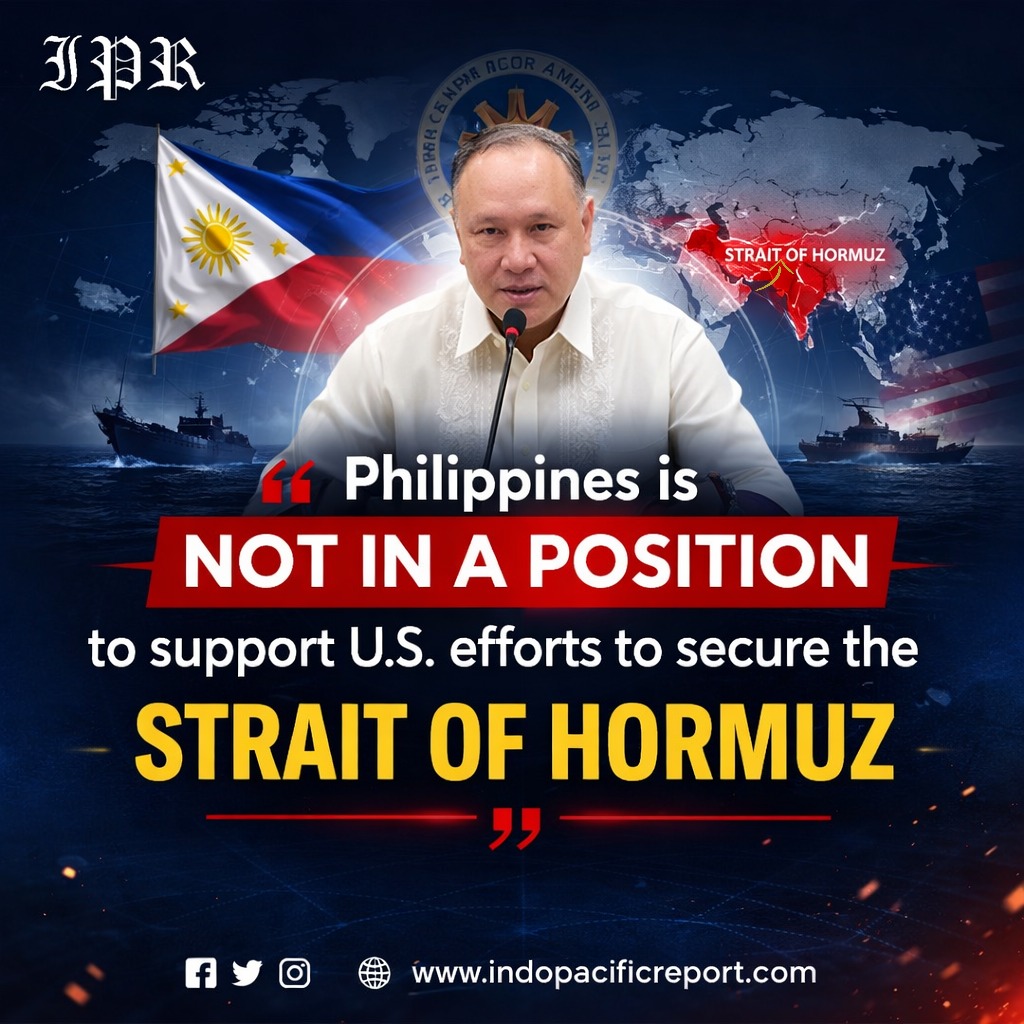
Recent developments in the Strait of Hormuz highlight a critical challenge for U.S. strategy: not all partners can project power beyond their immediate region. The Philippines, despite being a treaty ally, has made clear that it is unable to support operations to secure this vital oil corridor. This exposes a fundamental reality of contemporary geopolitics: alliance commitments do not always translate into operational capability. For Washington, this creates both a strategic gap and a practical dilemma in managing the security of global energy flows.
From a great-power competition perspective, the situation highlights how the U.S. faces constraints even among nominally aligned states. The Strait of Hormuz is not just a regional chokepoint—it is a nexus of global energy security, with over a fifth of the world’s oil passing through its waters. Beijing, Moscow, and Tehran are all attuned to the vulnerabilities of U.S.-led coalitions, and gaps in partner capabilities embolden actors seeking to challenge freedom of navigation. The Philippines’ inability to contribute directly reflects the uneven distribution of military power in the Indo-Pacific and the limits of extended deterrence for middle and smaller powers.
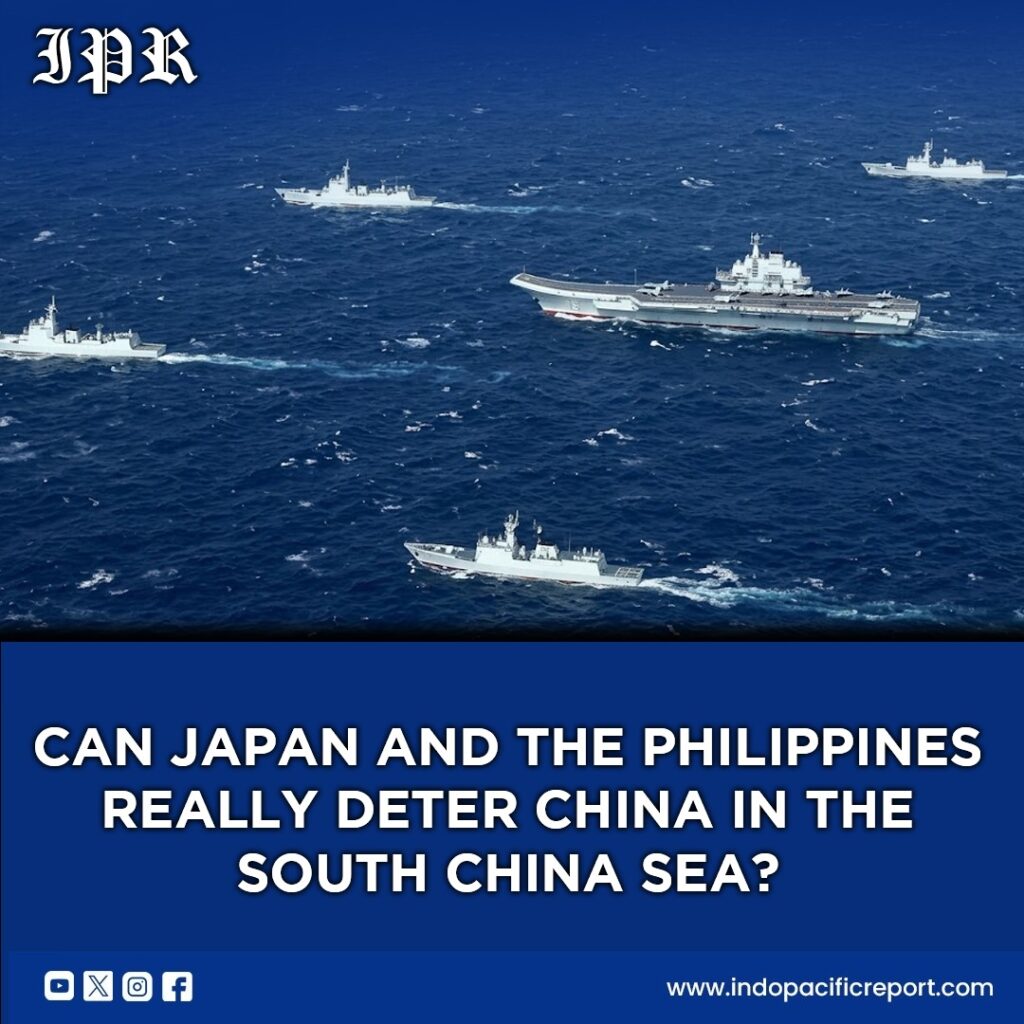
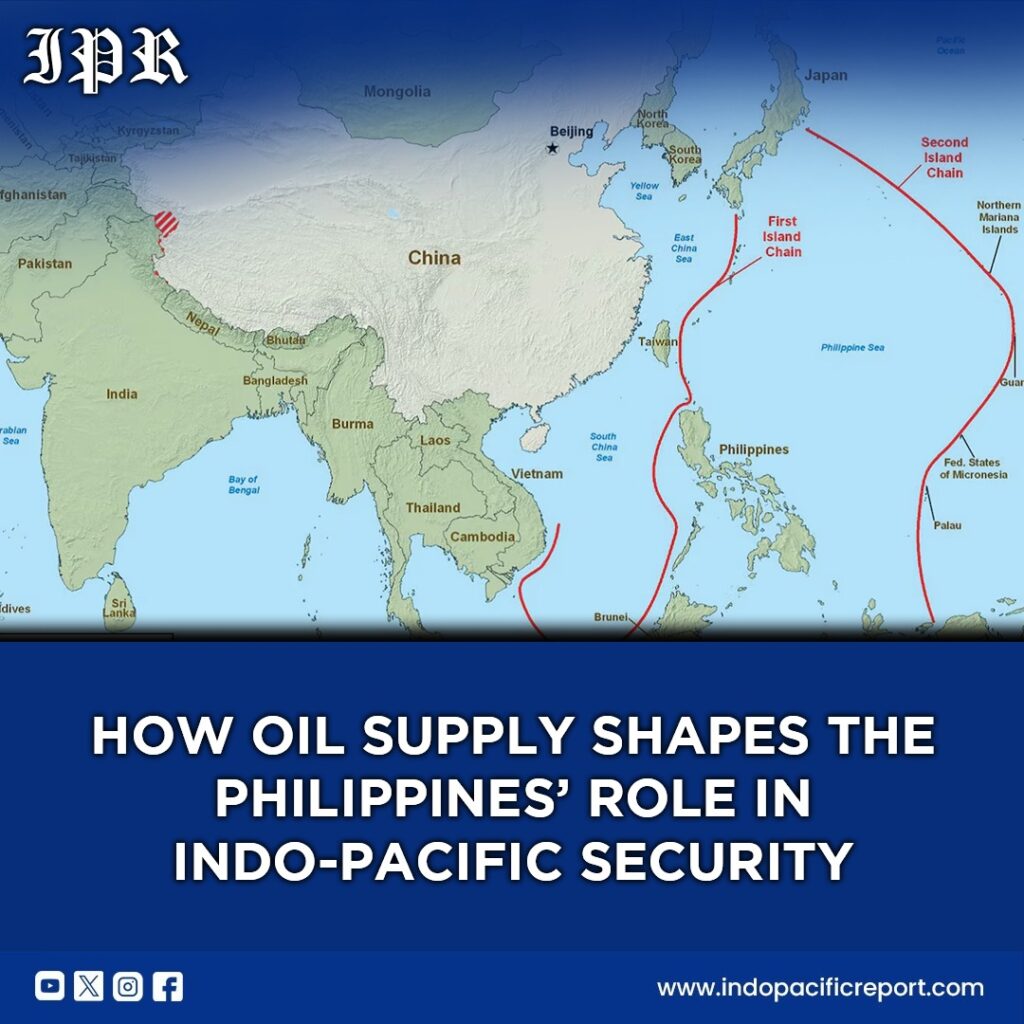
Examining the regional security architecture, it is evident that Southeast Asian states are primarily configured for territorial defense rather than power projection. Manila’s geographic focus is the South China Sea, where it balances sovereignty concerns against China with maritime security cooperation with the U.S. and other partners. Extending military responsibilities to the Middle East falls outside Manila’s strategic bandwidth and operational capacity. This structural limitation demonstrates that regional frameworks are not universal: alliance obligations are often constrained by geography, economic resources, and domestic political considerations.
https://youtu.be/7KIZVdxG9C8?si=3-6Smdgwr-FSD082
In terms of alliance dynamics, Manila’s position forces Washington to recalibrate expectations for coalition building. U.S. strategy has historically relied on a mix of forward-deployed forces, host-nation access, and partner contributions to secure critical global nodes. When a partner like the Philippines cannot contribute beyond its region, the burden shifts to other allies—most notably those with blue-water capabilities such as Japan, Australia, and the United Kingdom. This realignment may affect resource allocation and decision-making in the Indo-Pacific, as the U.S. must weigh global commitments against limited partner support.
https://indopacificreport.com/u-s-navy-ship-docks-at-cagayan-de-oro-port-for-balikatan-2026-expanding-us-military-presence-in-wps/
From a maritime and economic strategy lens, the inability of certain partners to operate in distant theaters heightens vulnerability along critical energy routes. The Strait of Hormuz is central not only to Middle Eastern oil exports but also to the stability of global markets, including energy-dependent economies in Asia. If U.S. forces must act largely unilaterally, the risk of miscalculation and escalation rises, particularly in an environment of heightened Iran-U.S. tensions. For the Philippines, its role remains regional, but indirect exposure is unavoidable, as disruptions in oil flows can influence domestic energy prices and economic stability.
U.S Navy Ship Docks at Cagayan de Oro Port For Balikatan 2026 Expanding US Military Presence in WPS!
The broader implications for the Indo-Pacific balance of power are two fold. First, the limitations of middle and smaller powers reinforce the centrality of capable regional actors and the U.S. in sustaining a rules-based order. Second, it exposes an operational gap in global energy security that adversaries can exploit. Even as the U.S. emphasizes alliance networks, the uneven distribution of capabilities among partners suggests that global deterrence is contingent, not assured. This dynamic may encourage regional powers to diversify energy sources, strengthen their own maritime and air capabilities, and hedge against reliance on distant powers.
https://youtu.be/7KIZVdxG9C8?si=3-6Smdgwr-FSD082
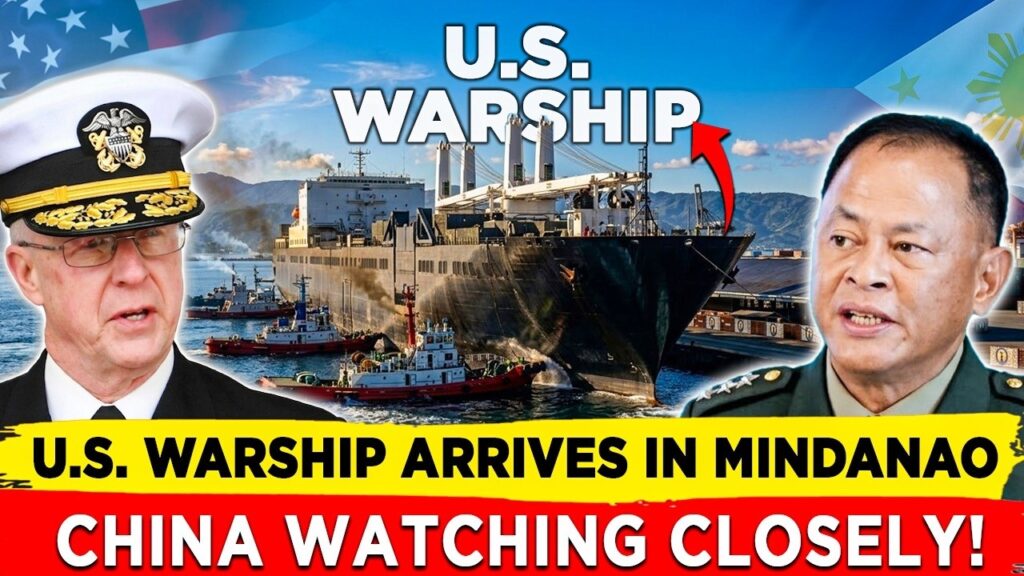
Looking ahead, this episode serves as a strategic lesson: operational capability, not alliance labels, dictates influence. For Washington, reliance on partners like the Philippines for out-of-region missions must be tempered by realistic assessments of capacity. For Manila and similar states, the episode emphasizes the importance of focusing on domestic defense, maritime sovereignty, and regional partnerships while navigating the broader currents of global power competition. Ultimately, the question is not whether allies want to act, but whether they can—a distinction that will shape both regional security calculations and U.S. strategic planning in the Indo-Pacific for decades to come.
https://youtu.be/7KIZVdxG9C8?si=quyL4jHVcFuO2vzr