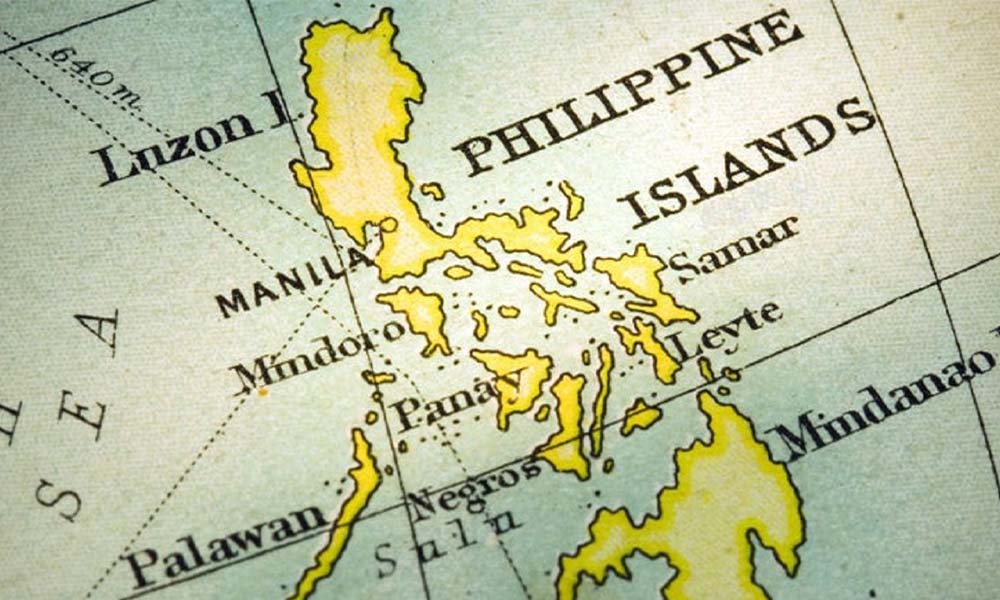
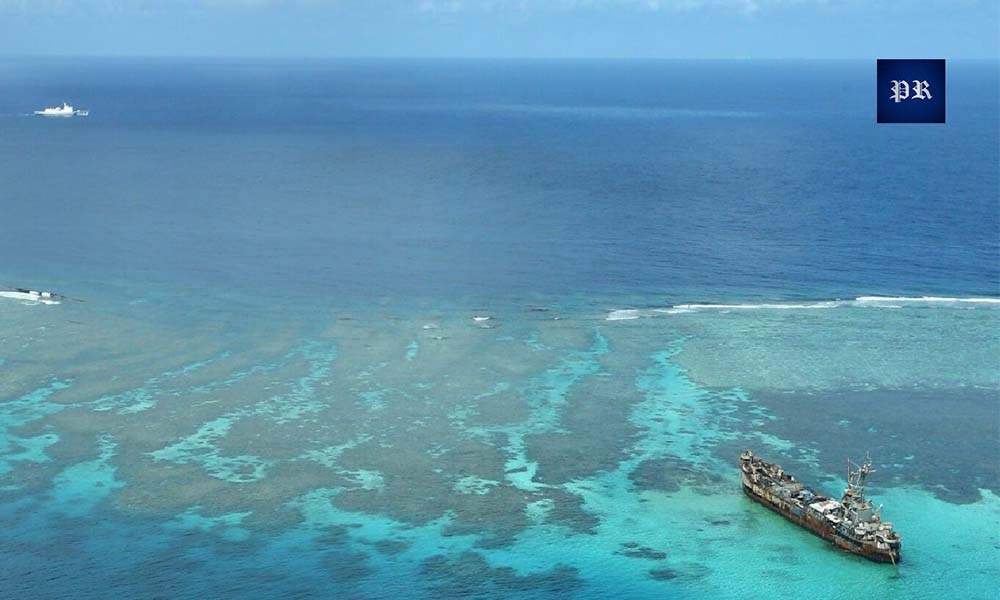
In recent years, tensions in the South China Sea have continued to escalate, particularly as China becomes more assertive in its territorial claims. The Philippines, a key player in this geopolitical flashpoint, has repeatedly clashed with China over contested waters. This situation raises an important question: in the event of a serious confrontation between the Philippines and China, would NATO member states come to the aid of the Philippines?
Although NATO is a Euro-Atlantic military alliance with its primary focus on Europe and North America, its increasing involvement in the Indo-Pacific region has drawn attention. NATO members are not bound by legal obligations to defend the Philippines, yet their growing naval presence and strategic interests in the Indo-Pacific may play a significant role in shaping how they respond to a South China Sea crisis.
NATO’s Presence in the Indo-Pacific
NATO has historically maintained a cautious approach toward direct involvement in the Indo-Pacific. However, the security landscape is rapidly changing, and NATO is now stepping up its naval presence in the region. A recent example is the deployment of the Italian aircraft carrier *Cavour* and the USS *Abraham Lincoln*, both of which conducted joint exercises near Guam. Italy, like several other NATO members, is increasingly viewing the Indo-Pacific as an area of strategic importance. Italian Rear Admiral Giancarlo Ciappina stated that this deployment demonstrates Italy’s ability to project power globally, a shift in NATO’s posturing that reflects a broader shift among European nations.
The rise of NATO’s engagement in the Indo-Pacific stems from concerns about China’s growing influence and military capabilities. China has the world’s largest navy by the number of warships, and its aggressive maneuvers near Taiwan and the South China Sea have alarmed not only the U.S. but also its European allies. China’s increased presence in these waters, coupled with its claims over the majority of the South China Sea, has escalated tensions with neighboring countries, including the Philippines.
As a result, European countries like France, the UK, Germany, and the Netherlands have been deploying naval assets to the region. These deployments are not just symbolic; they reflect European recognition of the Indo-Pacific’s critical importance to global trade and security.
Legal and Strategic Constraints for NATO Members
Despite NATO’s growing presence in the region, it is important to note that NATO’s mutual defense obligations, enshrined in Article 5 of the NATO treaty, only apply to attacks on member states in Europe and North America. This means that, legally, NATO members are not compelled to defend the Philippines in the event of a military confrontation with China. The Philippines is not a NATO member, and the South China Sea is far outside NATO’s traditional sphere of operations.
However, NATO’s involvement in global security issues has never been strictly limited by geography. NATO’s mission has evolved since the Cold War, with member states engaging in military operations beyond Europe, such as in Afghanistan and Libya. The inclusion of China in NATO’s guiding strategy document in 2022 marked a significant shift. This document describes China as a challenge to NATO’s “interests, security, and values,” signaling that the alliance is increasingly aware of the need to address security threats beyond its traditional boundaries.
NATO’s growing interoperability with non-member allies like Japan, South Korea, Australia, and New Zealand further complicates the picture. These countries, often referred to as the Pacific Four, have strengthened their ties with NATO in recent years. Leaders from these nations attended NATO’s 2024 summit, underscoring the alliance’s acknowledgment that the security of the Euro-Atlantic and Indo-Pacific regions are interconnected. As U.S. Ambassador to Japan Rahm Emanuel put it, “The security of the Indo-Pacific and the security of the Euro-Atlantic are two sides of the same coin.”
U.S. Commitment and the Philippine-U.S. Mutual Defense Treaty
While NATO’s legal obligations may be limited in the Indo-Pacific, the U.S. has a separate mutual defense treaty with the Philippines, signed in 1951. This treaty obligates both nations to support each other in the event of an armed attack in the Pacific, providing a much more straightforward path for U.S. involvement in a South China Sea conflict. Given that the U.S. is a leading member of NATO, any military support for the Philippines would likely include collaboration with NATO allies, particularly those with assets in the region.
The United States has already demonstrated its commitment to the Philippines, conducting joint military exercises and providing military aid in the face of Chinese assertiveness. However, as the Pentagon faces growing demands elsewhere, such as in the Middle East and Europe, it may call on its European allies to augment its capabilities in the Indo-Pacific, especially if a crisis in the South China Sea escalates.
European Contributions to Indo-Pacific Security
Although European NATO members are unlikely to take a front-line role in the South China Sea, their contributions to Indo-Pacific security could be crucial in several ways. European navies are increasingly capable of augmenting U.S. forces, whether by providing additional platforms for U.S. aircraft, bolstering submarine-hunting capabilities, or assisting with logistical support. These roles may not involve direct combat with Chinese forces, but they could prove essential in a larger conflict, allowing the U.S. to focus its resources on critical areas.
The UK, for instance, has scheduled the deployment of the HMS *Prince of Wales* carrier strike group to the Pacific in 2025, and France has announced plans to send its *Charles de Gaulle* carrier. These deployments signal a readiness by European powers to maintain a presence in the Indo-Pacific and act as a deterrent to China’s aggressive maneuvers in the South China Sea.
While some analysts argue that European navies cannot substitute for the U.S. presence in the Indo-Pacific, their participation could relieve pressure on the U.S. Navy, particularly as American carriers are increasingly stretched across the globe. Brent Sadler of the Heritage Foundation has noted that the U.S. currently lacks the number of carriers needed to sustain global demands, making European support more valuable than ever.
Economic and Strategic Interests
NATO members have economic as well as strategic reasons for their growing interest in the Indo-Pacific. Around 30% of the world’s trade flows through the South China Sea, including a significant portion of Europe’s energy imports. Any disruption in these shipping lanes would have severe repercussions for global trade and energy security. As European countries continue to develop national strategies that emphasize the importance of free-flowing trade in the Indo-Pacific, it becomes clear that their interests are tied to the stability of the region.
Moreover, the Philippines is an important strategic partner for Europe, with shared interests in maintaining a rules-based international order and freedom of navigation. While European nations may not be obligated to defend the Philippines militarily, their interests align closely with Manila’s, particularly regarding the protection of global trade routes and opposition to China’s expansionist policies.
The Risk of Escalation
Despite NATO’s growing involvement in the Indo-Pacific, the risks of military escalation with China cannot be understated. China has consistently criticized NATO’s presence in the region, accusing the alliance of provoking instability. The Chinese government has aligned itself with Russia in condemning NATO, with both countries conducting joint military exercises to demonstrate their opposition to Western influence.
China’s growing military capabilities, including its expanding navy and advancements in missile technology, present a formidable challenge for NATO and its partners. In the event of a conflict in the South China Sea, the involvement of NATO member states would undoubtedly escalate tensions with China, potentially drawing other regional powers into the fray.
Conclusion: A Conditional Support?
In summary, NATO member states are unlikely to be legally or automatically obligated to support the Philippines in the event of a South China Sea crisis. However, the evolving strategic environment in the Indo-Pacific suggests that some level of support could be forthcoming, particularly from the United States and European NATO members with naval assets in the region. While NATO’s primary focus remains the Euro-Atlantic, its growing presence in the Indo-Pacific indicates that it views the region’s stability as essential to global security.
The degree of support would likely depend on the scale of the crisis and the U.S.’s involvement under its mutual defense treaty with the Philippines. European nations, while not leading the charge, could play significant supporting roles, especially if they view China’s actions as a direct threat to international trade or global security. In such a scenario, NATO’s role in the Indo-Pacific would likely be one of augmentation and deterrence, rather than direct intervention.
Click here to discover more!