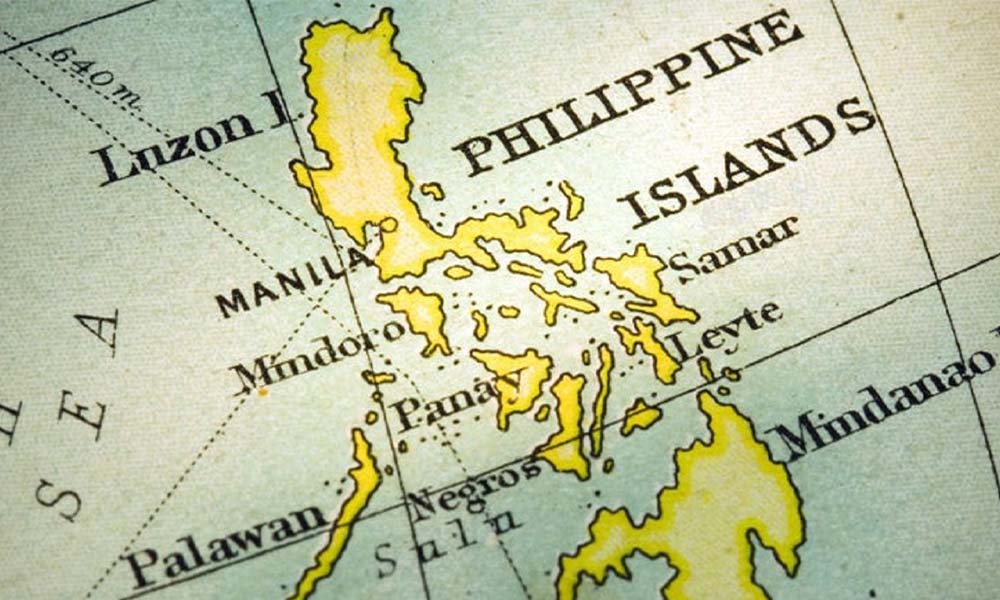
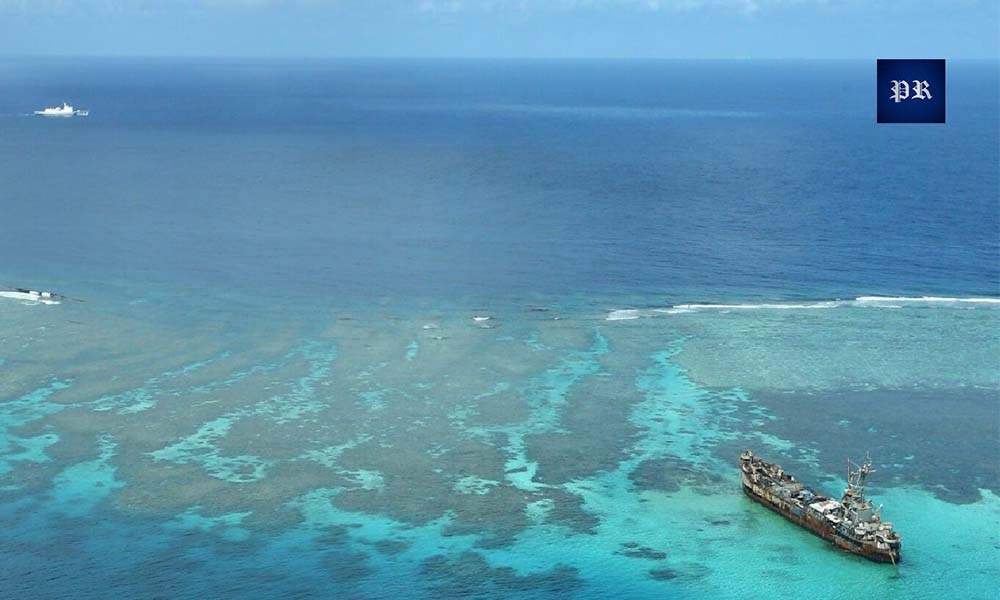
The West Philippine Sea has become the stage for a dramatic confrontation that encapsulates the global struggle between might and right. The latest incident at Ayungin Shoal (Second Thomas Shoal) saw a powerful display of Chinese maritime force encircling a Philippine resupply mission, creating a stark visual of the power imbalance in these contested waters. Located unequivocally within the Philippines’ Exclusive Economic Zone (EEZ), just 106 nautical miles from Palawan, Ayungin is guarded by the BRP Sierra Madre—a rusting but resolute vessel that has served as a symbol of Philippine sovereignty since 1999.
In a powerful response, Philippine Defense Secretary Gilberto Teodoro Jr. condemned Beijing’s maneuvers as “unacceptable, aggressive, and illegal.” His statement, firmly anchored in the 2016 Arbitral Award, UNCLOS, and the Philippine Constitution, transcends a simple maritime protest. It is a definitive declaration of national principle, drawing a clear line against China’s “gray-zone” tactics, including blockades, ramming, and coordinated disinformation campaigns.
This principled stand is bolstered by a growing network of international support. From Australia’s firm defense of the “rules-based order” to the deepening military coordination with the United States and Japan, the global community is increasingly aligning with Manila’s lawful position. At home, the Armed Forces of the Philippines (AFP) demonstrate unwavering resolve, continuing vital resupply missions to the Sierra Madre despite intensifying pressure. The human cost of this defense—epitomized by a Filipino Navy diver who lost a thumb in a 2024 clash—transforms Ayungin from a geopolitical dispute into a moral frontline. The message is unmistakable: the Philippines will not yield in its fight for sovereignty, international law, and the dignity of the nation.
The Ayungin Shoal Incident: A Detailed Breakdown of Chinese Escalation
The recent confrontation at Ayungin Shoal represents a significant and alarming escalation in China’s tactics in the South China Sea. According to detailed reports from the Philippine Coast Guard and Department of National Defense, the Chinese deployment was massive and highly coordinated, involving:
- Five China Coast Guard (CCG) ships
- Nine Maritime Militia vessels
- Eleven armed rigid-hull inflatable boats (RHIBs)
This was not a passive presence. Eyewitness accounts from the Philippine Navy describe a scene of calculated intimidation. Chinese RHIBs, some equipped with mounted crew-served weapons, swarmed the smaller Philippine resupply boats, cutting across their bows at dangerously close range—sometimes within 50 meters, a hair’s breadth from collision. The larger CCG ships activated high-pressure water cannons, unleashing torrents powerful enough to shatter wooden panels and damage critical supplies, while their loudspeakers blared warnings in Mandarin.
Adding to the provocation, the Chinese flotilla deployed unconventional tactics like fishing nets and floating barriers to physically trap the Philippine vessels and prevent them from reaching the BRP Sierra Madre. This shift from shadowing to active, close-contact coercion—including reports of Chinese personnel brandishing bladed weapons in past encounters—signals that Beijing is deliberately testing Manila’s resolve. The line between “gray-zone” operations and outright armed confrontation is becoming perilously thin.
Philippines Draws Line Against China: ‘Scarborough Will Not Become Another Mischief Reef’
Legal Stand and National Resolve: Teodoro’s Condemnation and the Foundation of International Law
The Philippine government’s response was swift, powerful, and legally unassailable. Defense Secretary Gilberto Teodoro Jr. left no room for ambiguity, labeling China’s actions “gross violations of international law” and directly attacking the core of Beijing’s territorial claims. He famously called China’s expanded “10-dash line” the “biggest fiction and lie ever imposed on the region,” a rhetorical shift from diplomatic caution to a firm defense of truth and legality.
This moral stance is built on a rock-solid legal foundation: the landmark 2016 ruling by the Permanent Court of Arbitration (PCA) in The Hague. This ruling, which China refuses to acknowledge, is central to the South China Sea dispute and provides the Philippines with an undeniable legal upper hand. The tribunal conclusively found that:
- Ayungin Shoal lies within the Philippines’ Exclusive Economic Zone (EEZ).
- China’s “nine-dash line” claim has no legal basis.
- The shoal is a low-tide elevation, meaning it cannot be claimed by any state and generates no territorial waters.
This legal mandate is matched by the unwavering commitment of the Armed Forces of the Philippines. AFP Chief of Staff General Romeo Brawner Jr. has vowed that Filipino forces “will defend every inch of our territory, and every drop of our waters,” affirming that resupply missions to the Sierra Madre will continue “no matter the risk, no matter the harassment.” This unified front from defense and military leadership sends a clear signal: the Philippines will stand firm, backed by international law and national courage.
Geopolitical Fallout and the Philippine Strategy of Transparency and Alliances
The ripple effects of the Ayungin clash were immediate and significant, strengthening Manila’s position on the world stage. Key allies including the United States, Japan, and Australia swiftly issued statements of support, reaffirming their commitment to a “rules-based international order” and “freedom of navigation” in the South China Sea. This is not merely rhetorical support; it translates into tangible action. The Philippines is actively deepening its defense ties, pursuing new Visiting Forces Agreements (VFA) with countries like New Zealand and Canada to enhance military interoperability, training, and logistics.
Manila’s strategic response is a masterclass in modern statecraft, combining operational persistence with radical transparency. The government has made it clear it will not seek permission or provide prior notification for its lawful resupply missions. Simultaneously, every water-cannon blast, dangerous maneuver, and act of ramming is meticulously documented by the Philippine Coast Guard and shared with the global public. This strategy builds an irrefutable evidentiary record, counters Chinese disinformation, and rallies international opinion to Manila’s side.
Yet, behind the strategy lies a profound human cost. The June 2024 incident where a Filipino sailor lost a thumb during a violent boarding action by Chinese personnel is a somber reminder of the risks. Each resupply mission is a gauntlet run by brave personnel in small boats, facing down vastly superior vessels to deliver food and supplies to their comrades on the Sierra Madre. Their courage turns legal principles into a lived, defended reality.
China’s Bombers Move In, Manila Refuses to Back Down – South China Sea Crisis Escalates
Conclusion: Holding the Line for Law and Sovereignty in the West Philippine Sea
China’s escalating coercion at Ayungin Shoal has only hardened the Philippines’ resolve. While Beijing’s tactics grow more brazen—featuring armed swarms and deliberate blockades—Manila’s response remains anchored in the powerful trinity of international law, strategic alliances, and the courage of its personnel.
The future will undoubtedly hold more challenges. Each voyage to the BRP Sierra Madre is more than a logistical run; it is a reaffirmation of the nation’s sovereign rights and a test of the global rules-based order. The Philippines has vowed never to abandon its post and never to surrender its legal and moral standing. As the world watches, Ayungin Shoal stands as a powerful symbol—a testament to the principle that in the face of overwhelming force, law and unwavering courage can, and will, hold the line.