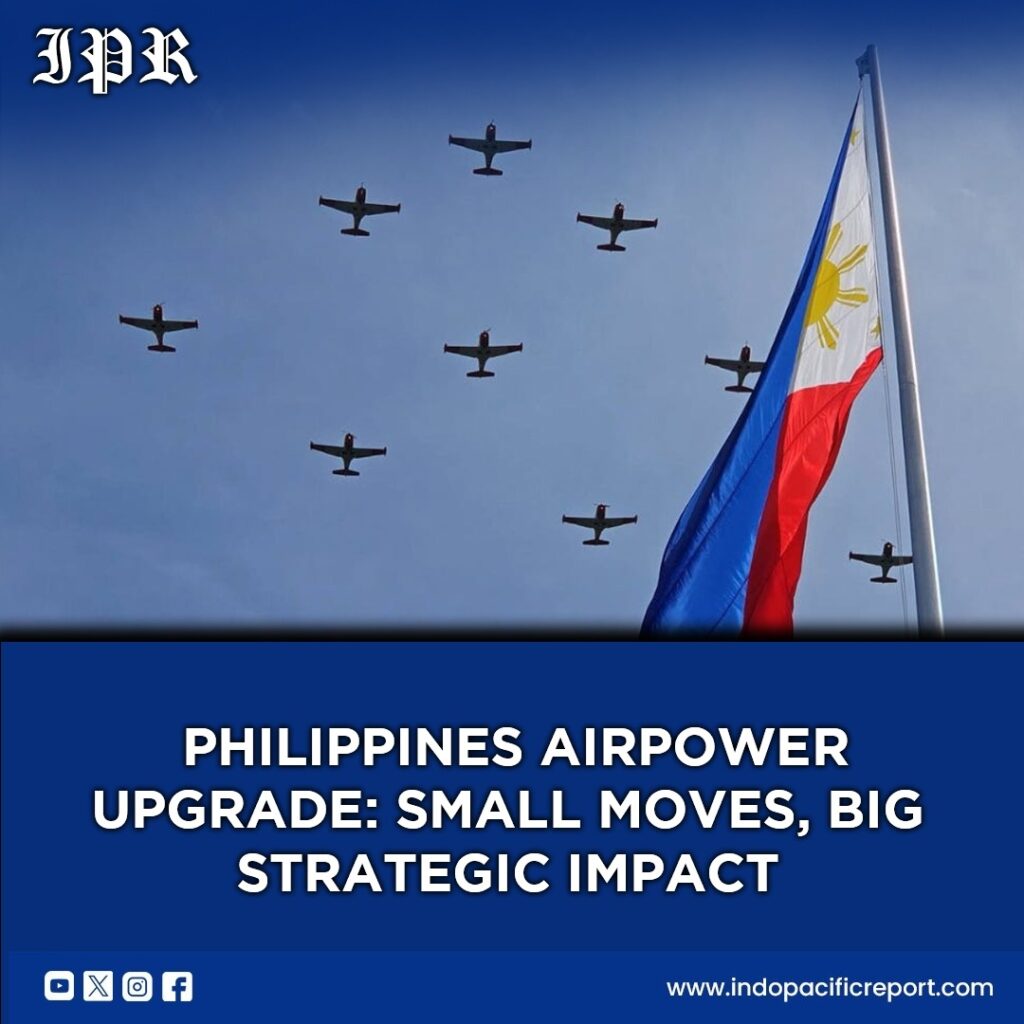
The steady arrival of new aircraft and helicopters into the Philippine Air Force (PAF), based on contracts signed in 2022–2023, is not just a routine modernization story. It reflects a slow but clear shift in how the Philippines is thinking about its security. These platforms—long-range patrol aircraft, transport planes, and helicopters—are not designed to win wars alone. Instead, they are meant to improve awareness, mobility, and coordination. In today’s Indo-Pacific, those are the building blocks of deterrence.
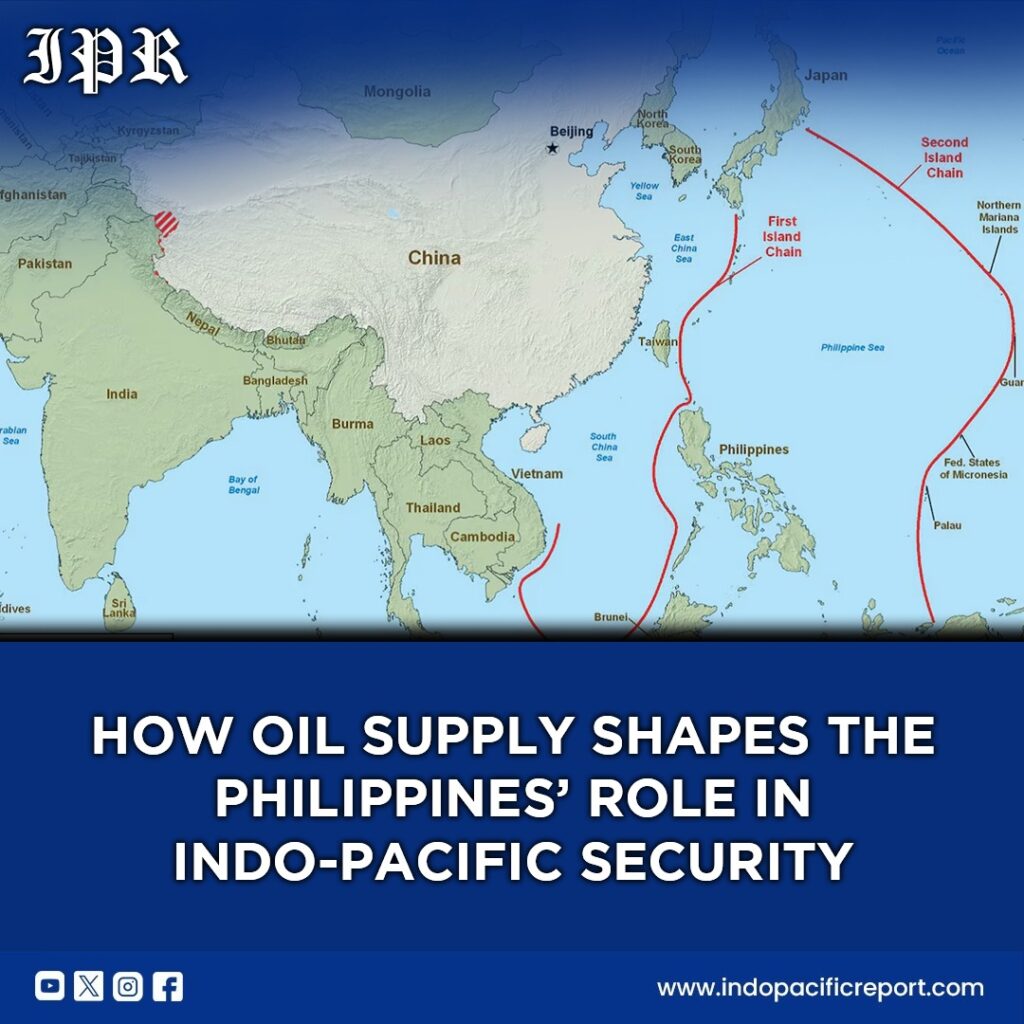
At the level of great-power competition, this matters more than it appears. The Philippines sits in a critical location along the first island chain, facing the South China Sea. This is one of the main pressure points between the United States and China. By adding long-range patrol aircraft, Manila improves its ability to monitor its waters and track activity in contested منا. This is basic maritime domain awareness, but it is essential. It allows the Philippines to see first, understand early, and respond faster. In modern strategy, visibility is power. Even a small increase in surveillance capacity can complicate the plans of a stronger rival.
These upgrades also fit into a changing regional security architecture. Southeast Asia has traditionally avoided hard military alignment. But that is slowly changing. The Philippines is moving toward a more structured defense posture, focused on interoperability and rapid response. Aircraft like the C-130J and Black Hawk helicopters improve airlift capability. This means troops, supplies, and aid can move quickly across the archipelago. It also means the Philippines can plug more easily into joint operations with partners. In a crisis, speed and coordination matter more than size.
U.S. Troops Arrive in Lumbia Air Base – Here’s What’s Actually Happening
Alliance dynamics are central here, especially with the United States. The modernization of the PAF supports deeper military cooperation under frameworks like EDCA. These new assets are dual-use. They can support national defense, disaster response, and joint military operations. For Washington, this increases operational flexibility in the region. For Manila, it strengthens deterrence without formally escalating tensions. This is a classic example of “deterrence by denial”—making it harder for any adversary to act without facing resistance.
From a maritime and economic perspective, the focus on surveillance and transport is logical. The Philippines is an island nation with large maritime zones and limited control over them. Protecting fisheries, sea lanes, and potential energy resources requires persistent presence. The Long-Range Patrol Aircraft project directly supports this. At the same time, helicopters and light transport aircraft improve internal connectivity. They help in disaster relief, which is a constant need, and also support military logistics. In simple terms, these assets help the state function better, both in peace and in crisis.
How China Took Over Mischief Reef – Can the Philippines Stop It?
However, there are clear challenges. Some projects are moving slowly, especially the Light Lift Aircraft program. Delays and lack of transparency raise questions about procurement efficiency. There are also risks in relying on multiple foreign suppliers. While diversification reduces dependency, it creates complexity in maintenance, training, and integration. Over time, this can reduce readiness if not managed well. In strategy, capability is not just about buying platforms—it is about sustaining and using them effectively.
In the broader Indo-Pacific balance of power, these developments are small but meaningful. The Philippines is not trying to match larger powers. Instead, it is contributing to a wider pattern where smaller states build enough capacity to resist pressure. This supports a “distributed deterrence” model, where many states, each with limited capabilities, collectively raise the cost of coercion. In such a system, even modest upgrades—if used well—can have strategic impact.
The real test will be execution. Can the Philippines turn these new assets into real operational strength? Can it maintain them, train with them, and integrate them into a clear defense strategy? If yes, it strengthens both national security and regional stability. If not, these acquisitions risk becoming symbolic rather than strategic.
Philippine Senator Urges Stronger Defense Against China on Pag-asa Island
Question for the audience:
Can small but steady military upgrades like these actually deter a major power, or do they only delay the inevitable?