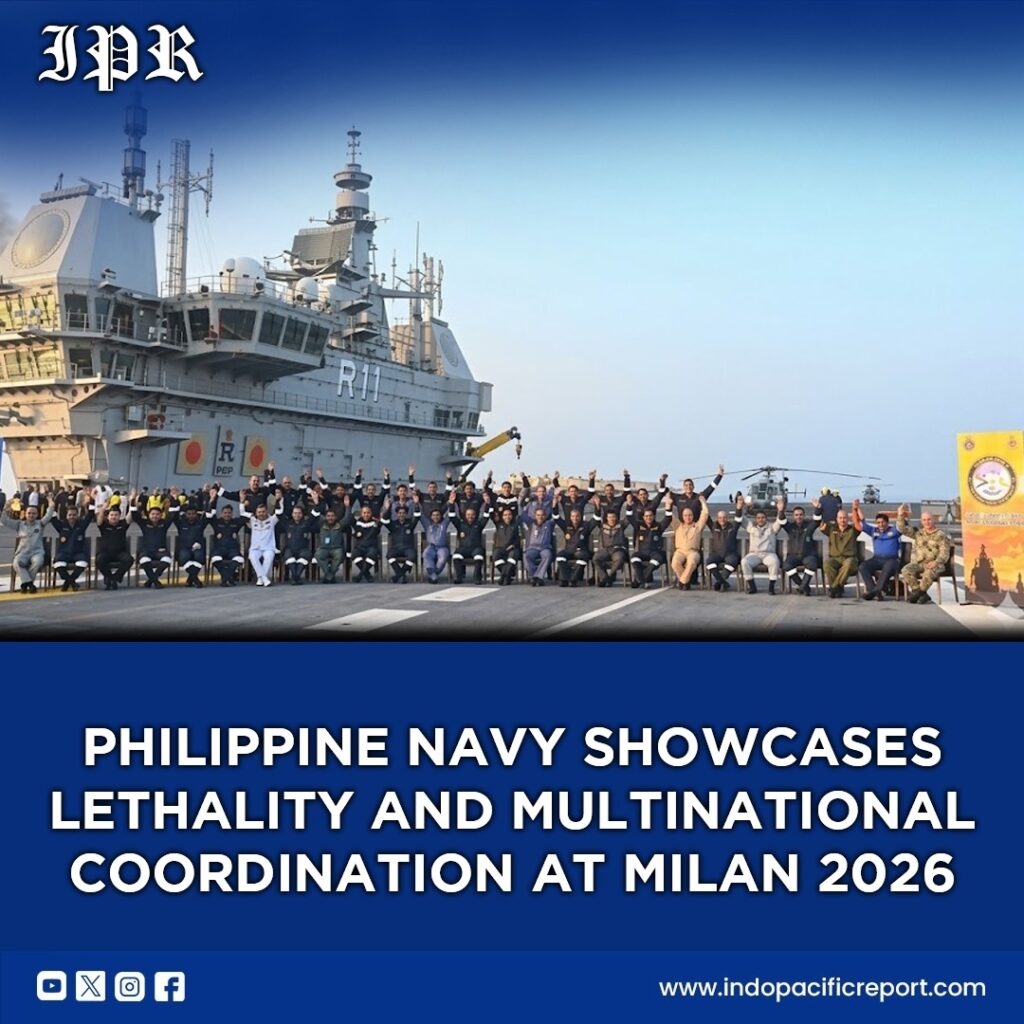
During the MILAN 2026 Sea Phase, the BRP Miguel Malvar (FFG-6) showcased its warfighting capability in live-fire gunnery exercises alongside regional partner navies. Using its 76mm main gun to engage a moving towed target, the ship demonstrated not only precision and fire control proficiency but also the ability to integrate sensors, systems, and personnel in real-time operations. Exercises like this are vital for the Philippine Navy’s operational readiness and regional maritime security.
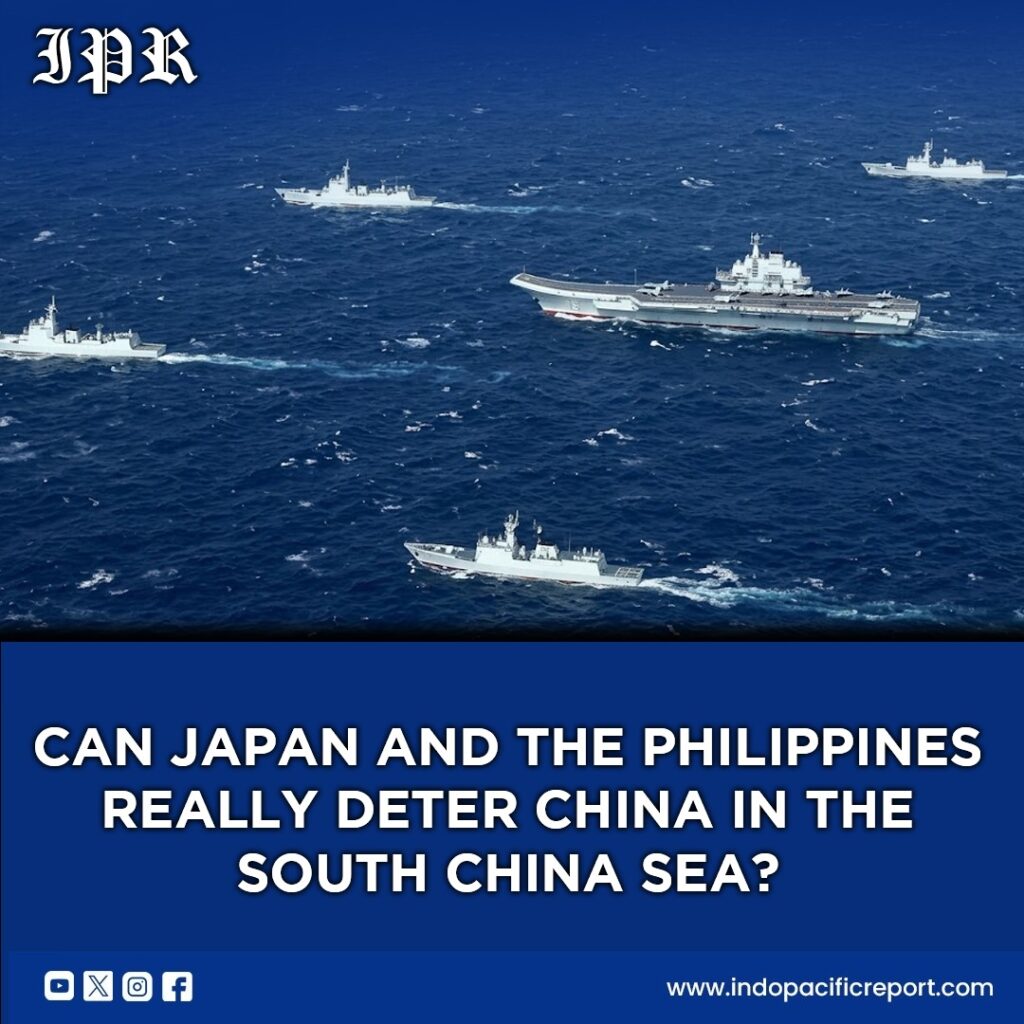
From a great-power competition perspective, the exercise signals Manila’s commitment to maintaining a credible naval presence in the South China Sea and adjacent maritime spaces. As China continues to assert dominance in contested waters through gray-zone tactics and military expansion, the ability of smaller Indo-Pacific navies to operate effectively with partners becomes a critical element of deterrence. Demonstrating gunnery accuracy and coordination in multinational exercises increases both operational confidence and regional credibility.
In terms of regional security architecture, MILAN 2026 strengthens interoperability among ASEAN navies and partners such as India, the U.S., and Japan. These exercises enhance collective response capabilities in scenarios ranging from maritime interdiction and disaster response to high-intensity combat. For the Philippines, this builds not only tactical proficiency but also confidence that multilateral frameworks can function effectively in crises.
Alliance dynamics are reinforced through such drills. By engaging closely with allied and partner navies, the Philippine Navy strengthens operational coordination, aligns standards, and builds trust in multilateral missions. This is crucial in a region where security challenges are both conventional and hybrid, from piracy and smuggling to coercive maneuvers by major powers. MILAN serves as a platform to demonstrate Manila’s capability and willingness to collaborate on shared maritime security objectives.
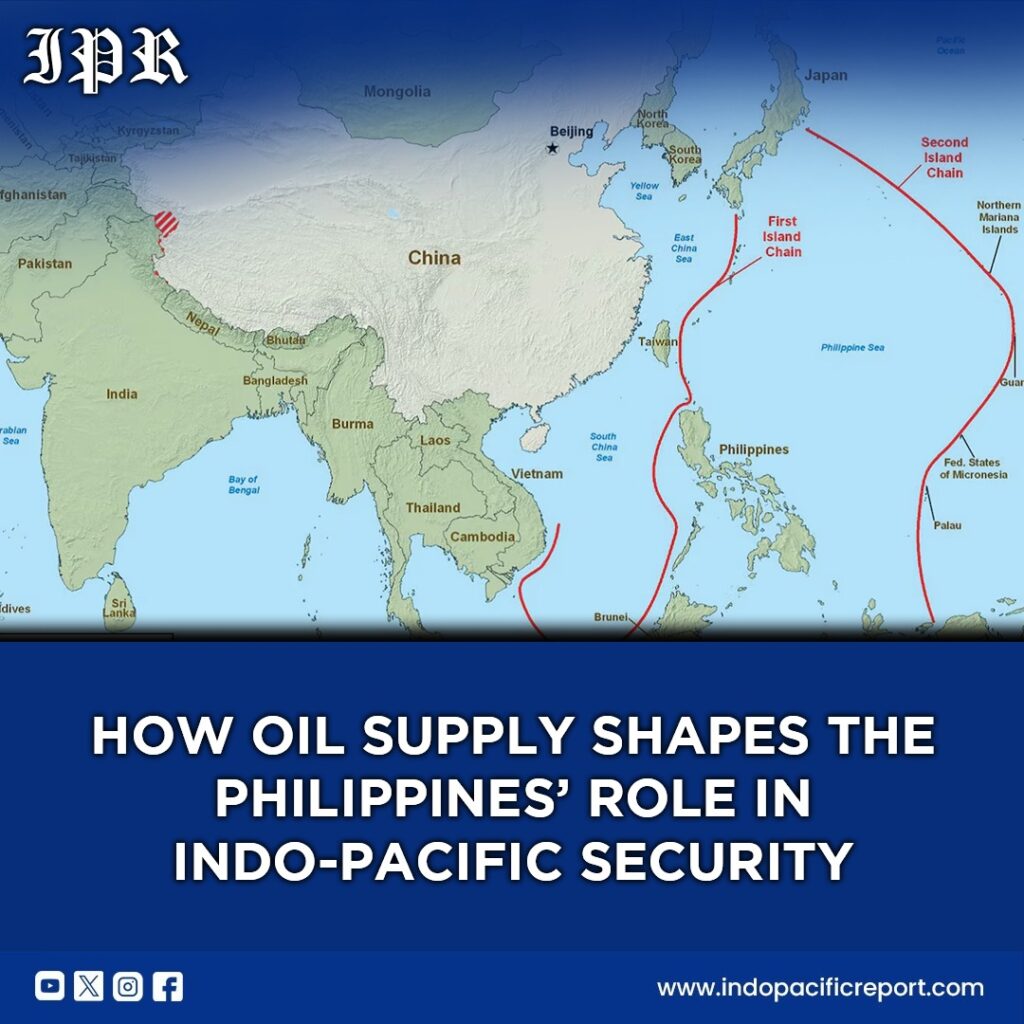
From a maritime and economic strategy lens, operational readiness supports the protection of exclusive economic zones (EEZs) and maritime trade routes. Ensuring that the Philippine Navy can project force effectively in key sea lanes underpins the country’s economic security. Gunnery proficiency, sensor integration, and mission execution form the foundation for safeguarding fisheries, energy resources, and shipping lanes against disruption.
Looking at the Indo-Pacific balance of power, exercises like MILAN 2026 show that even smaller navies can enhance deterrence and strategic positioning through training, modernization, and multilateral engagement. The Philippines’ investment in gunnery and interoperability capabilities sends a clear signal: Manila is prepared to defend its maritime interests while contributing to regional stability and collective security.
Forward-looking assessment: As the South China Sea remains a theater of strategic competition, continued participation in multinational exercises, combined with ongoing modernization of platforms and weapon systems, will be central to Manila’s maritime strategy. Enhancing lethality, sensor integration, and personnel readiness ensures the Philippine Navy remains credible and capable in the evolving Indo-Pacific security environment.
Question for readers: Can multilateral naval exercises like MILAN effectively deter coercive actions in contested Indo-Pacific waters?