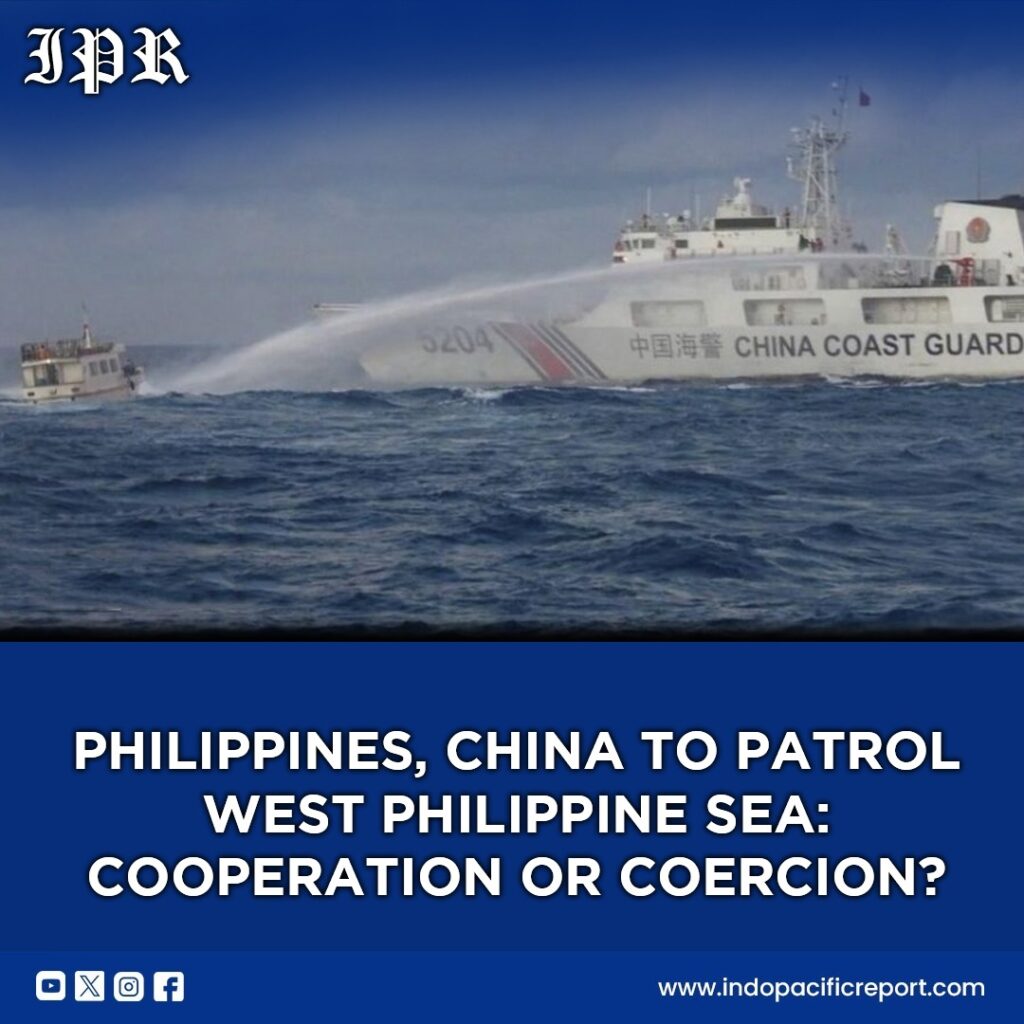
The Philippines and China are reportedly planning joint patrols in the West Philippine Sea (South China Sea), with an agreement expected in March 2026. This development follows months of friction between the two coast guards, including mutual accusations of harassment and encroachment. Philippine authorities have framed the joint effort as a combination of patrols, search-and-rescue operations, and environmental cleanup, signaling a shift from confrontation to structured engagement. This initiative is set against Manila’s broader push to finalize a Code of Conduct in the South China Sea during its ASEAN chairmanship by December 2026.
From a great-power competition lens, this initiative reflects China’s dual strategy of coercion and engagement. While Beijing asserts maritime claims through warnings and show-of-force measures, it also seeks to normalize interactions with smaller claimants. The joint patrol concept allows China to project control indirectly, integrating cooperative activities while maintaining strategic leverage over Philippine operations. For Manila, participation represents a pragmatic effort to mitigate tensions and avoid escalation, balancing sovereignty assertions with the realities of asymmetric power dynamics.
In terms of regional security architecture, the planned patrols illustrate the limits of existing frameworks. ASEAN’s consensus-based mechanisms often fail to produce enforceable outcomes in disputes with major powers. The joint patrols can be seen as a stopgap measure, allowing both parties to institutionalize communication and reduce the likelihood of miscalculations at sea. However, without robust enforcement mechanisms, such arrangements may reinforce status quo stability while leaving strategic vulnerabilities unaddressed, particularly in contested maritime corridors vital for trade and security.
Alliance dynamics also play a significant role. The Philippines remains a treaty ally of the United States under the Mutual Defense Treaty, and American forces regularly conduct freedom-of-navigation operations in the South China Sea. Manila’s engagement with Beijing may be read as an effort to balance US support with regional diplomacy, avoiding actions that could provoke direct confrontation. At the same time, cooperation in ostensibly benign missions—rescue, patrol, environmental protection—serves as a signal to Washington that Manila is managing Chinese pressure responsibly, maintaining alliance credibility while exploring independent conflict management strategies.
From a maritime and economic strategy perspective, the West Philippine Sea is critical. The area encompasses rich fishing grounds, potential hydrocarbon reserves, and major shipping lanes. Joint coast guard operations could improve maritime safety, reduce incidents at sea, and enhance environmental monitoring. Yet, they also provide China with an opportunity to normalize its presence in contested waters and gather intelligence on Philippine patrol routines, potentially strengthening its operational position in the South China Sea. These dynamics highlight the fine line Manila must navigate between cooperation and strategic exposure.
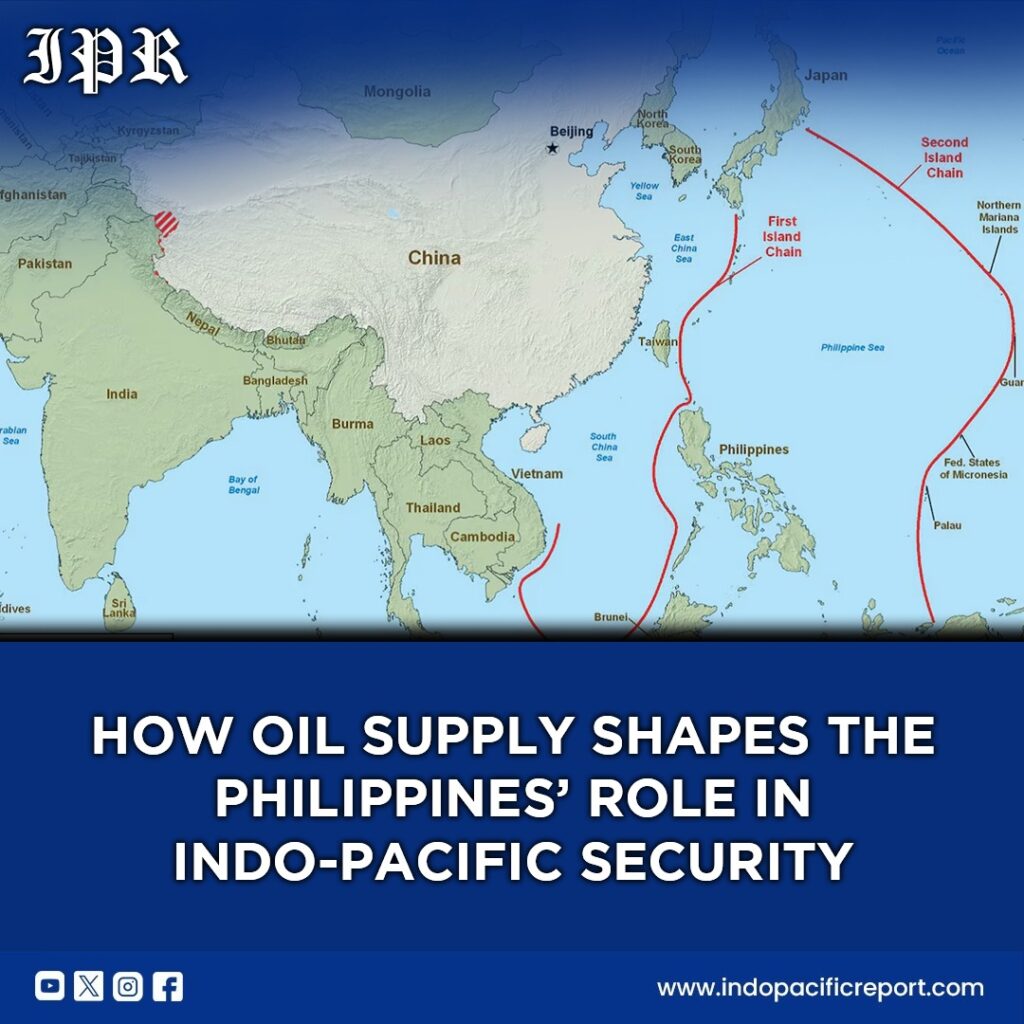
The implications for the Indo-Pacific balance of power are subtle but significant. While the joint patrol initiative may temporarily reduce incidents, it does not fundamentally alter China’s maritime posture or its growing influence across the South China Sea. Instead, it reflects a broader regional trend in which smaller states pursue dual-track strategies: engaging Beijing diplomatically while relying on alliance guarantees from the US and other partners to deter coercion. This careful calibration demonstrates the continued relevance of the first-island-chain strategy, where Philippine, Taiwanese, and Japanese territorial positions interact with US deterrence efforts to shape China’s operational calculus.
Forward-looking assessment: The planned joint patrols are a pragmatic attempt at crisis management rather than a resolution of underlying disputes. They provide opportunities for improved communication, safety, and environmental protection but should not be mistaken for a weakening of China’s strategic ambitions. For Manila, success will depend on maintaining transparency with allies, safeguarding maritime intelligence, and linking cooperative initiatives to broader deterrence measures. The move also signals to other Southeast Asian claimants that measured engagement with China can coexist with alliance-based deterrence, offering a template for balancing sovereignty, economic interests, and regional security.
Audience Question: Can small maritime states like the Philippines effectively manage Chinese pressure through cooperative patrols, or do such initiatives risk normalizing China’s dominance in contested waters?