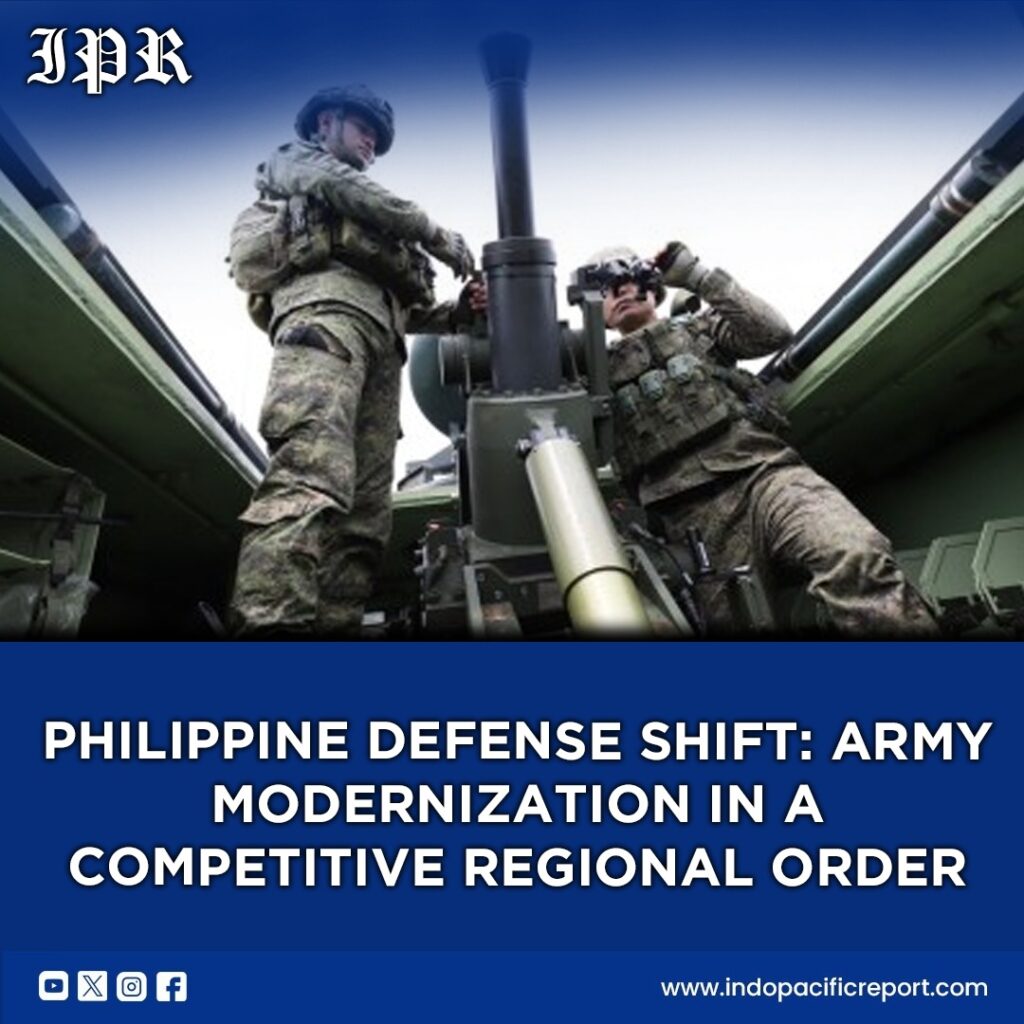
The 129th founding anniversary of the Philippine Army in Fort Bonifacio, Taguig was a formal and symbolic moment, but it also carried strategic meaning. President Ferdinand “Bongbong” Marcos Jr. used the occasion to honor the Army and once again stress a key policy direction of his administration: continued modernization of the Armed Forces of the Philippines (AFP). He also called on soldiers to maintain discipline, professionalism, and integrity. On the surface, this is a routine state–military interaction. In reality, it reflects how the Philippines is adapting its defense posture in a more contested Indo-Pacific environment.
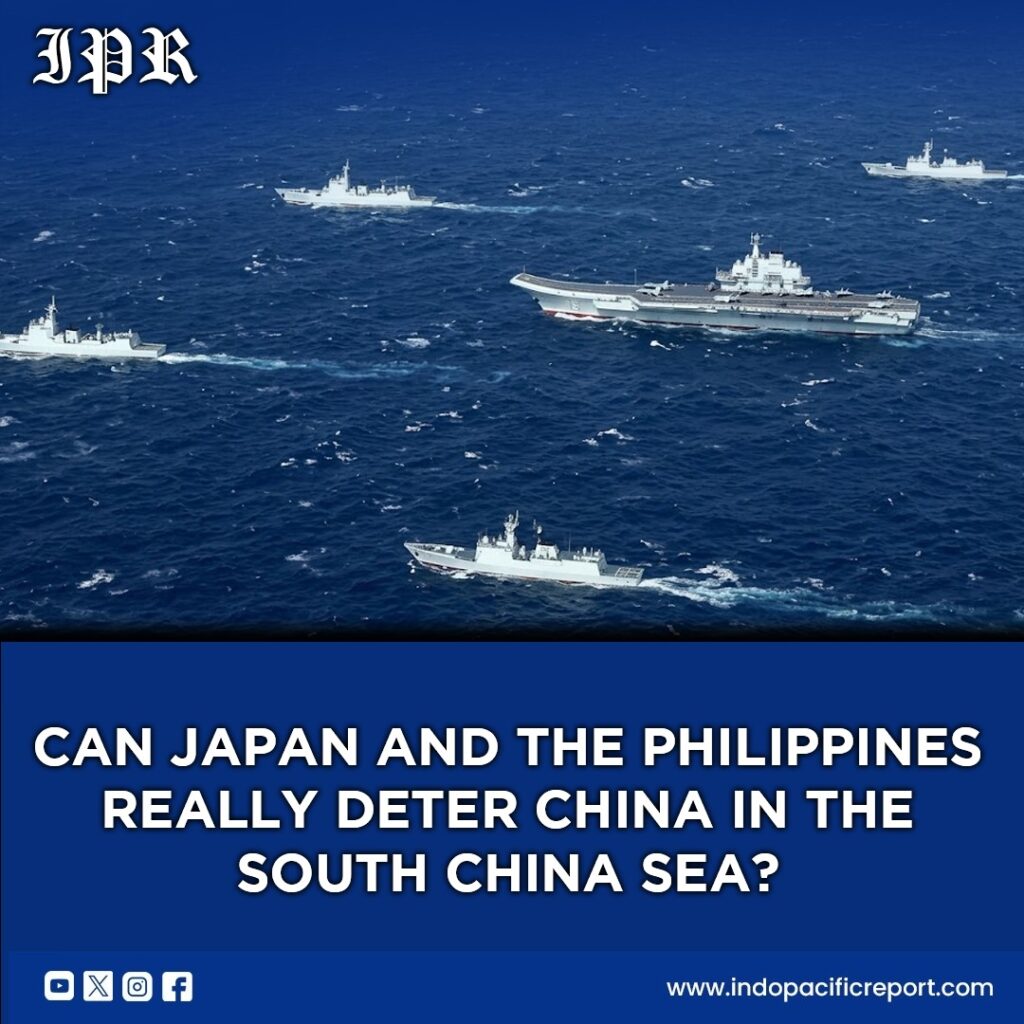
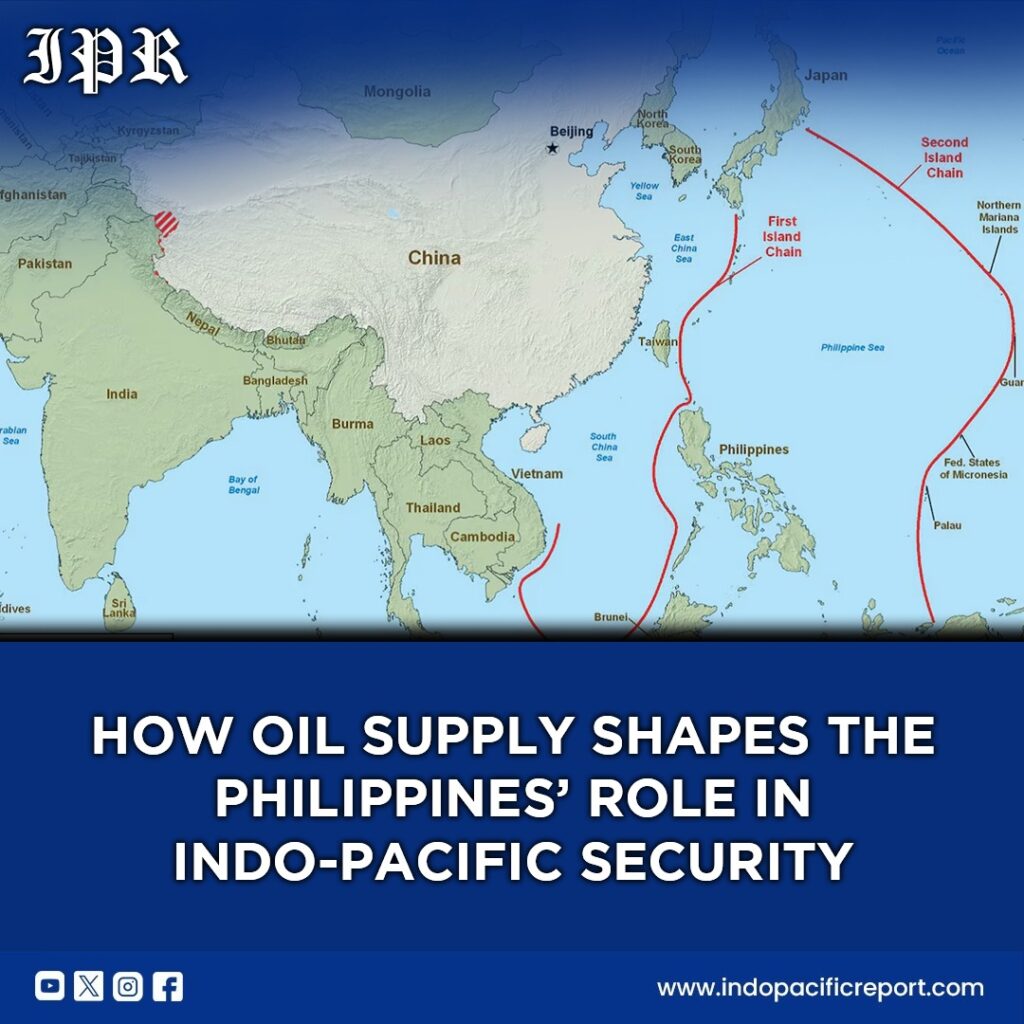
From the lens of great-power competition, this message is shaped by growing regional pressure, especially in maritime Southeast Asia. The Philippines sits at the frontline of South China Sea tensions, where state competition is increasingly expressed through gray-zone tactics rather than open warfare. These include coercive presence operations, maritime patrol pressure, and incidents involving coast guards and naval forces. While these challenges are often discussed in naval terms, the Army remains central to the country’s overall deterrence structure. It is responsible for territorial defense, internal security, and joint operations that would be critical in any wider conflict scenario involving external powers.
At the level of regional security architecture, the Philippines is operating in a fragmented system. ASEAN provides dialogue platforms, but it does not function as a collective defense bloc. This limits its ability to respond to maritime coercion in the South China Sea. As a result, countries like the Philippines must rely more on national military strength and bilateral partnerships. Marcos’ emphasis on modernization reflects this reality. The Philippines is not just participating in regional diplomacy—it is also preparing for a security environment where each state must increase its own defense capacity to remain credible.
Alliance dynamics are a key part of this shift. The Philippines is a treaty ally of the United States, and this alliance has become more active in recent years through expanded access agreements, joint exercises, and interoperability programs. Military modernization strengthens this relationship in practical terms. A more capable Philippine Army improves joint planning, training integration, and operational coordination with U.S. forces. It also sends a political signal: Manila intends to remain a reliable partner in the U.S.-led security network in the Indo-Pacific, even while maintaining pragmatic ties with China.
From a maritime and economic security perspective, Army modernization is not limited to land warfare. The Philippines is an archipelagic state, so land, sea, and air domains are closely connected. The Army supports coastal defense, island security, and protection of critical infrastructure such as ports, logistics hubs, and energy facilities. In a contested maritime environment like the West Philippine Sea, economic stability depends on secure sea lanes and resilient infrastructure. Military modernization therefore has direct implications for national economic security and crisis resilience.
In terms of Indo-Pacific balance of power, Marcos’ remarks reflect a broader trend: middle powers strengthening their defense capabilities as great-power rivalry deepens. The Philippines is not shifting fully into confrontation, nor is it disengaging from diplomacy with China. Instead, it is pursuing a dual-track strategy—modernization for deterrence, and dialogue for risk management. This reflects the strategic reality of the region, where competition and cooperation coexist but do not cancel each other out.
Looking ahead, the key question is whether military modernization can keep pace with rising regional tensions. The Philippines is clearly investing in stronger defense capabilities, but the strategic environment is evolving quickly. The effectiveness of this modernization will depend not only on equipment and training, but also on how well it is integrated into alliances and regional partnerships.Is military modernization enough to ensure security in the Indo-Pacific, or does it still depend more on alliances and external support?