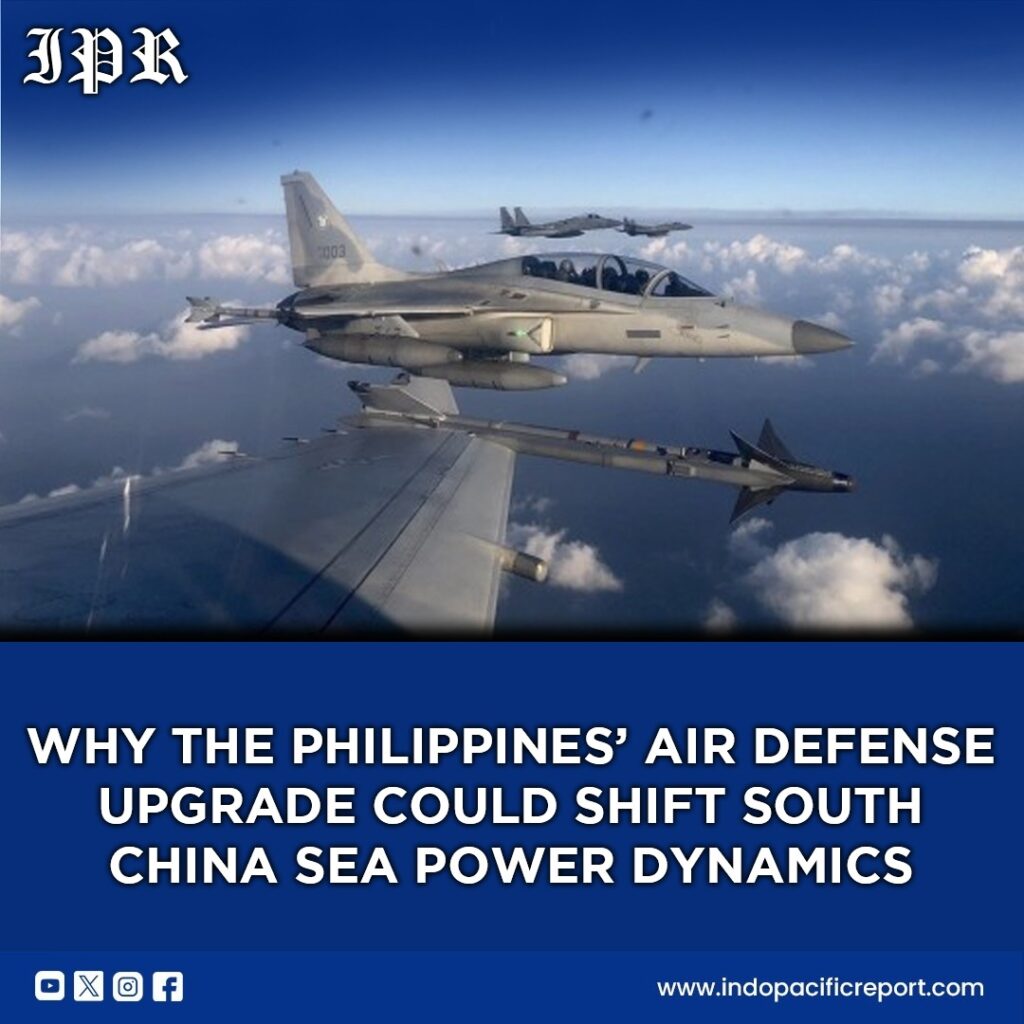
The Philippines’ recent statements on air defense modernization underscore a growing recognition of strategic vulnerability in an era of missile proliferation. Defense Secretary Gilberto Teodoro Jr. highlighted the urgent need to expand and upgrade the country’s anti-missile systems, noting that current capabilities—three batteries of medium-range Spyder systems—are insufficient to meet contemporary threats. This emphasis reflects a broader strategic reality: in the Indo-Pacific, national resilience increasingly depends on survivable, credible air defense networks capable of intercepting missiles and deterring coercive actions.
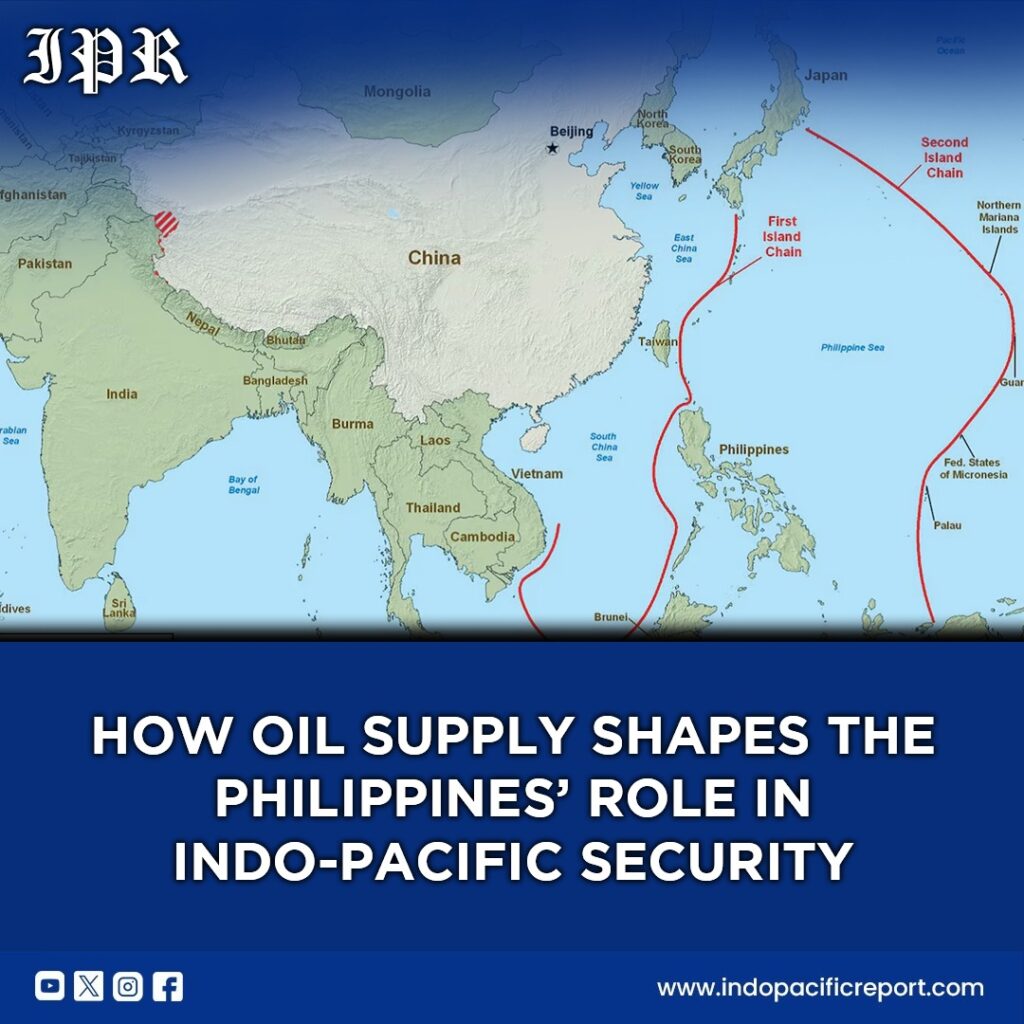
From the lens of great-power competition, the Philippines’ air defense gap is particularly consequential. Chinese ballistic and cruise missile capabilities have evolved rapidly, and regional gray-zone coercion—such as harassment in the South China Sea—is now often accompanied by sophisticated aerial surveillance and missile posturing. Without a robust air defense umbrella, Manila’s strategic infrastructure, including U.S. rotational facilities and missile prepositioning sites, remains vulnerable to precision strikes. Strengthening intercept capabilities is therefore not only a national defense imperative but also a critical element in the credibility of U.S.-Philippine alliance deterrence in the First Island Chain.
The development also interacts with regional security architecture. Modern, layered air defenses provide a protective shield not just for Philippine forces but also for forward-deployed allied assets, enabling joint operational continuity under threat. Survivable systems, distributed across northern Luzon, Palawan, and other strategic nodes, enhance the resilience of rotational U.S. deployments and ensure that missile and reconnaissance assets can function under fire. This aligns with contemporary expeditionary advanced basing concepts, where mobility, redundancy, and rapid repair define operational viability in a contested environment.
Alliance dynamics are reinforced as air defense capability grows. U.S. operational planning increasingly assumes that allies can defend their own skies to reduce the risk of rapid escalation or catastrophic losses during a crisis. Manila’s investment in systems such as Spyder—and potentially longer-range or multi-layered solutions—signals to Washington that the Philippines is assuming a greater share of the burden for collective defense. Moreover, it strengthens the credibility of deterrence messaging toward Beijing, demonstrating that forward-deployed U.S. assets will have a protective shield rather than being exposed to first-strike vulnerabilities.
Maritime and economic considerations further heighten the stakes. Northern Luzon, Palawan, and surrounding sea lanes remain vital conduits for regional commerce, connecting East Asia to global markets. Robust air defenses reduce the risk of coercion that could disrupt shipping or compromise U.S.-Philippine operational freedom in these maritime corridors. In combination with missile and naval modernization, layered air defense ensures that critical infrastructure, including rotational and prepositioned systems, remains resilient under pressure, preserving both sovereignty and economic stability.
Strategically, the Philippines’ trajectory in air defense modernization is a test of political and operational sustainability. Secretary Teodoro’s emphasis on supply chain reliability and national resilience highlights that capabilities alone are insufficient; operational readiness must be paired with domestic political legitimacy and industrial reliability. Effective deterrence in the Indo-Pacific now depends on allies that can survive initial strikes, repair damage, and continue operations while maintaining the confidence of domestic constituencies. Manila’s challenge is to align modernization, sovereignty, and alliance obligations in a way that renders deterrence by denial both credible and sustainable.
Looking ahead, strengthening Philippine air defenses will be a cornerstone for regional stability and Indo-Pacific deterrence. Expanded missile interception capabilities, resilient supply chains, and distributed infrastructure will enhance the credibility of the U.S.-Philippines alliance, fortify the First Island Chain, and increase strategic uncertainty for potential aggressors. In practical terms, Manila’s air defense trajectory will shape whether forward-deployed systems, prepositioned munitions, and rotational U.S. forces can operate effectively under fire—defining the long-term balance of power in the South China Sea and broader Indo-Pacific theater.