The Philippines and Japan are marking 70 years of diplomatic ties, but today their relationship is far more than ceremonial. In a turbulent global environment defined by Middle East energy shocks, South China Sea disputes, and U.S.-China strategic competition, the Manila–Tokyo partnership has become a cornerstone for regional stability and resilience. Officials at the Stratbase-Japan conference highlighted that this alliance now functions as both a security bulwark and an economic lifeline, extending from traditional defense cooperation to infrastructure, technology, and multilateral initiatives.
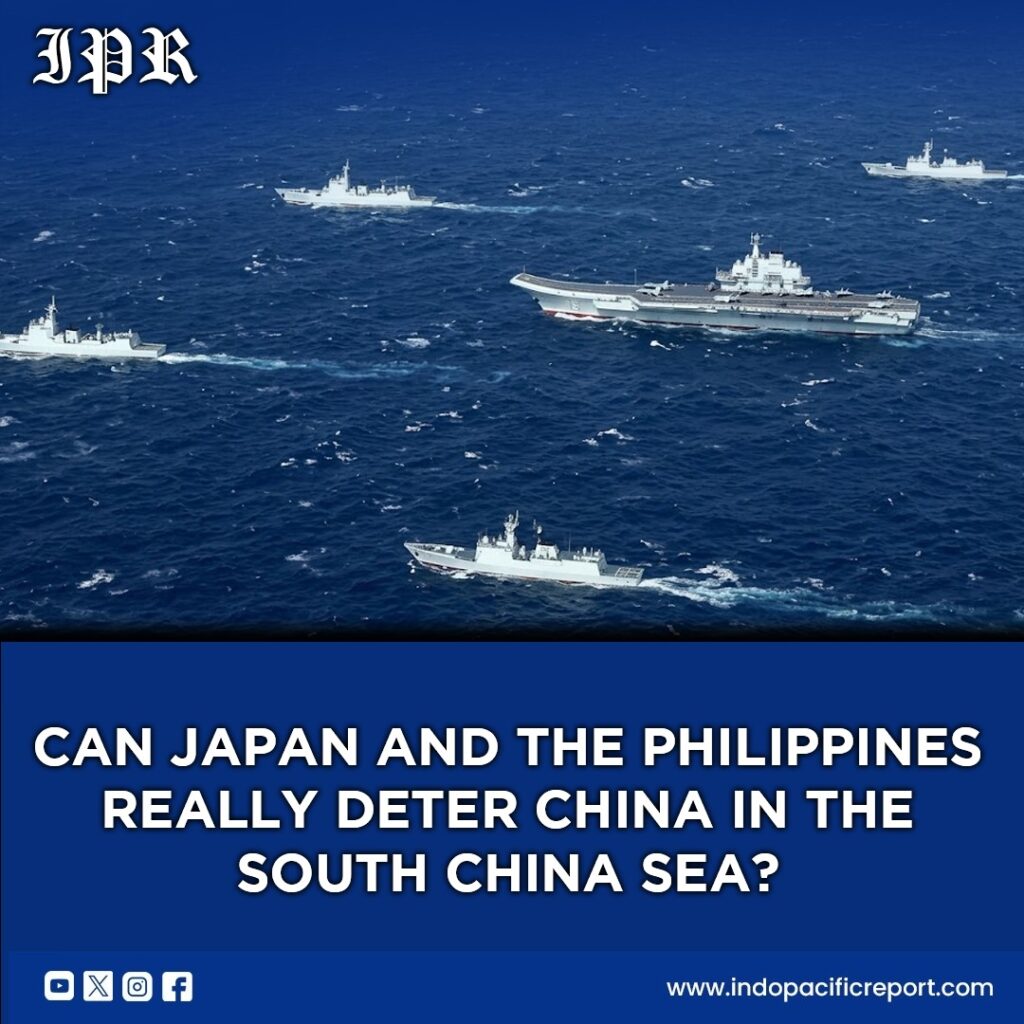
Security cooperation has entered a new phase. The Reciprocal Access Agreement (RAA) of 2024 allows Philippine and Japanese forces to conduct joint training, pre-position troops, and coordinate responses along vital maritime corridors. Japan’s strategic engagement, including trilateral exercises with the U.S. and quadrilateral initiatives with Australia, signals a collective effort to uphold maritime order and deter coercion in the West Philippine Sea and beyond. For Manila, these arrangements provide both a direct deterrent against regional aggression and a broader strategic insurance policy amid growing uncertainty in the Indo-Pacific.
Economically, Japan remains the Philippines’ largest source of official development assistance, funding critical infrastructure projects and supporting supply chain resilience. Amid the ongoing global energy crisis and volatile commodity markets, these investments are no longer just developmental—they are strategic stabilizers that enhance Manila’s capacity to maintain operational and economic continuity. By integrating defense, economic, and technological cooperation, the partnership strengthens both nations’ ability to manage disruptions that stem from great-power rivalry and regional flashpoints.
The alliance also underscores the importance of rules-based order. Former Supreme Court Justice Antonio Carpio emphasized that the future of the South China Sea depends on present-day actions to uphold UNCLOS and arbitral rulings. By partnering with Japan—a maritime nation with shared commitments to international law—the Philippines signals that even smaller regional actors can leverage alliances and multilateral frameworks to defend sovereignty and secure contested maritime spaces. This alignment demonstrates how mid-sized powers can exert strategic influence when operating in concert with like-minded partners.
Technologically and strategically, cooperation is expanding beyond traditional military domains. Japan and the Philippines are exploring space, green transformation (GX), digital transformation (DX), and AI, reflecting a forward-looking approach to future-proofing security and economic systems. These initiatives illustrate a broad concept of national power where economic resilience, technological sophistication, and defense readiness are mutually reinforcing rather than separate spheres.
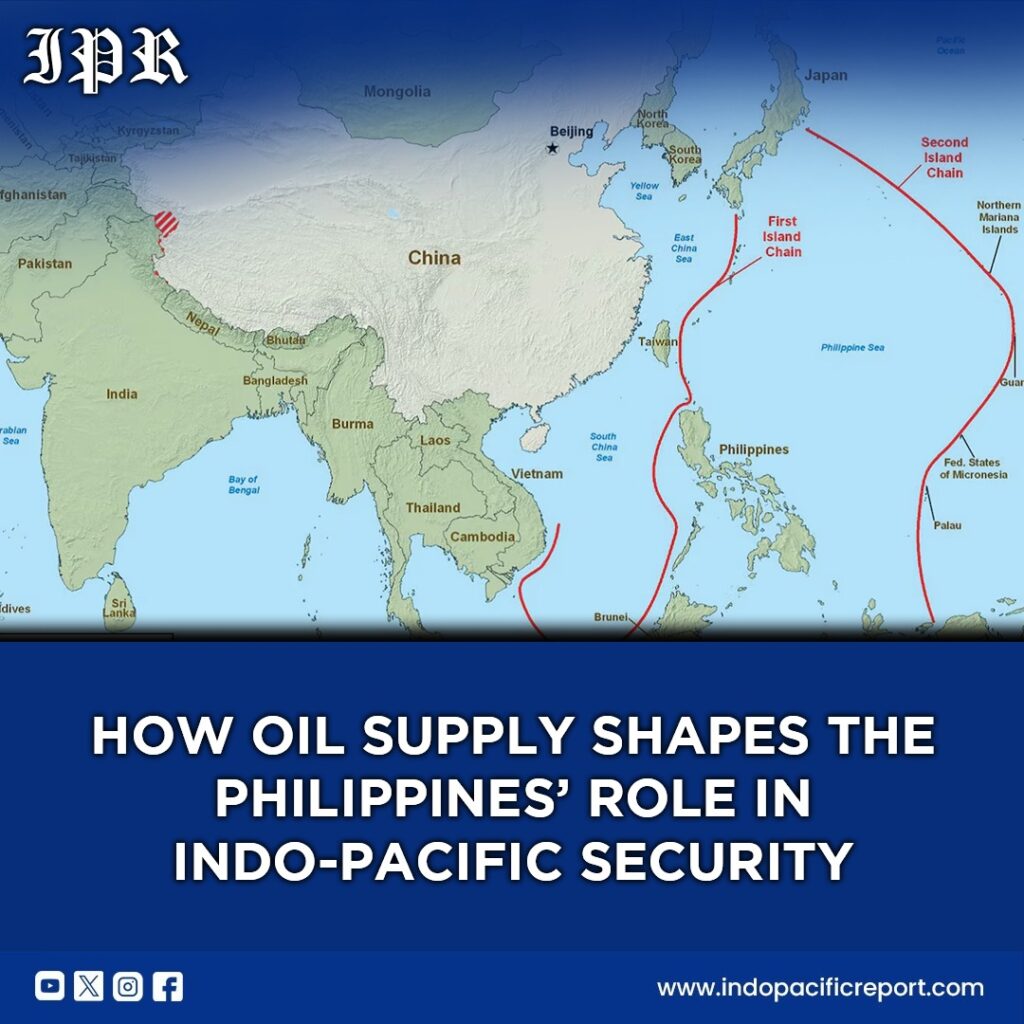
Looking forward, the Manila–Tokyo partnership will likely play a pivotal role in shaping the Indo-Pacific balance of power. As China continues to assert maritime dominance and global supply shocks disrupt smaller economies, the Philippines’ alignment with Japan—and by extension with broader U.S.-led security frameworks—provides both deterrence and strategic leverage. For regional policymakers, the message is clear: enduring partnerships, anchored in shared values, operational coordination, and technological collaboration, are the most reliable instruments to manage uncertainty.
In a region facing both maritime coercion and global energy shocks, can the Philippines rely on alliances like Japan for long-term security without compromising its strategic autonomy?