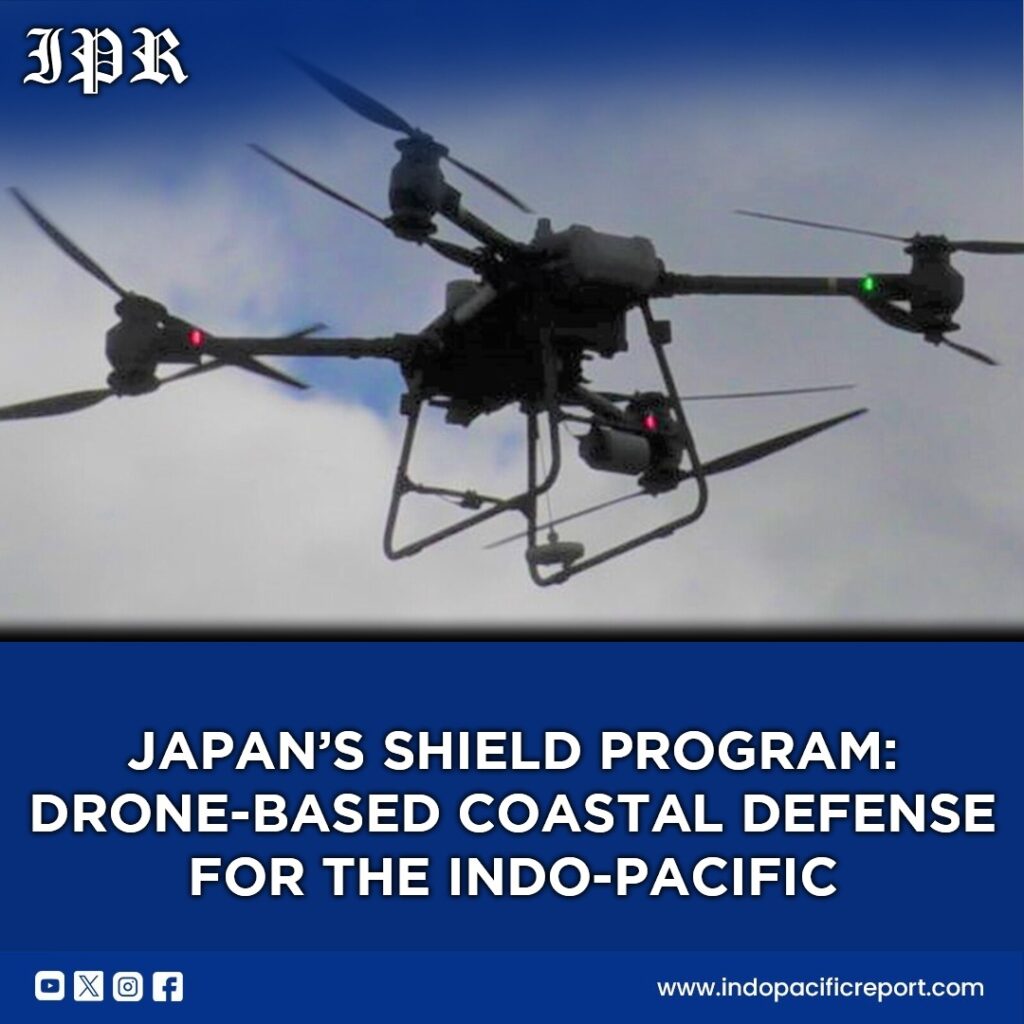
Japan is moving decisively toward unmanned layered coastal defense with the launch of its SHIELD program, backed by roughly $628.7 million in fiscal 2026. The system plans to deploy thousands of drones, spanning at least 10 distinct types for surveillance, strike, and radar protection. Its objective is to disrupt potential maritime advances, strengthen situational awareness, and create flexible response options against evolving regional threats.
The SHIELD system reflects a strategic shift in Japanese defense doctrine. For decades, Japan relied on conventional naval and air platforms to secure its waters. Today, officials acknowledge that such approaches may leave Tokyo behind in an era of rapidly evolving unmanned systems and asymmetric maritime threats. Drones, deployed in large numbers, offer persistent coverage, faster reaction times, and lower operational costs—allowing Japan to monitor and respond to incursions without overreliance on manned aircraft or large warships.
However, operationalizing a drone-centric system presents significant challenges. Communications infrastructure must be upgraded to avoid interference with civilian networks, while training programs need expansion to develop sufficient personnel capable of handling multiple drone types. Operational risks are evident: even in controlled exercises, strong winds recently caused a reconnaissance drone to crash, highlighting the fragility of large-scale unmanned operations under real-world conditions.
Japan also faces domestic production constraints. Scaling up drone manufacturing, maintenance, and upgrades is essential to meet the SHIELD program’s ambitions. Lessons from Ukraine—where millions of drones were rapidly produced and consumed in combat—underline the need for both speed and resilience in production chains. Without robust industrial foundations, the deterrence value of the SHIELD system could be limited.
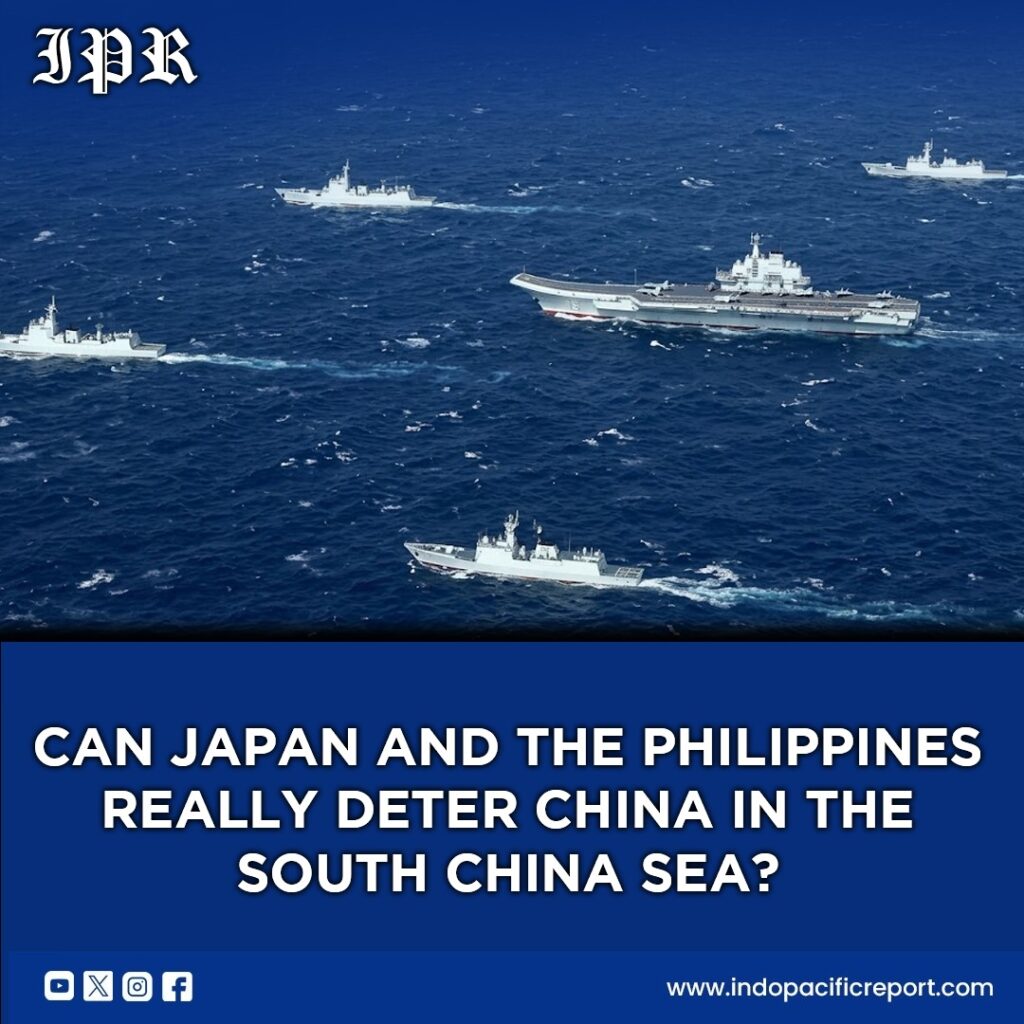
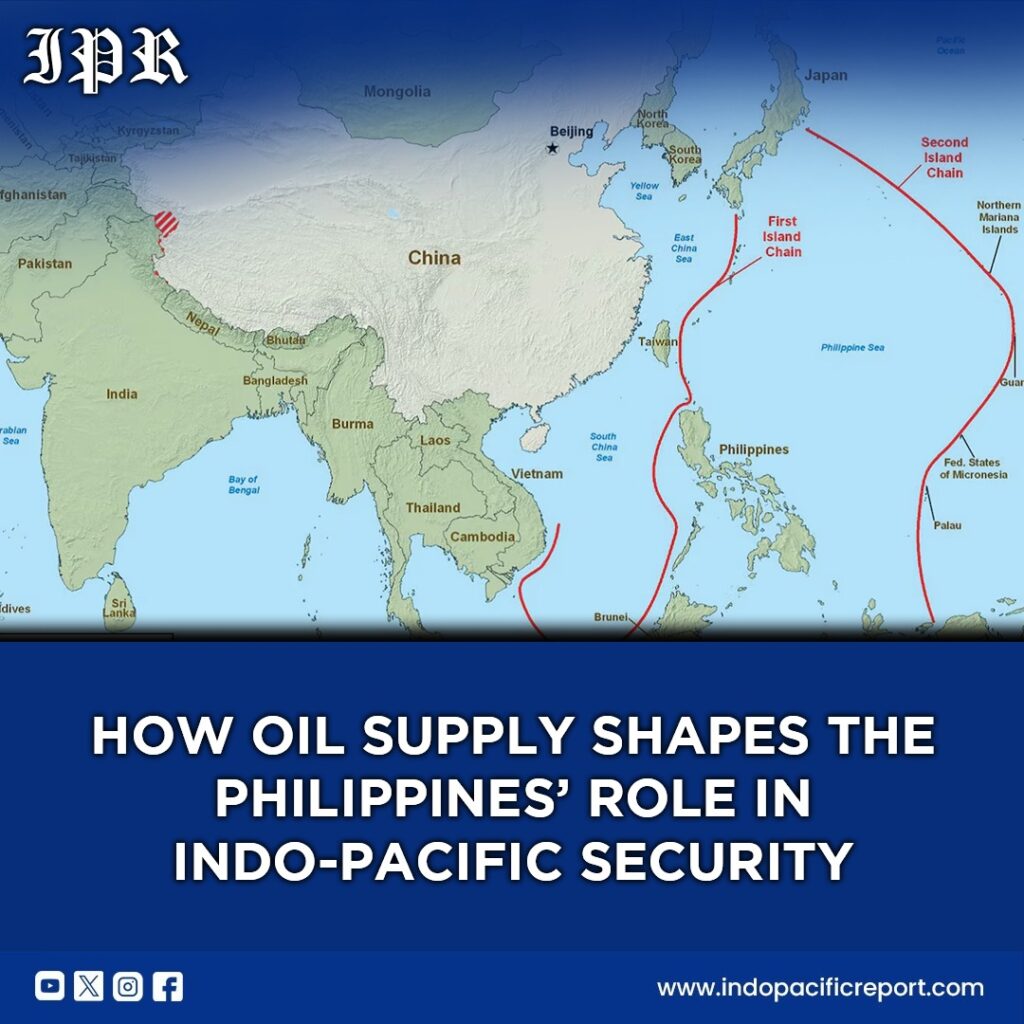
From a geostrategic perspective, SHIELD fits into broader Indo-Pacific defense trends. As China continues to expand its maritime militia, coast guard, and naval presence, Japan is investing in asymmetric tools to maintain credible deterrence over its territorial waters. The program also complements U.S.-Japan and regional trilateral alliances, enhancing interoperability with allied forces while demonstrating Japan’s commitment to defending the rules-based maritime order.
Looking forward, SHIELD could reshape the regional balance of power in coastal defense. If successful, it may serve as a model for other Indo-Pacific nations facing similar maritime pressures, prompting a shift toward unmanned, scalable deterrence architectures. At the same time, large-scale drone deployment may raise new escalation risks, as adversaries may perceive dense drone networks as a direct threat to their freedom of maneuver in contested waters.
Will Japan’s shift to drone-based coastal defense strengthen deterrence, or could it accelerate an unmanned arms race in the Indo-Pacific?