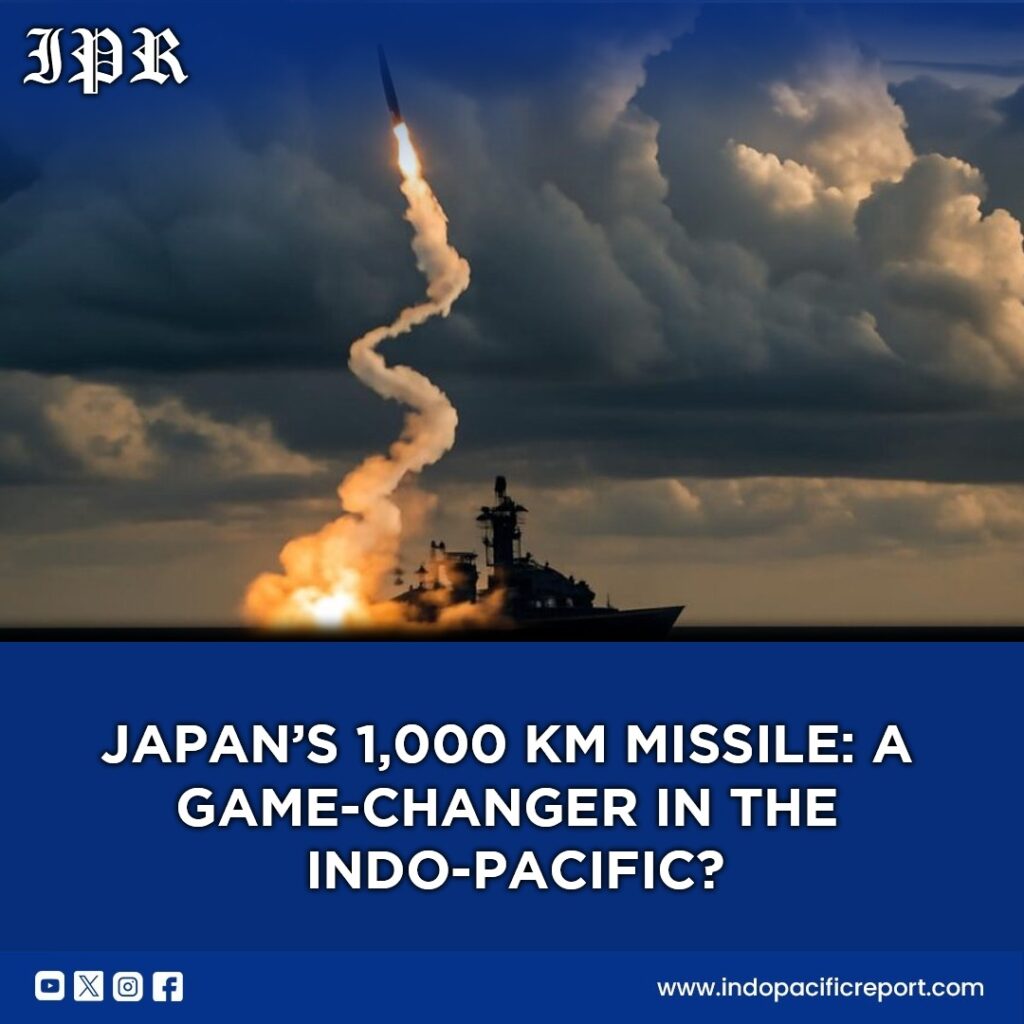
Japan’s deployment of upgraded Type-12 missiles is more than a technical upgrade—it marks a shift in the strategic landscape of the Indo-Pacific. With its range now extended from 200 km to 1,000 km, these missiles can target both coastal and inland areas, making Japan a more active player in regional deterrence. China has called this a “kill network,” signaling Beijing’s concern over Japan’s growing strike capabilities and their potential reach.
From the lens of great-power competition, this move fits into the broader cycle of balancing between Tokyo and Beijing. China has spent decades building anti-access/area-denial (A2/AD) systems to keep the U.S. and allies at a distance. Japan’s long-range missiles complicate those plans, creating new layers of risk for China and signaling that Tokyo is willing to take on a more assertive defensive posture.
In terms of regional security architecture, Japan is quietly transforming its military posture. Post-war limits on Japan’s military have been loosening, and these long-range weapons show a shift from purely defensive strategies to layered deterrence. By placing these missiles in southwestern Japan at Camp Kengun, Tokyo can influence both maritime zones and critical inland targets, strengthening its strategic depth.
Alliance dynamics are central to this development. The U.S.-Japan alliance is increasingly pushing Tokyo to share more of the regional security burden. These Type-12 upgrades fit within a broader allied framework of distributed deterrence, where Japan and the U.S. can coordinate strikes across multiple domains. From Beijing’s perspective, this creates a more cohesive and capable network of allied forces, raising the cost of any aggressive action.
Maritime strategy remains a core driver. Japan’s economic survival depends on secure sea lanes. With longer-range missiles, Japan can deny access to adversaries in key waterways like the East China Sea and around the Ryukyu islands. At the same time, this adds complexity and tension to regional maritime operations, raising the stakes for both China and Japan.
Finally, the Indo-Pacific balance of power is slowly shifting. Long-range precision strike capabilities compress strategic space, making the distinction between frontline and rear areas less clear. While this strengthens deterrence, it also raises the risk of miscalculation in crises. Japan’s move is a signal to the region: deterrence is becoming more sophisticated, but so is the potential for escalation.
Forward-looking: Japan’s missile deployment is likely the first step in a broader regional modernization trend. Countries across the Indo-Pacific are watching closely, and more long-range strike capabilities may emerge. For Beijing, this intensifies the sense of encirclement. For the U.S. and its allies, it strengthens the ability to deter China—but managing this growing risk will require careful diplomacy and strategic patience.
With Japan’s new long-range missiles, is the Indo-Pacific moving toward stronger deterrence or a higher risk of accidental conflict?