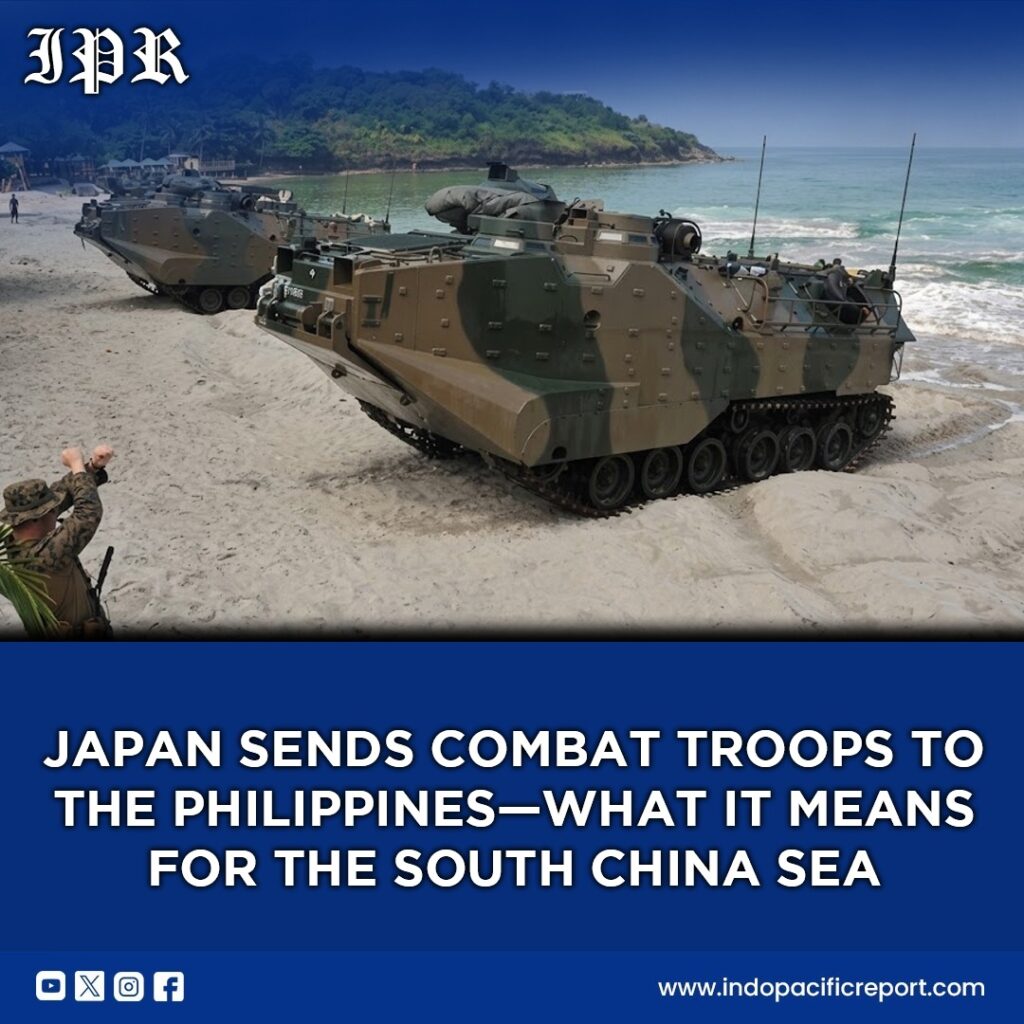
Japan’s decision to send combat troops to the Philippines for the 2026 Balikatan exercises marks a major step in regional security cooperation. In past years, Japan primarily contributed trainers for humanitarian assistance and disaster relief. This year, however, Tokyo is shifting to a direct military role, reflecting rising tensions in the West Philippine Sea and growing defense ties with Manila. The move signals a new level of operational readiness and shared responsibility for maintaining a rules-based order in the Indo-Pacific.
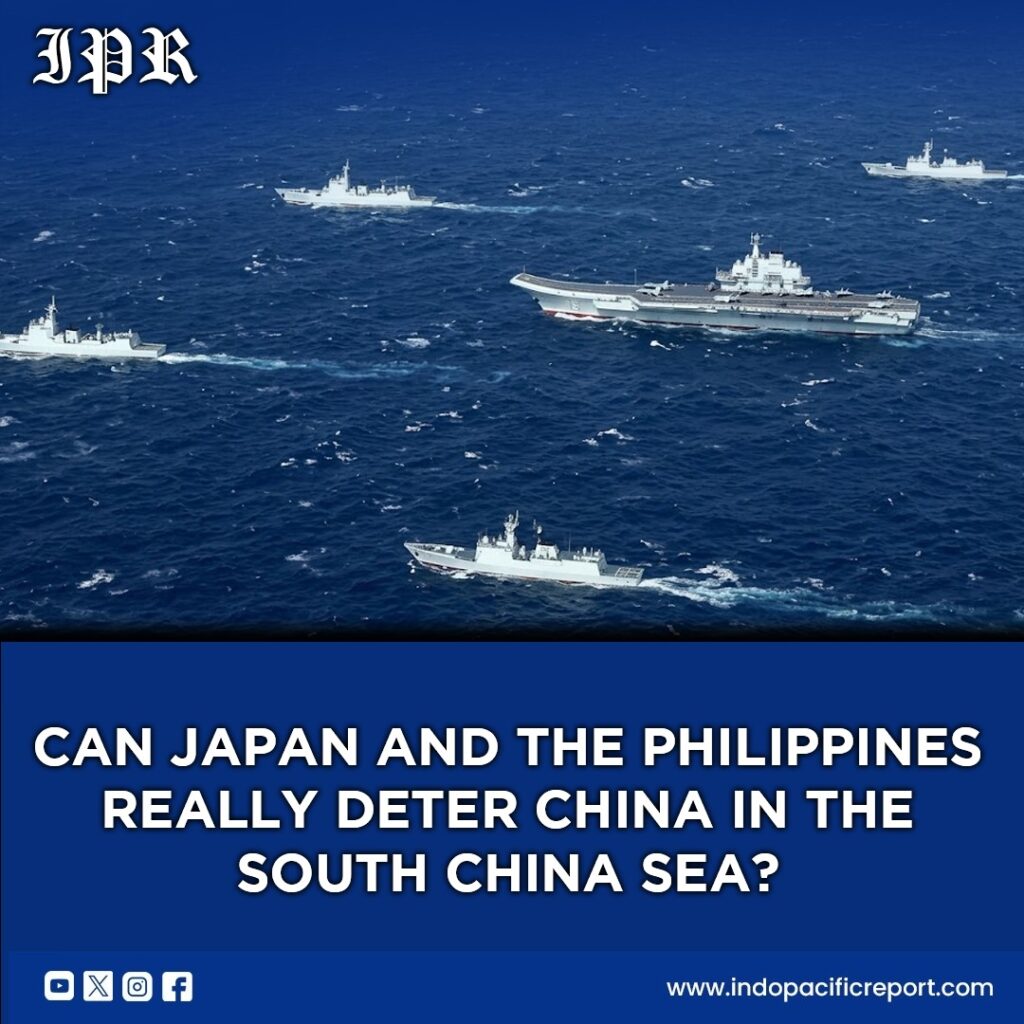
From the perspective of great-power competition, this deployment shows that regional actors are actively countering China’s assertive behavior in the South China Sea. Beijing’s maritime activities and territorial claims continue to challenge freedom of navigation and regional norms. Japan’s combat role, alongside U.S.-Philippine coordination, sends a strong deterrent signal: regional powers can act together to enforce rules, reducing the risk of coercion without provoking unnecessary escalation.
The development also highlights gaps in regional security architecture. ASEAN and other multilateral frameworks have limited ability to prevent unilateral actions by stronger powers. In this context, bilateral and trilateral partnerships are becoming the backbone of practical security. By integrating Japan into combat exercises, Balikatan is evolving from a training event into a strategic platform that strengthens collective capacity to respond to maritime threats.
Alliance dynamics are equally important. Japan’s participation enhances operational interoperability with the Philippines and the United States. For Manila, Tokyo’s combat presence provides a credible deterrent and political leverage in negotiations over disputed waters. For Washington, Japan’s involvement strengthens regional defense without requiring more U.S. troops, amplifying deterrence through coalition action rather than unilateral deployment.
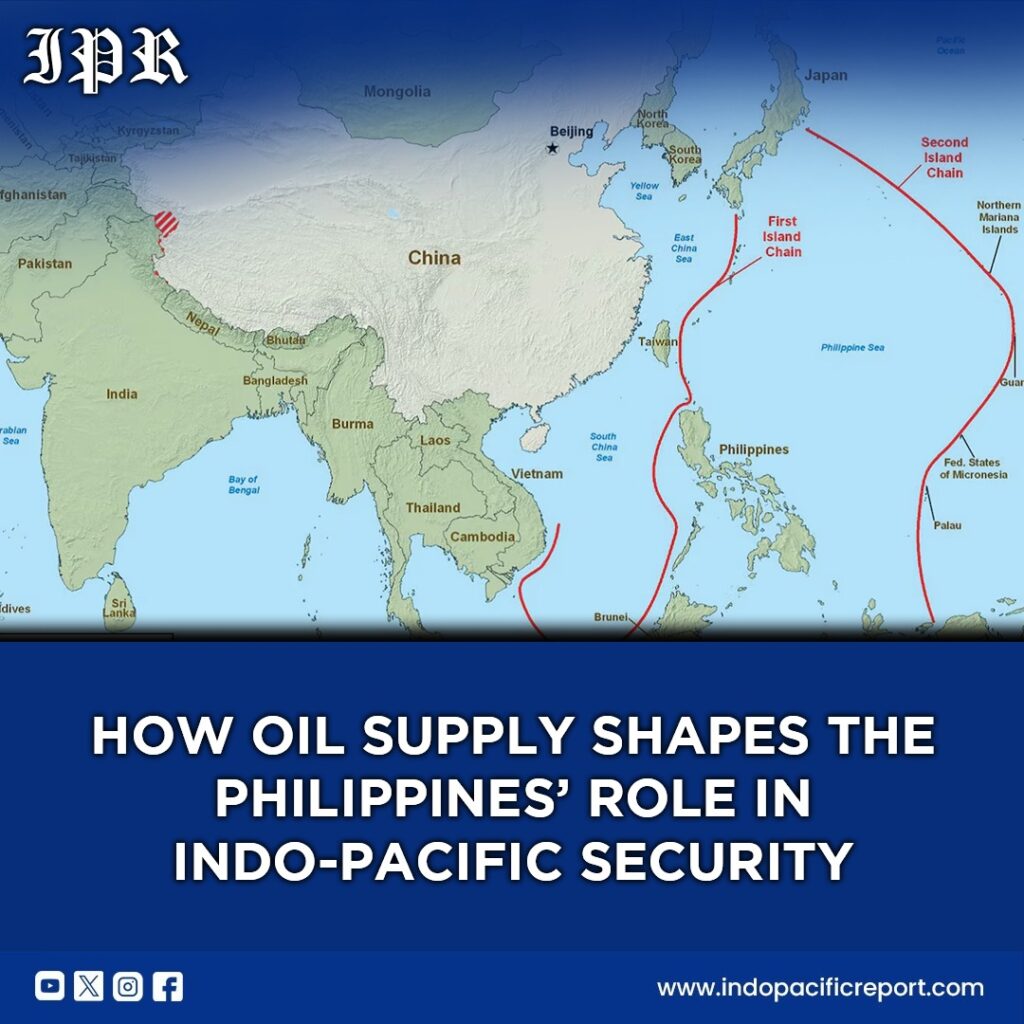
From a maritime strategy and economic security lens, Balikatan 2026 matters for the protection of key sea lanes. The West Philippine Sea is critical for global trade, fisheries, and energy flows. Combat-ready exercises allow Manila and Tokyo to plan for rapid-response scenarios while signaling to regional actors and commercial stakeholders that navigation and maritime rights are actively defended.
Looking ahead, Balikatan 2026 represents a shift toward practical deterrence in the Indo-Pacific. It demonstrates that alliances are moving beyond symbolic partnerships to operational readiness. Exercises like these balance diplomacy with credible defense, showing that regional stability requires both dialogue and the visible capacity to enforce norms. For policymakers and strategic planners, this year’s Balikatan is a clear indicator of how the Indo-Pacific balance of power is evolving in real time.
Will Japan’s combat deployment strengthen deterrence in the West Philippine Sea, or could it increase tensions with China?