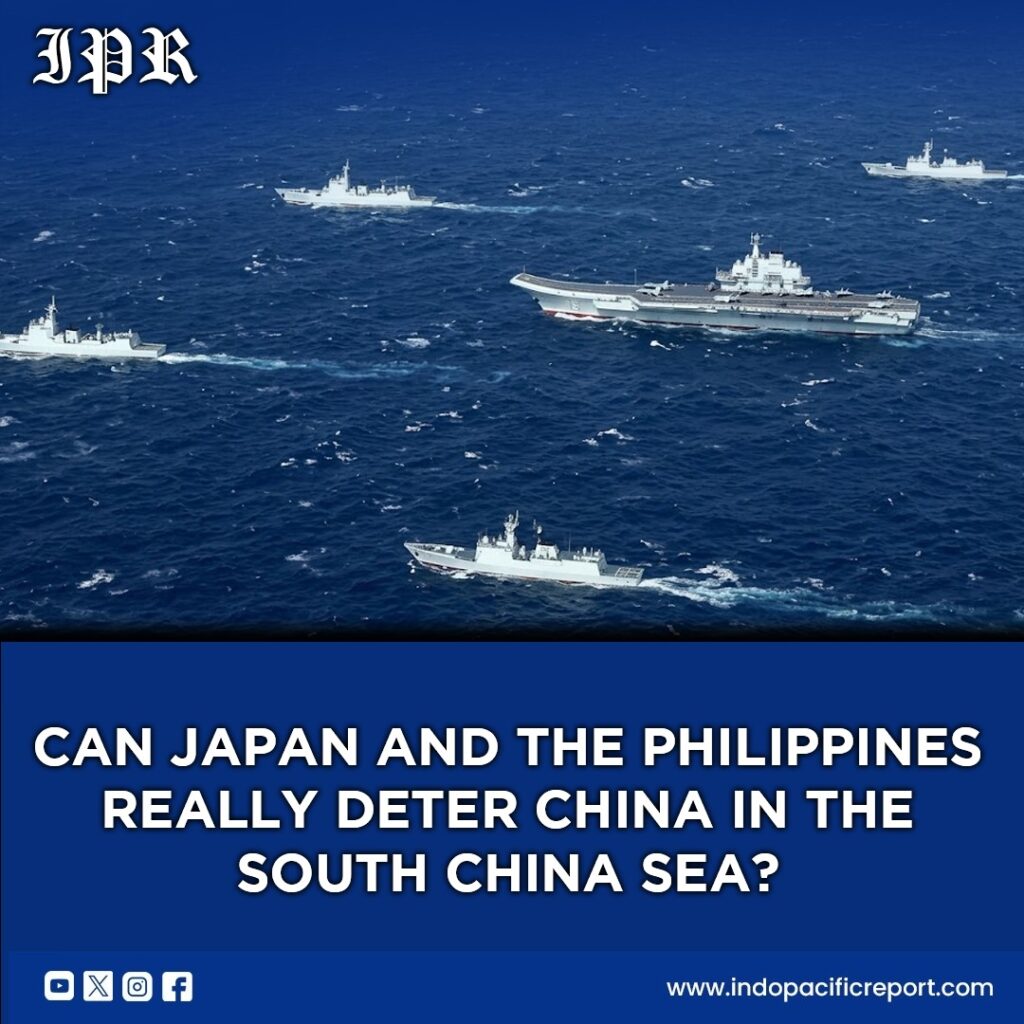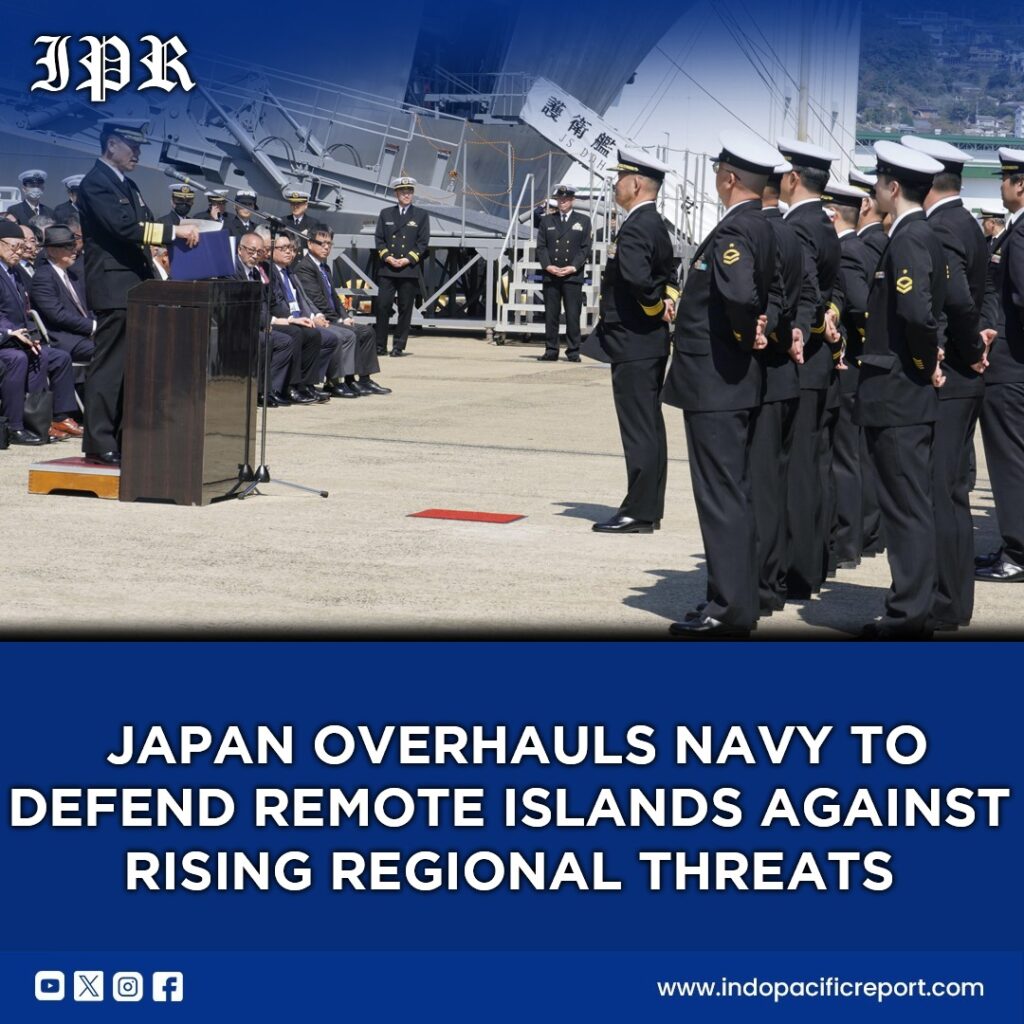
Japan’s Maritime Self-Defense Force (MSDF) has undertaken a major organizational overhaul to speed decision-making and improve operational effectiveness, reflecting growing concern over China’s assertive posture in regional waters. On March 23, 2026, the MSDF launched the Fleet Surface Force, a centralized command structure for surface vessels, integrating units previously under the 60-year-old Fleet Escort Force and the Mine Warfare Force.
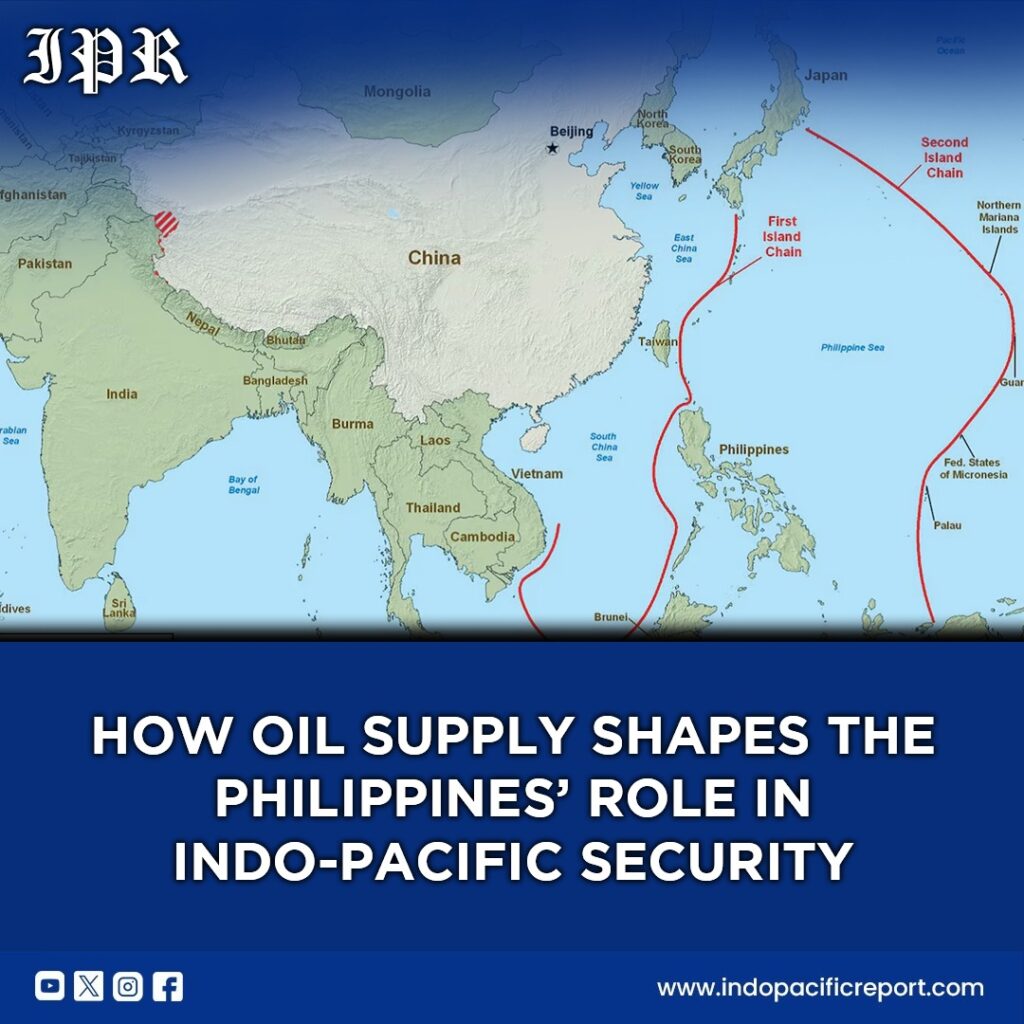
A key element of this restructure is the new Amphibious and Mine Warfare Group, based in Sasebo, Nagasaki Prefecture. This unit is designed to operate closely with the Ground Self-Defense Force’s amphibious fighting unit, also stationed in Sasebo. Together, they aim to secure Japan’s Nansei island chain, a strategic line of islands extending southwest from Kyushu toward Taiwan. The MSDF amphibious group will transport troops and vehicles, conduct mine-clearing operations, and support rapid response missions across Japan’s southwestern maritime approaches.
This initiative represents a broader shift in Japanese maritime strategy from static defense to flexible, multi-domain operations. By consolidating command and control and linking amphibious and mine warfare capabilities, Japan can respond faster to potential incursions, strengthen deterrence, and maintain control over critical maritime chokepoints near the East China Sea and the Philippine Sea.
The MSDF’s move highlights Japan’s recognition that island defense is no longer a routine naval mission. With the increasing use of anti-access/area denial (A2/AD) systems and maritime militia by China, centralized command and amphibious mobility are critical to preserving operational freedom and ensuring credible deterrence in contested waters.
Strategically, this restructure aligns with Japan’s broader Indo-Pacific security posture, complementing drone-based coastal defense programs like SHIELD and trilateral cooperation with the United States and regional partners. It signals Japan’s intent to project defensive depth across remote islands while enhancing joint operations between sea and ground forces, a model that could influence other maritime powers facing similar territorial challenges.
Looking ahead, the success of this organizational shift will depend on training, interoperability, and resource management. The MSDF will need to maintain readiness across dispersed island chains while integrating emerging technologies such as unmanned systems and advanced surveillance networks. How effectively Japan can operationalize these reforms will shape the regional balance of power and the credibility of its deterrent posture in the Western Pacific.
Can Japan’s new amphibious and mine warfare structure effectively deter Chinese incursions, or will it trigger a regional arms competition in island defense?