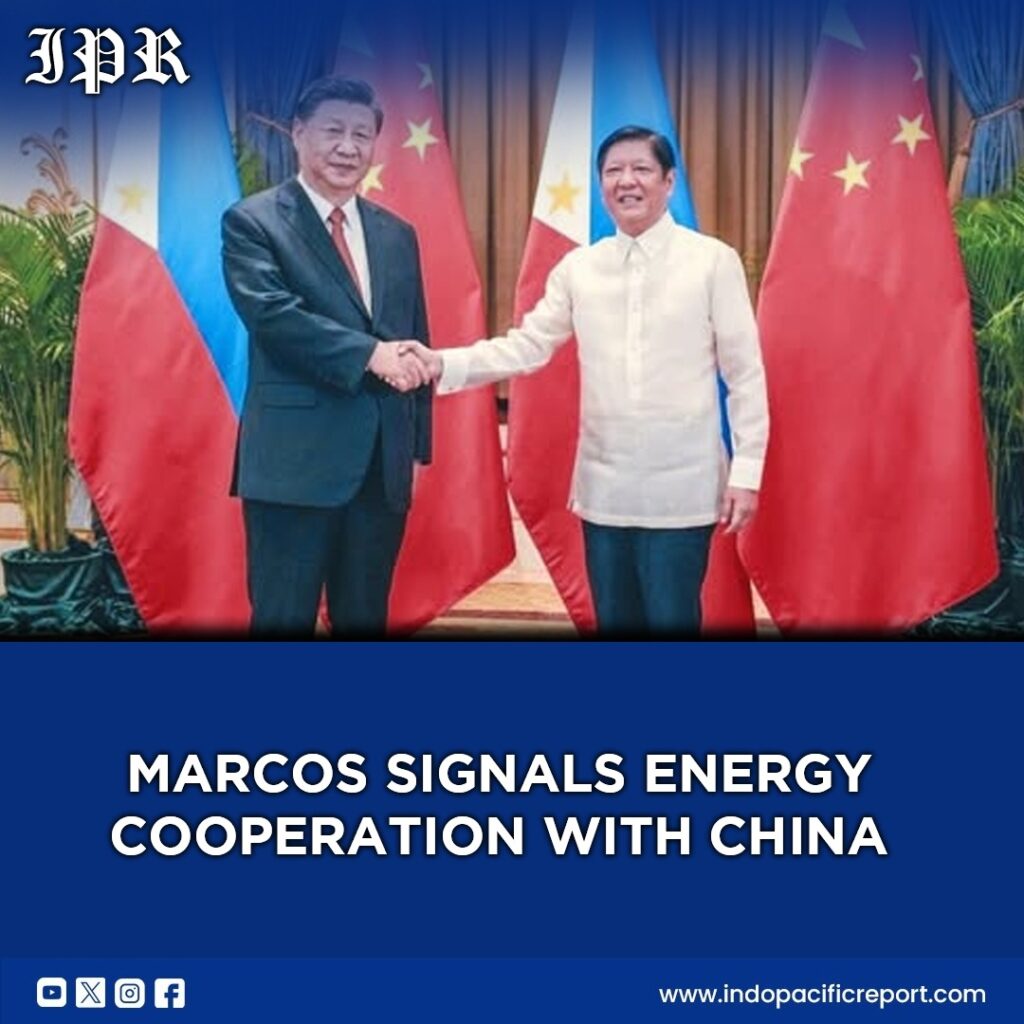
President Ferdinand Marcos Jr. has publicly signaled that the global oil and energy crisis, triggered by the ongoing US-Israel offensive in Iran, could serve as an “impetus” for joint gas development between the Philippines and China in the South China Sea. For Manila, this marks a rare, explicit pivot toward exploring bilateral energy cooperation with Beijing, even amid ongoing territorial disputes in the West Philippine Sea.
This development underscores a key principle of resource-driven geopolitics: energy security can reshape strategic calculations. The Philippines’ vulnerability to Middle Eastern oil supply shocks has exposed both its economic fragility and the limits of relying solely on global markets. Marcos’ proposal signals that Manila may now consider leveraging energy pragmatism to reduce domestic risk while potentially recalibrating its regional diplomacy.
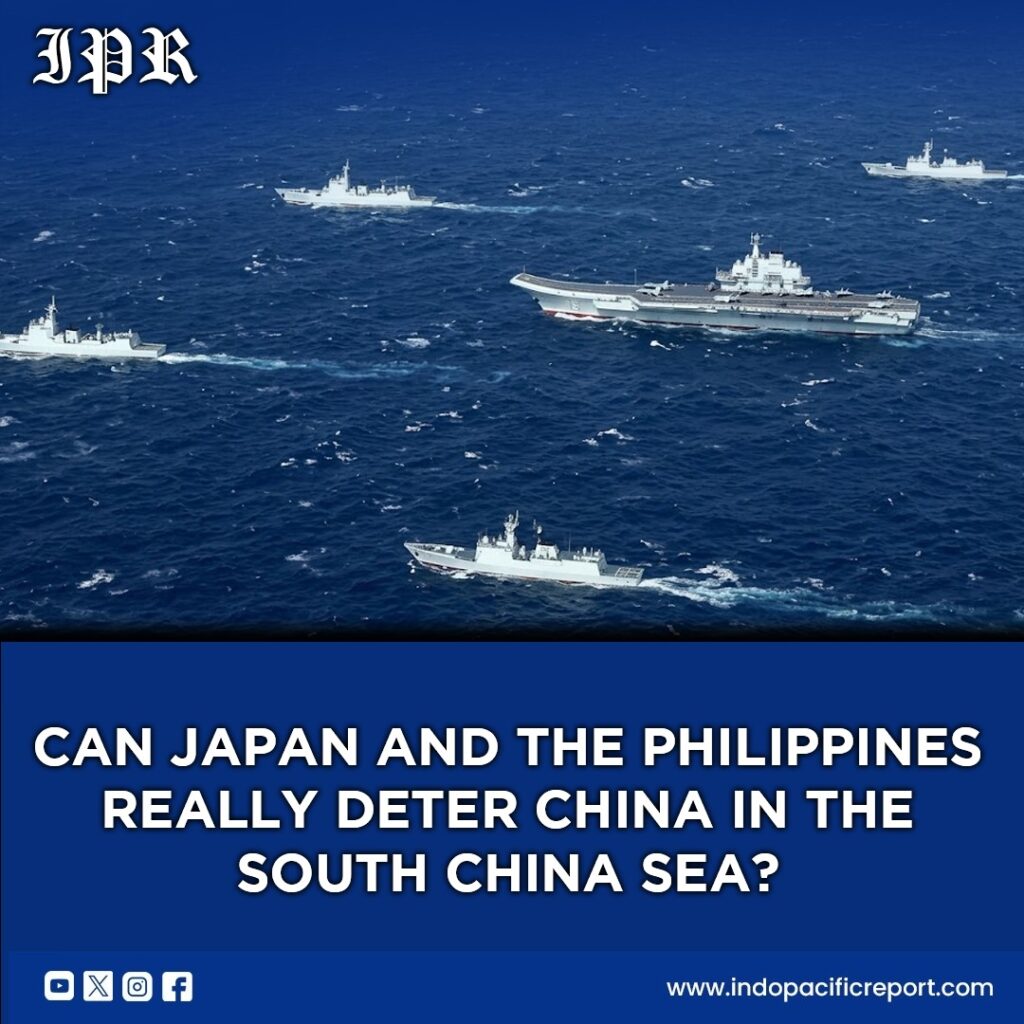
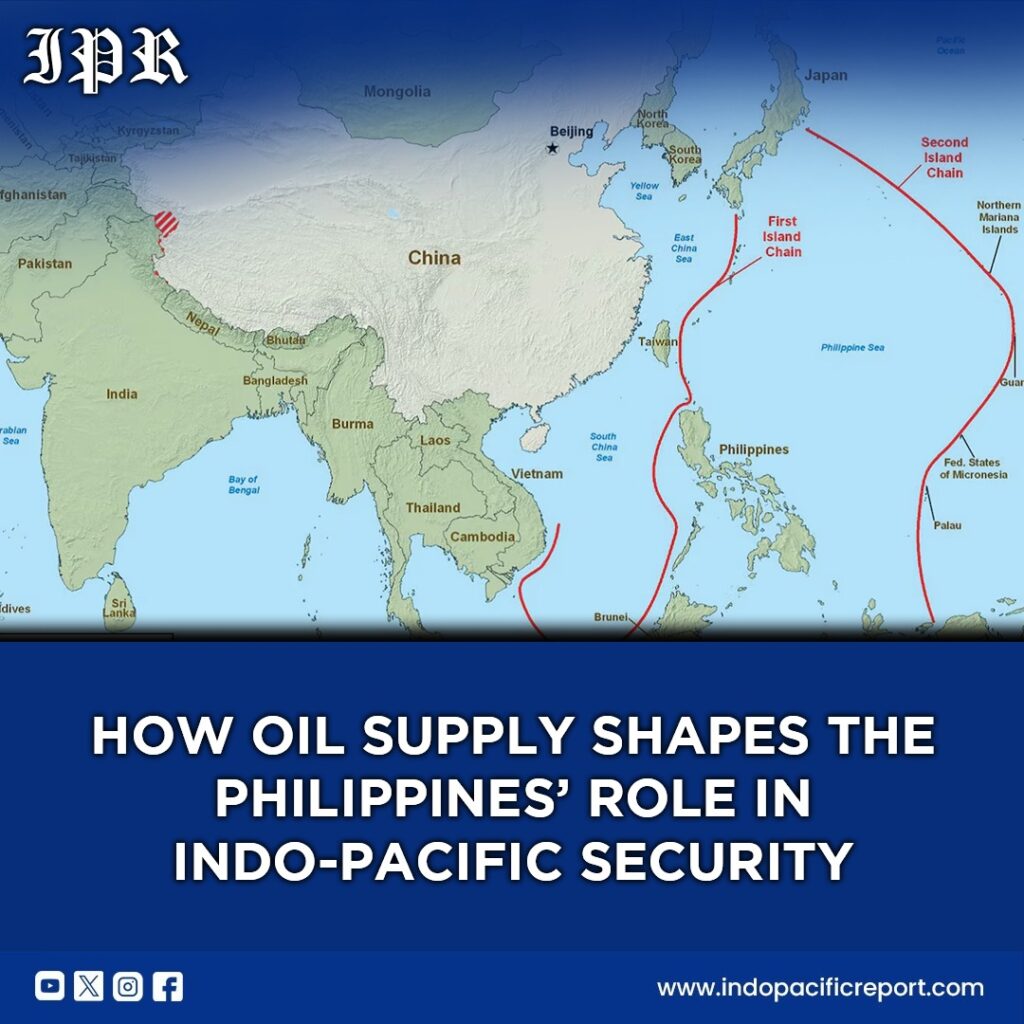
From a great-power competition lens, the proposal is a subtle but significant step in Sino-Philippine engagement. China claims nearly the entire South China Sea, while the Philippines asserts sovereign rights within its exclusive economic zone. Historically, these disputes have been a flashpoint for US-Philippine security commitments. Marcos’ overture suggests Manila is exploring ways to balance energy needs with territorial sovereignty, potentially softening tensions without abandoning its alliance commitments to Washington.
The move also has implications for the regional security architecture. Joint energy development could act as a confidence-building measure, introducing a pragmatic framework for coexistence in contested waters. If successful, such an arrangement may serve as a model for other ASEAN claimants, blending resource collaboration with dispute management. However, this approach carries risks: misperceptions by other claimants or external powers, particularly the US and Japan, could be read as a tilt toward China, complicating broader Indo-Pacific alliances.
From a maritime and economic strategy perspective, tapping South China Sea gas reserves could provide the Philippines with strategic energy autonomy, diversify its energy mix, and shield the economy from Middle East shocks. It would also create incentives for stronger maritime governance and infrastructure in disputed areas, reinforcing the Philippines’ operational presence while maintaining legal claims. Yet, careful negotiation will be needed to avoid undermining territorial entitlements or the rules-based maritime order that ASEAN and extra-regional powers support.
In the broader Indo-Pacific balance of power, this initiative could signal a more nuanced Philippine strategy: leveraging energy interdependence to maintain sovereignty while avoiding escalation. Manila’s dual approach—assertive claims in the West Philippine Sea and potential energy cooperation with China—reflects a pragmatic recognition of the region’s intertwined security, economic, and energy dynamics. Success could enhance the Philippines’ bargaining power in multilateral settings, including ASEAN-led discussions on a Code of Conduct in the South China Sea.
Forward-looking: The Marcos administration faces a delicate balancing act. Energy needs, domestic economic pressures, and alliance commitments to the United States all intersect with sovereignty concerns in the West Philippine Sea. Moving forward, Manila will need clear legal frameworks, robust diplomatic engagement, and strategic communication to ensure any joint energy venture strengthens, rather than compromises, its national and regional position.
Should the Philippines prioritize urgent energy security through cooperation with China, even if it risks appearing to compromise its territorial claims, or maintain a strictly assertive stance in the South China Sea at the potential cost of energy vulnerability?