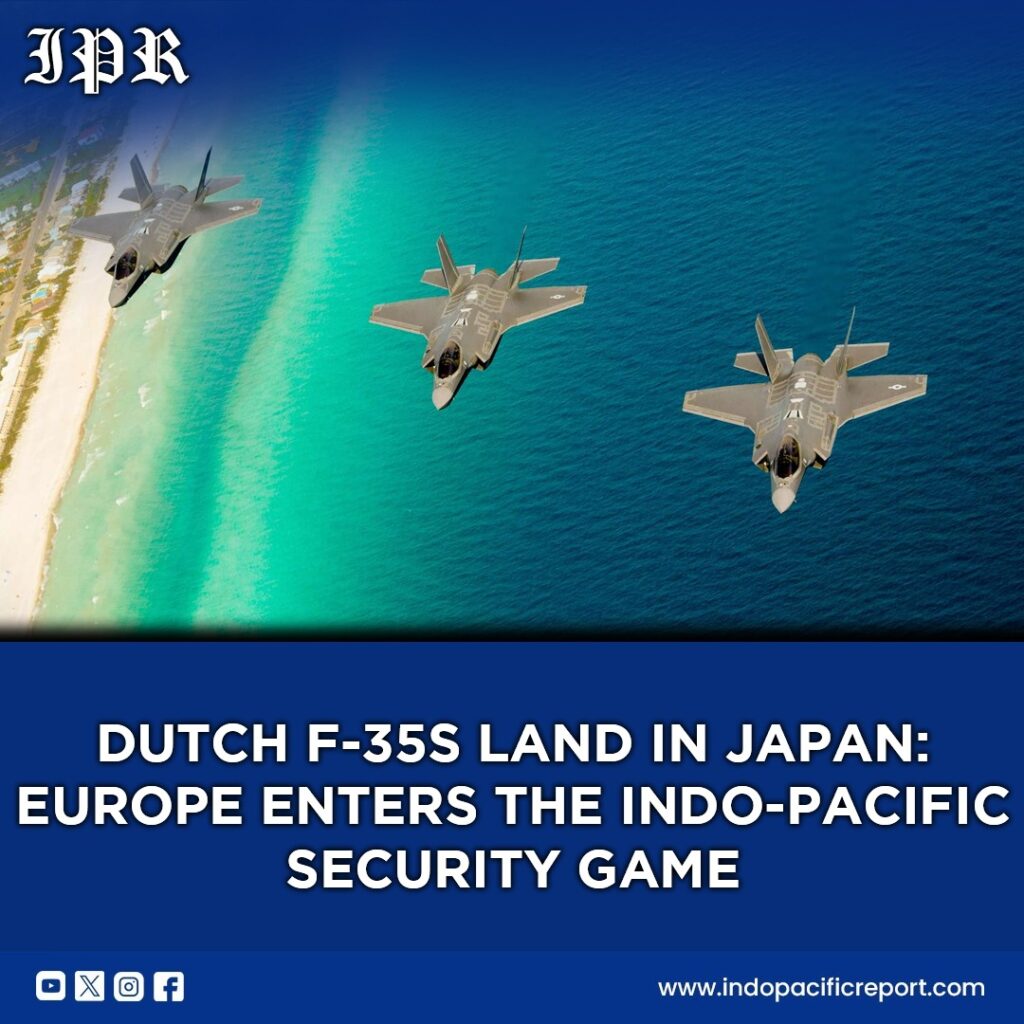
The arrival of Dutch F-35 fighters at Misawa Air Base marks a new chapter in global defense collaboration. For the first time, Europe is directly training with Japanese and U.S. forces in the Indo-Pacific. Named Kazaguruma Guardian, the exercise focuses on improving interoperability—the ability of allied air forces to operate seamlessly together. This is not just a training mission; it is a strategic signal.
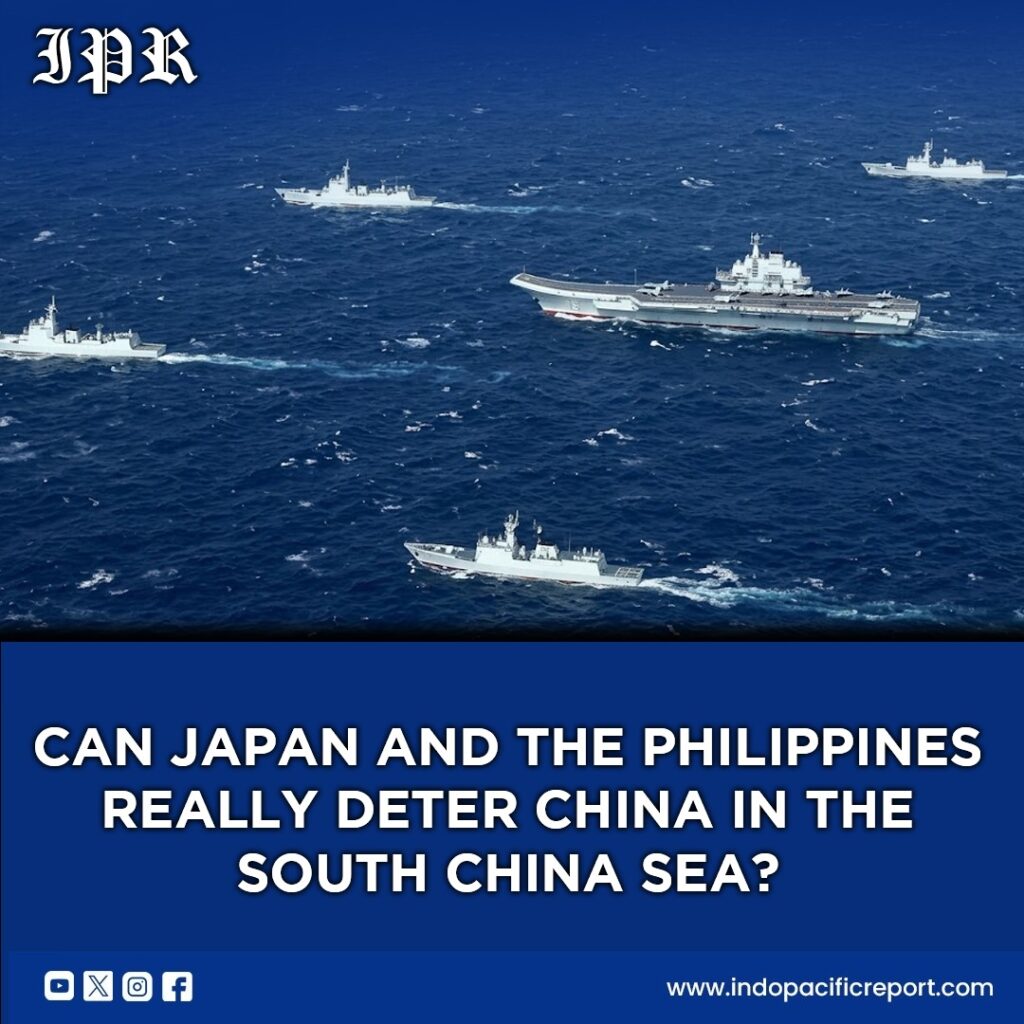
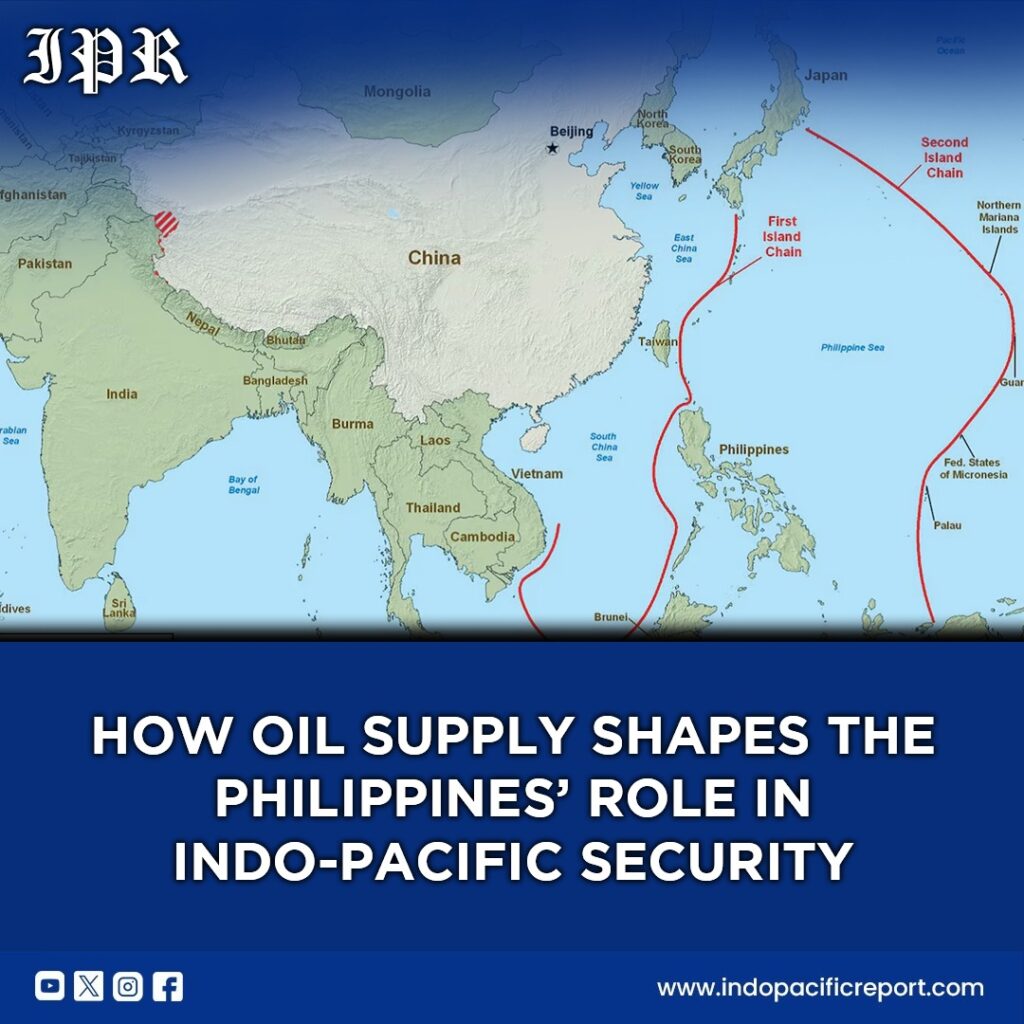
From the perspective of great-power competition, the deployment reflects growing concern about China’s assertiveness in the region. European involvement signals that Indo-Pacific security is no longer only a U.S.-Asian responsibility. By operating alongside Japan, the Netherlands contributes to a multinational deterrent posture that complicates Beijing’s strategic calculations.
Alliance dynamics are central to the exercise. Coordinating F-35s and F-16s across three countries demands shared logistics, communication, and operational planning. This ensures that in a real crisis—whether over the Taiwan Strait or the South China Sea—the allied response is both fast and effective. Such exercises also strengthen trust and cohesion, key ingredients in sustaining long-term regional security.
On maritime and air strategy, Kazaguruma Guardian demonstrates the value of long-range air projection. The Dutch deployment includes an A330 tanker, highlighting the importance of fuel and logistics planning for sustained operations. This enables allied aircraft to operate across vast distances and protect critical sea lines of communication, even in areas under heavy surveillance or missile threat.
The exercise has broader implications for the Indo-Pacific balance of power. It shows that deterrence is increasingly networked. Regional conflicts could trigger responses from a coalition that spans Asia and Europe. This signals to potential adversaries that the rules-based order is backed not just by regional powers but by global alliances with advanced capabilities.
Looking forward, these exercises are both deterrent and rehearsal. They build operational readiness while sending a clear strategic message: the Indo-Pacific is now a theater where global powers are prepared to act collectively. The presence of European forces, even in a limited exercise, reinforces the message that coercion in the region will face a coordinated, capable, and persistent response.If Europe begins regular deployments in the Indo-Pacific, will it strengthen deterrence or risk escalating tensions with China?