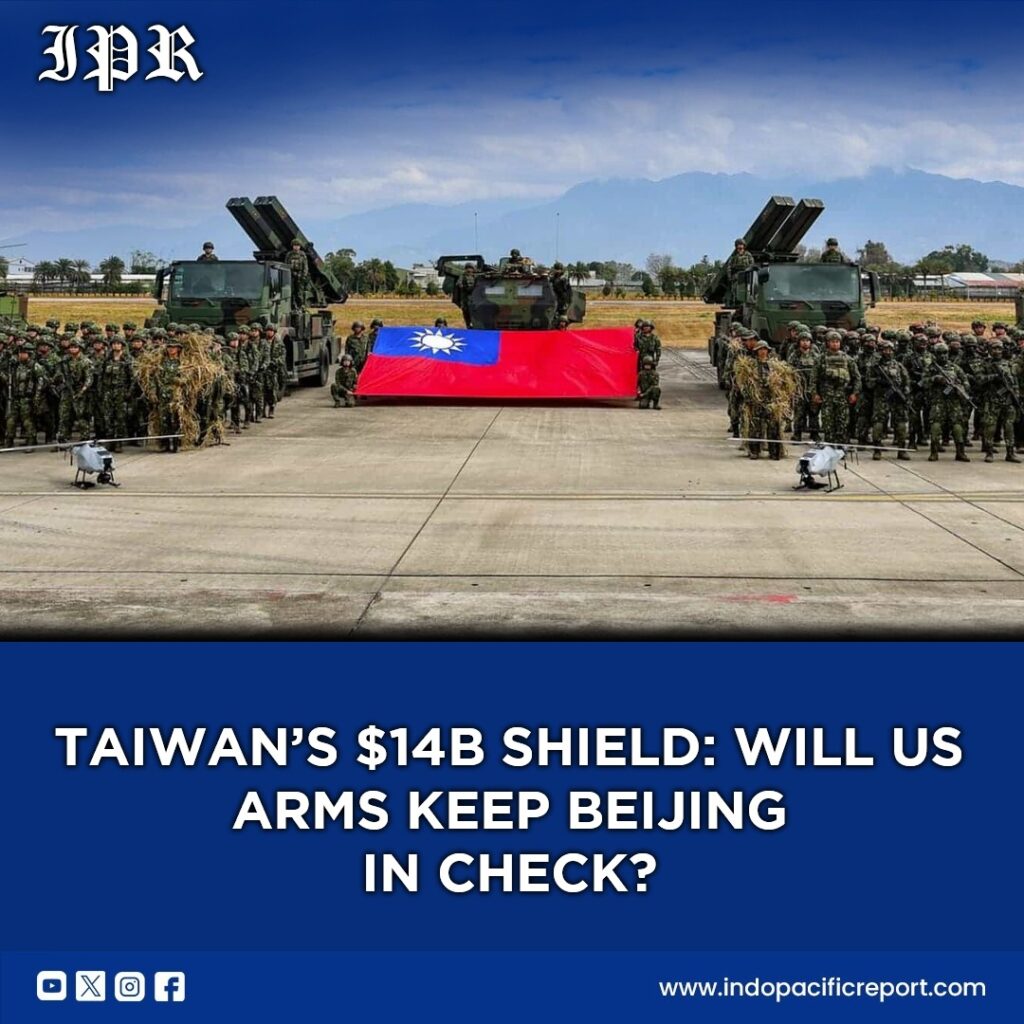
The potential postponement of the Trump-Xi summit has sparked questions about the timing and certainty of a landmark US arms sale to Taiwan. Taipei officials insist that the $14 billion package—possibly the largest in history—is ready for approval. The sale is expected to include advanced air defense systems, notably Patriot PAC-3 missiles and NASAMS, alongside $6 billion in asymmetric capabilities designed to enhance Taiwan’s survivability against a larger adversary.
From a great-power competition lens, this arms package is more than a transaction—it is a signal. The United States is signaling its ongoing commitment to Taiwan’s defense amid heightened tensions in the Taiwan Strait. Even a temporary delay in high-level US-China engagement demonstrates the fragility of diplomatic mechanisms in managing regional security and highlights the strategic leverage arms sales hold in deterring coercion.
In terms of regional security architecture, this deal underscores the US strategy of layered defense in the Indo-Pacific. Advanced missile systems strengthen Taiwan’s anti-access/area denial (A2/AD) capabilities, complementing asymmetric forces like drones, coastal defense missiles, and cyber resilience measures. By enhancing Taiwan’s self-defense capacity, Washington reinforces a broader security framework designed to maintain balance without committing large numbers of forward-deployed US combat forces.
Alliance dynamics are also at play. The timing of arms transfers is closely watched by Tokyo, Canberra, and other US partners. A smooth delivery reinforces credibility of US commitments, reassuring regional allies that America’s defense guarantees are not merely rhetorical. Conversely, delays could erode confidence and prompt accelerated indigenous military programs or new trilateral security arrangements.
From a maritime and economic strategy perspective, Taiwan’s strengthened air defenses serve as a stabilizer for sea lanes critical to global trade. The Taiwan Strait is a choke point for commercial shipping, connecting East Asian manufacturing hubs to global markets. Effective deterrence reduces the likelihood of coercion or blockade, protecting supply chains that are vital not only to Taiwan but to regional and global economic stability.
The Indo-Pacific balance of power is directly affected by the timing and execution of these arms sales. If approved and delivered as planned, Taiwan’s defensive posture is significantly enhanced, complicating any potential Chinese military planning. If delayed, Beijing may interpret the hiatus as a diplomatic or operational opening, potentially increasing pressure in the Strait or testing Taiwan’s defensive resolve.
Looking forward, the intersection of high-level diplomacy and arms sales illustrates a persistent challenge: managing escalation while ensuring credible deterrence. Taiwan must integrate advanced systems quickly, while the US must balance diplomatic engagement with strategic assurance. In this context, even brief delays in summits or approvals carry broader geopolitical implications.
Discussion Question: How should the US balance high-level engagement with China while ensuring Taiwan receives the defensive capabilities it needs in time?
Hashtags:
#TaiwanDefense #USArmsSales #IndoPacificSecurity #ChinaTaiwanTensions #PatriotMissiles #NASAMS #StrategicDeterrence #TaiwanStrait