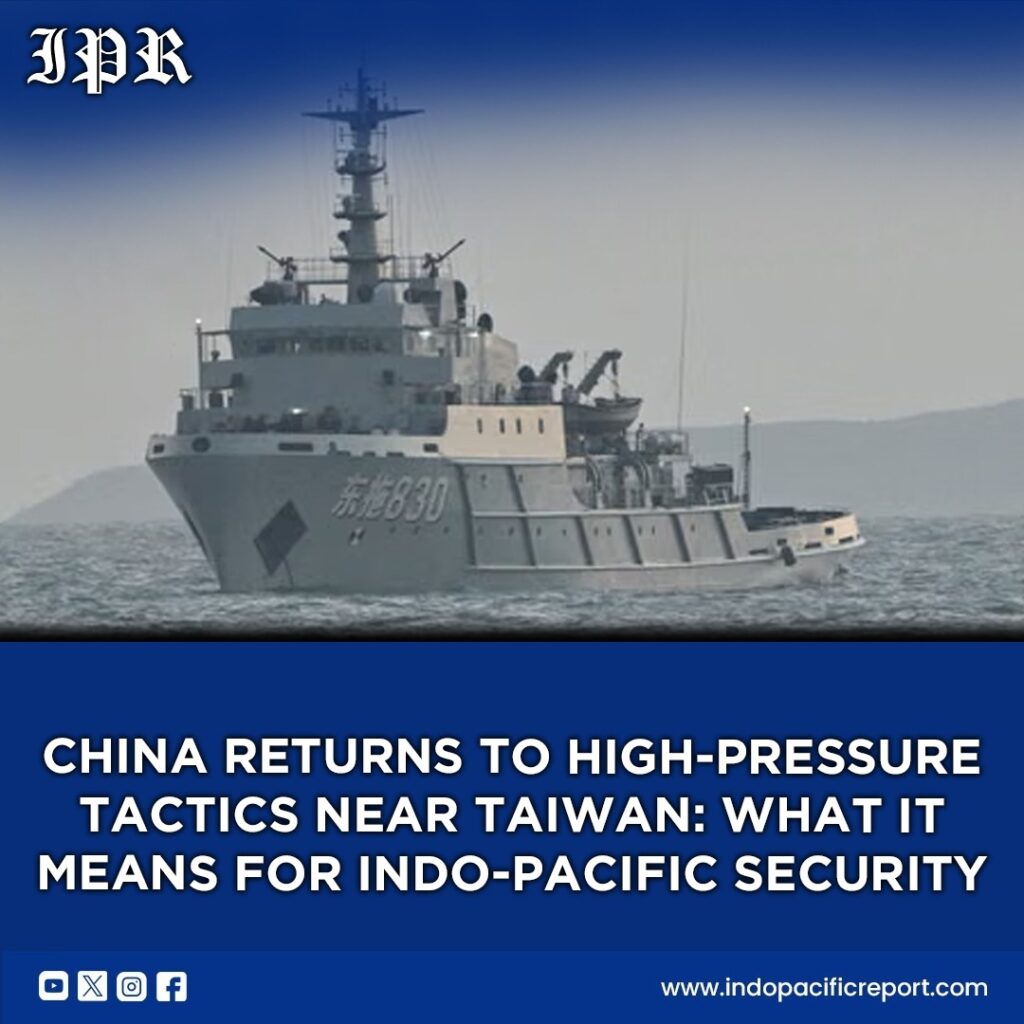
Taiwan has reported a sharp resurgence in Chinese military activity after a two-week lull that had confounded analysts. Over a single weekend, 26 PLA aircraft were detected around the island, with 16 entering Taiwan’s Air Defense Identification Zone (ADIZ) in its central and southwestern sectors. Seven Chinese naval vessels were also observed operating nearby. This sudden spike signals a deliberate return to Beijing’s “grey-zone” operations, aimed at testing Taiwan’s responsiveness and projecting power without initiating full-scale conflict.
The preceding lull, spanning from late February to early March, was notable for its unusual length. Analysts suggest multiple possible explanations: Beijing may have been moderating its activity ahead of a potential U.S.-China diplomatic engagement, adjusting its military training cycles, or experimenting with new joint operational models that integrate air, naval, and land forces while avoiding international monitoring. Regardless of cause, the hiatus underscores that PLA operations are increasingly strategic and calibrated rather than purely routine.
From a great-power competition perspective, these developments reflect China’s intent to assert control over what it considers its near seas, particularly the Taiwan Strait. The resurgence coincides with political milestones in Beijing, including the conclusion of the “Two Sessions” legislative meetings, which reinforced hardline positions toward Taiwan. For the United States and its allies, Taiwan represents both a frontline of democratic resilience and a strategic chokepoint for Indo-Pacific maritime trade. The PLA’s pattern of intermittent pressure allows Beijing to signal resolve and probe adversary reactions without crossing thresholds that would trigger immediate conflict.
Regional security architecture in the Indo-Pacific is directly influenced by such Chinese maneuvers. Taiwan’s continued monitoring, rapid response posture, and integration of advanced surveillance and missile defense systems highlight the island’s reliance on both domestic capabilities and implicit allied support. At the same time, the presence of U.S. and allied forces in the broader region, along with formal and informal security partnerships with Japan, Australia, and other regional powers, reinforces deterrence. However, Beijing’s grey-zone tactics complicate alliance coordination, forcing partners to balance deterrence with crisis management and escalation control.
Philippines Strengthens Grip in South China Sea with Pag-asa Runway Upgrade
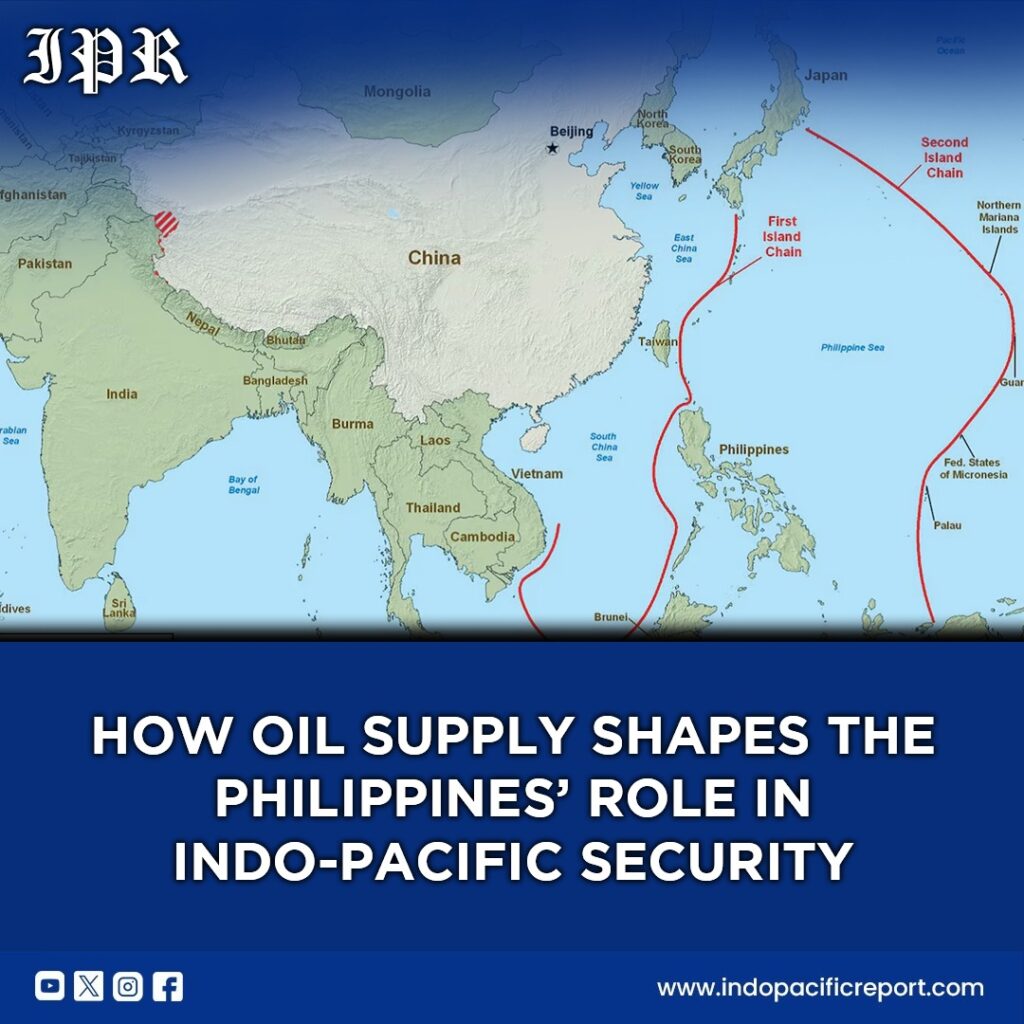
Maritime strategy is central to the stakes in the Taiwan Strait. The corridor is one of the world’s most important shipping lanes, vital for energy exports and global supply chains. Even brief PLA naval activity or air incursions can disrupt shipping, raise insurance premiums, and generate market volatility. Beyond economics, control over the Strait enhances Beijing’s ability to project power throughout the First Island Chain, influencing the operational environment for regional navies and potentially restricting allied freedom of maneuver.
For the broader Indo-Pacific balance of power, the surge underscores that China is willing to employ sustained, low-intensity coercion to shape strategic outcomes. Taiwan’s response—maintaining a constant alert posture while investing in modernized air and missile defenses—illustrates the evolving nature of asymmetric deterrence in the region. It also emphasizes the necessity of allied reassurance: without credible U.S. presence and regional partnerships, Taiwan’s defensive posture alone may be insufficient to offset PLA coercion.
US Commits $144M to Strengthen Military Facilities in the Philippines
Looking ahead, the PLA’s renewed operations near Taiwan are likely to continue, punctuated by pauses that serve both strategic and political purposes. The international community must anticipate that these grey-zone tactics will remain a preferred tool for Beijing, designed to influence regional actors, test allied commitments, and calibrate coercion without escalating to war. For Taipei and its partners, maintaining rapid detection, flexible deterrence, and diplomatic signaling will be crucial to preventing miscalculation while sustaining the strategic balance in the Indo-Pacific.