Taiwan’s current defence push is not just a local issue. It sits at the center of the growing strategic rivalry between the United States and China. What we are seeing is not a sudden crisis, but a slow and steady build-up of pressure. China is increasing military signaling. The US is pushing Taiwan to spend more on defence. And Taiwan itself is trying to balance internal politics with external threats. Together, these moves show that the Taiwan Strait is now one of the most sensitive fault lines in the Indo-Pacific.
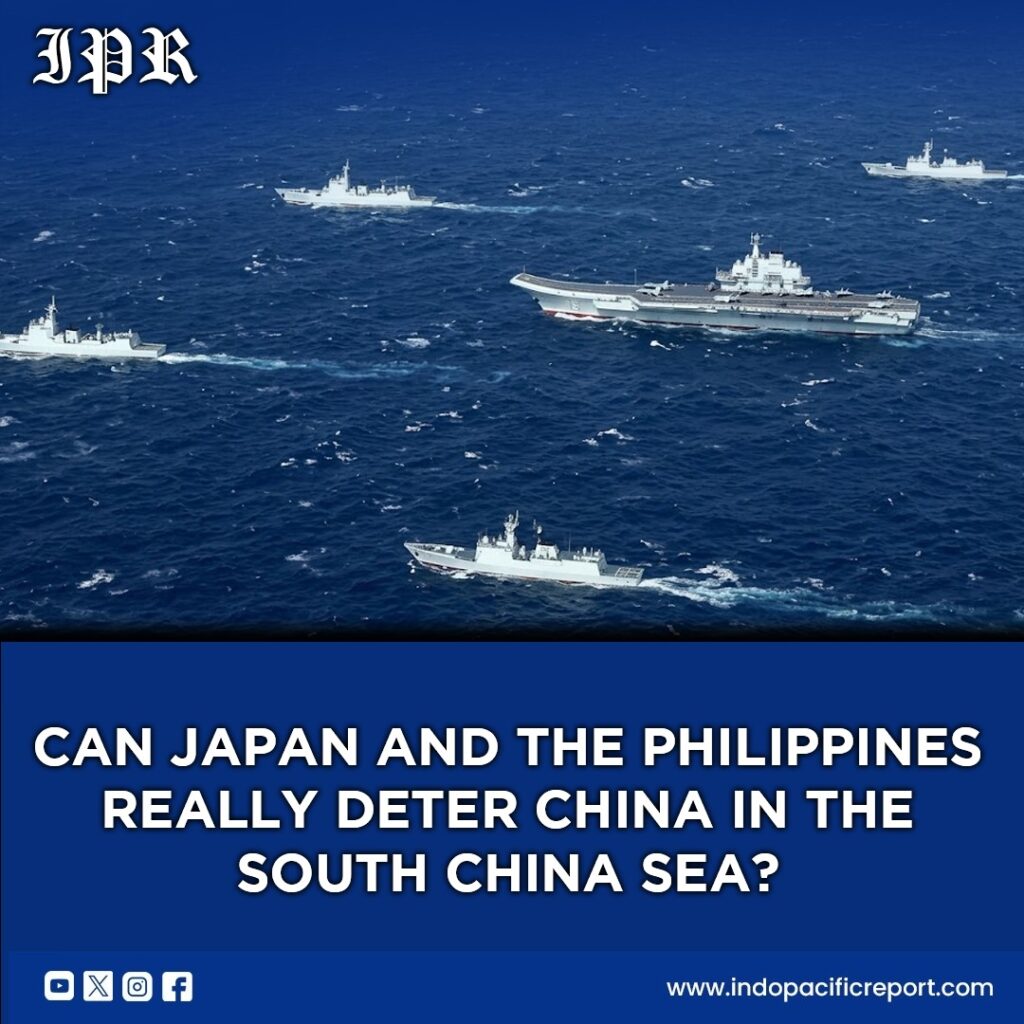
China’s strategy right now looks careful but firm. It is not rushing into conflict. Instead, it is using what strategists call “grey-zone tactics”—military pressure without full escalation. The recent pattern fits this. Chinese aircraft briefly reduced activity, then resumed operations near Taiwan with multiple planes and naval vessels crossing sensitive lines. This creates constant pressure. It tests Taiwan’s response. It also slowly normalizes China’s military presence in the area. The message is simple: China is building control step by step, without triggering war.
On the other side, the United States is trying to strengthen deterrence. But its approach is changing. Washington is no longer willing to carry the full burden. The letter from US lawmakers to Taiwan shows this clearly. The US wants “burden sharing.” In simple terms, Taiwan must invest more in its own defence if it expects strong US support. This is part of a wider Indo-Pacific strategy, where allies like Japan and Australia are also being pushed to increase military spending. The goal is collective deterrence against China.
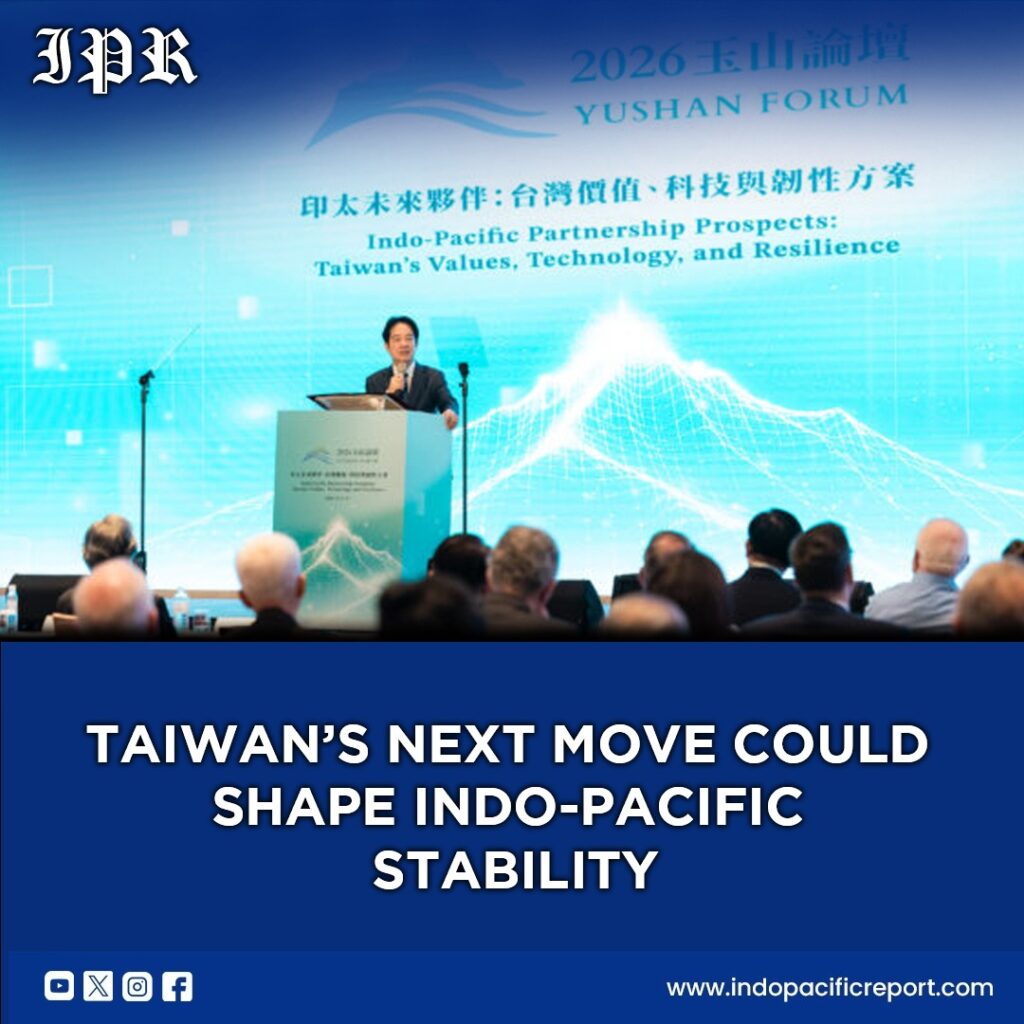
However, Taiwan faces a key internal challenge. Its proposed $40 billion defence package is stuck in parliament. This highlights a major issue in democratic systems—decision-making takes time. The government sees an urgent threat. But the opposition wants accountability and careful spending. Both sides have valid points. Still, from a military strategy view, delays weaken deterrence. If Taiwan cannot show clear readiness, it may invite more pressure from China.
At the same time, Taiwan is not relying only on military power. It is also using economic strategy to secure its position. Its new trade deal with the United States is a good example. By buying large amounts of US energy and strengthening ties in semiconductors and technology, Taiwan is increasing its strategic value. This is smart statecraft. The deeper Taiwan is linked to US supply chains—especially in critical sectors like chips and AI—the harder it becomes for Washington to step back in a crisis. Economic interdependence here acts as a form of strategic insurance.
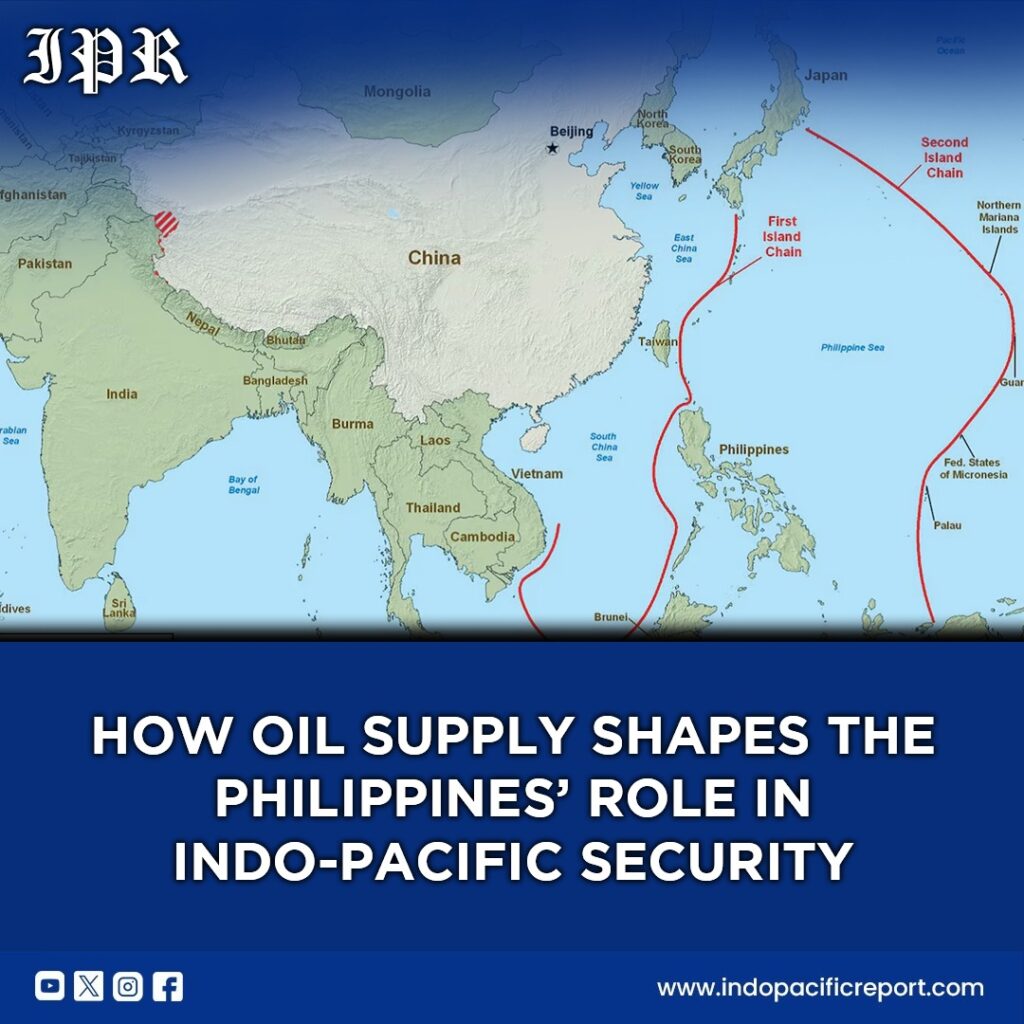
These developments are also reshaping the wider regional security architecture. The Taiwan Strait is a key maritime route. Any instability here affects global trade. Countries like Japan and Australia are watching closely because a Taiwan conflict would directly impact their security. This is why we see stronger defence planning and alignment among US partners in the Indo-Pacific. Taiwan is no longer just a bilateral issue between China and the US. It is becoming a regional security concern.
In the bigger picture, the balance of power in the Indo-Pacific is entering a more tense phase. China is increasing pressure but avoiding open conflict. The US is strengthening alliances but asking partners to do more. Taiwan is trying to buy time—militarily, politically, and economically. This creates a fragile stability. War is not immediate, but the risks are rising. Miscalculation is now a bigger danger than deliberate escalation.
Looking forward, the key question is whether deterrence can hold. If Taiwan strengthens its defence and the US maintains credible support, stability may continue. But if gaps appear—either in Taiwan’s readiness or US commitment—China may see an opportunity to push further.
Question for the audience:
Do you think Taiwan should rapidly increase its defence spending even if it creates political and economic pressure at home?