Tensions in the South China Sea sharply escalated on March 23, 2026, when Chinese vessels surrounded over 20 Philippine fishing boats near Scarborough Shoal, prompting an immediate response from the Philippine Coast Guard (PCG) and the Bureau of Fisheries and Aquatic Resources (BFAR). The Philippines deployed two coast guard vessels and five patrol ships to safeguard its fishermen, provide logistical support, and maintain operational presence in its exclusive economic zone (EEZ).
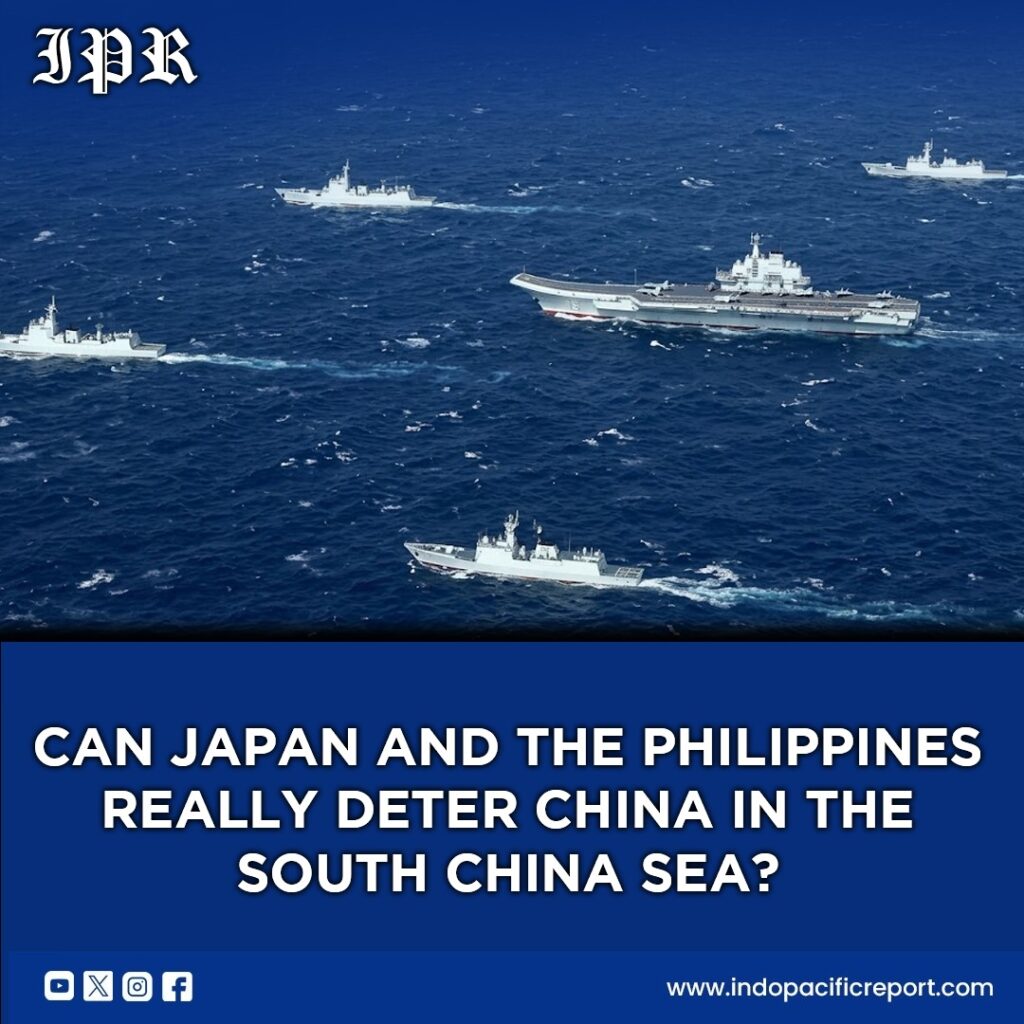
This incident highlights China’s growing use of maritime coercion in disputed waters. Observers documented six Chinese Coast Guard ships, 20 maritime militia vessels, and one PLA Navy warship operating near the shoal. For the first time, a Chinese Coast Guard vessel broadcast intentions to conduct a “clearing operation,” explicitly signaling control over a defined area. Such actions are consistent with China’s broader strategy of gray-zone operations, leveraging civilian and paramilitary assets to assert claims without triggering full-scale conflict.
From a great-power competition perspective, the standoff illustrates how smaller regional powers like the Philippines must navigate between asserting sovereignty and avoiding escalation with China. While the PCG acted in accordance with international law, incidents like this underscore Manila’s operational constraints: limited naval resources, extensive maritime claims, and growing pressure to defend economic and strategic interests in the West Philippine Sea.
The episode also raises questions about maritime security architecture in the Indo-Pacific. Multinational exercises, such as US-Philippine and Australian-Philippine drills, aim to enhance regional interoperability, but China’s presence near Scarborough Shoal demonstrates the limits of current deterrence. Regional powers must therefore balance defense posturing with diplomatic engagement, while ASEAN members watch closely how Manila manages the standoff.
Economically, the harassment of Philippine fishing vessels has direct domestic impacts. Fishing communities rely on these waters for livelihood, and disruptions threaten food security, local economies, and energy-dependent maritime operations. The Philippine government’s support measures—fuel subsidies, ice, and logistical aid—reflect a recognition that sovereignty is not just about military presence but also sustaining civilian economic activity in contested areas.
Looking forward, incidents like Scarborough Shoal suggest a prolonged phase of low-intensity maritime coercion. While Manila continues to defend its EEZ, the Philippines must consider complementary strategies: bolstering maritime domain awareness, increasing patrol capacity, and pursuing multilateral mechanisms that reinforce rules-based order in contested waters.
Should the Philippines prioritize military deterrence to protect its fishermen, or focus on diplomatic and economic measures to reduce the risk of escalation with China?