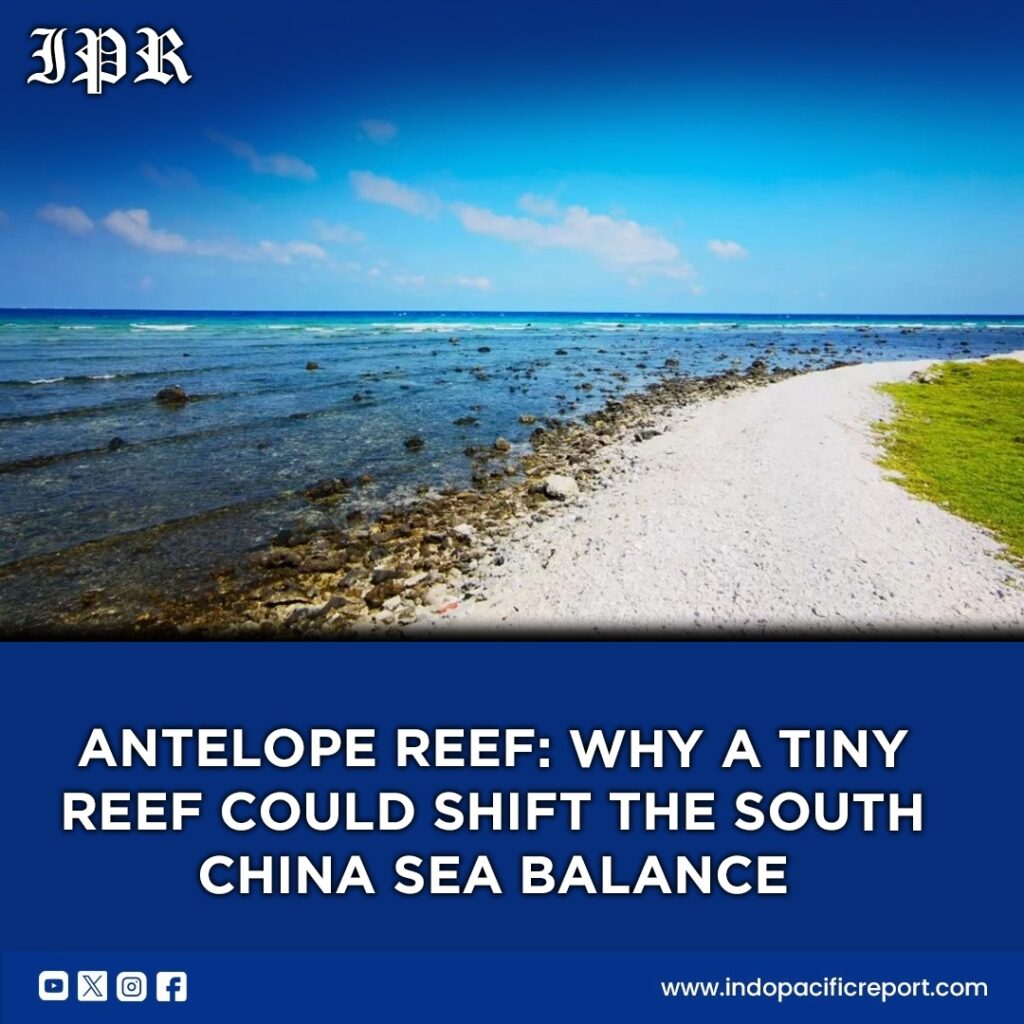
China’s recent expansion of Antelope Reef, part of the disputed Paracel Islands, is more than a small construction project. This previously submerged feature is being transformed into a larger, stable outpost. The reef is claimed by China (Lingyang Jiao), Vietnam (Da Hai Sam), and Taiwan, making it a flashpoint in an already tense maritime region. Satellite images show dredging and land reclamation along the reef’s eastern and southern lagoon, highlighting China’s steady, low-profile strategy of increasing its presence without drawing major international attention.
This development matters because it strengthens China’s ability to project power across the South China Sea. The reef sits between major strategic hubs like Woody Island, which hosts Chinese military and surveillance infrastructure, and waters near Vietnam. By enlarging Antelope Reef, Beijing extends its maritime surveillance, improves logistics, and increases its ability to control sea lanes, all while avoiding large-scale military escalations. For regional states, this reduces operational space and makes it harder to challenge China’s growing footprint.
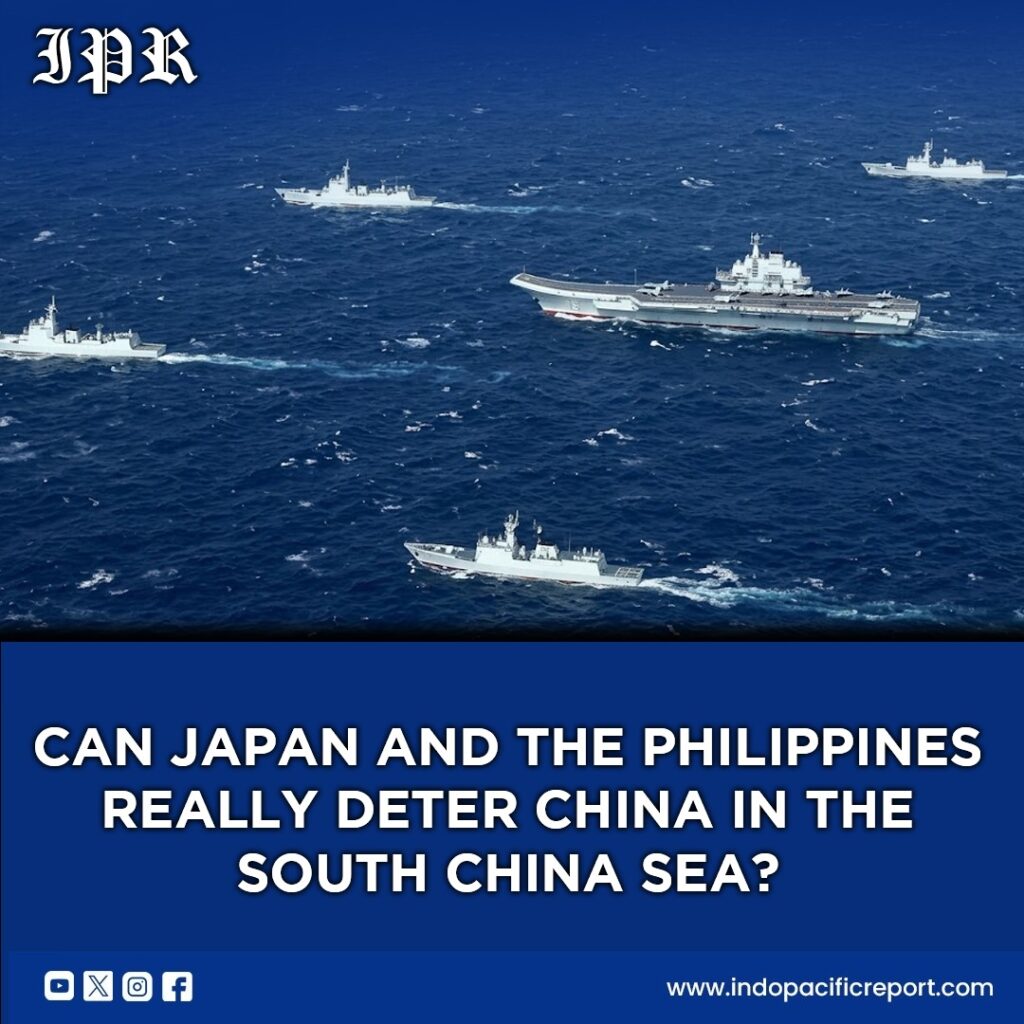
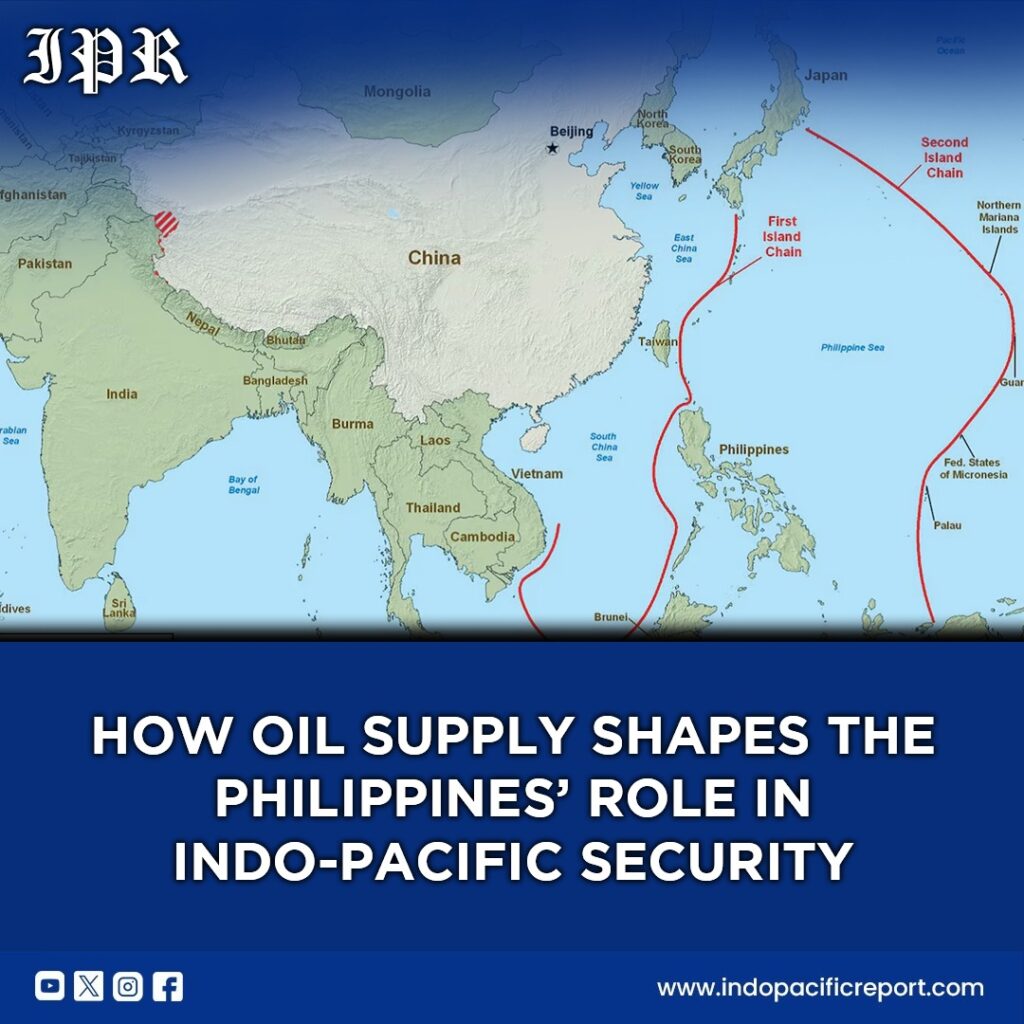
From an alliance perspective, the expansion signals a shift in the regional balance of power. The U.S. and its Indo-Pacific allies must consider how small, incremental changes like this affect deterrence. Antelope Reef may not host large weapons systems, but its upgraded presence changes risk calculations for naval operations and crisis management in the first island chain. For ASEAN nations, it raises concerns about reliance on external powers for security guarantees.
Economically, Antelope Reef sits along critical sea lanes carrying about a third of global trade. Even modest land expansion gives China more influence over shipping routes and local resource claims, such as fisheries or undersea energy deposits. Control over these micro-outposts allows Beijing to assert its economic and maritime strategy in subtle but meaningful ways.
Strategically, Antelope Reef reflects a broader pattern: China is using incremental moves to create a network of territorial control. Each small expansion compounds over time, shaping the Indo-Pacific maritime balance in Beijing’s favor. Deterrence and stability in the region will require more than protests or occasional naval patrols—it will need durable alliances, intelligence sharing, and integrated maritime operations.
Forward-looking assessment: Antelope Reef shows that in the Indo-Pacific, small, sustained actions can have major strategic consequences. Policymakers and strategists must treat even minor features as nodes in a larger network of influence. The question now is not whether China will continue expanding, but how regional powers and allies will respond before these incremental gains become irreversible.
Audience Question for Debate: Should Southeast Asian nations push for direct confrontation, or rely on alliance-backed deterrence to counter China’s incremental expansions in the South China Sea?