Introduction
In the context of the Philippines’ historical struggle with maritime disputes and its evolving defense posture, the impending delivery of the India-Russia-made BrahMos missiles at a cost of US$375 million represents a significant milestone in the nation’s pursuit of enhanced maritime security. This acquisition, following a slight delay, underscores the Philippines’ determination to assert its sovereignty and protect its interests in the South China Sea. Amidst rising tensions and assertive actions by regional actors like China, the acquisition of BrahMos missiles symbolizes a strategic shift towards greater self-reliance and proactive defense measures. As the Philippines seeks to increase its deterrence capabilities, the BrahMos missile deal signifies an important moment in the nation’s defense strategy, signaling its readiness to confront emerging security challenges and safeguard its territorial integrity.
BrahMos Missile Deal: A Game-Changer in Philippines’ Maritime Security Strategy
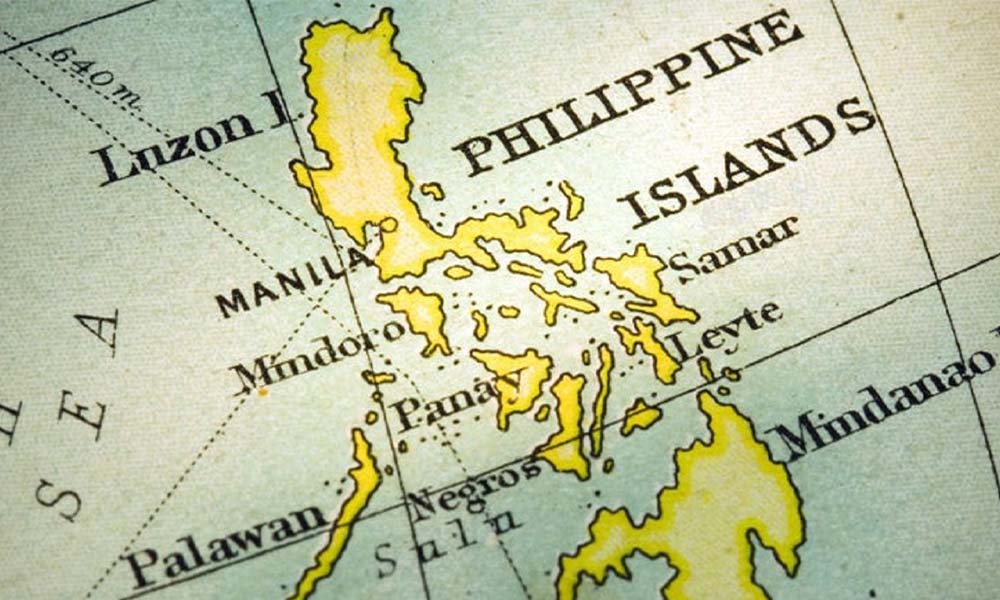
The Philippines is anticipated to receive the India-Russia-made BrahMos missile, procured at a cost of US$375 million following a slight delay from initial expectations in December 2023. The deployment of the BrahMos missile system is poised to strategically position the Philippines in the South China Sea, enhancing its deterrence capabilities against potential Chinese encroachments within its Exclusive Economic Zone (EEZ). The impending delivery, the first outside India, signifies a significant geopolitical development, with its potential deterrent effect on Chinese naval activities in Philippine waters. Philippine President Ferdinand Marcos Jr’s recent commitment to assert the nation’s rights in the South China Sea underscores the gravity of the situation, amid warnings from Chinese officials regarding escalating disputes in the region. The BrahMos missile system, renowned for its anti-ship variant and supersonic speed, is expected to bolster the Philippines’ defense posture, with deployment considerations including key locations such as Basco in Batan Island, Bashi Channel, San Felipe in Zambales, Culion, and Tagbita in Palawan, potentially impacting China’s military bases in the Spratly Islands, notably the Mischief Reef.
The US$ 375 million BrahMos deal between India and the Philippines, signed on 28 January 2022, represents more than just a standard arms agreement; it signifies a pivotal moment in India’s relations with the Indo-Pacific region. For the Philippines, the acquisition of BrahMos missile batteries presents a crucial enhancement to its naval capabilities, offering a vital deterrent against China and shifting the balance of power considerably towards Manila in terms of its defense.
Additionally, the agreement underscores India’s commitment to upholding international law and showcases its emergence as a reliable defense trade partner, aligning with its Act East and Defence Export policies aimed at promoting medium to high technology products.
The BrahMos agreement also reflects the complex geopolitical dynamics at play, involving not only India and the Philippines but also implicating players such as Russia, China, and the United States. The partnership between India’s DRDO and Russia’s NPO Mashinostroyenia underscores strategic diversification in Manila’s defense procurement and sends nuanced messages to regional actors, particularly China, about the evolving geopolitical landscape in the Indo-Pacific.
The tensions in the South China Sea serve as a crucial backdrop to the BrahMos missile deal between India and the Philippines. This strategic waterway has been a focal point of regional contention, primarily due to overlapping territorial claims among countries like China, the Philippines, Vietnam, Malaysia, Brunei, and Taiwan.
China’s assertive actions, including the construction of artificial islands, military installations, and the imposition of its Nine-Dash Line claim, have heightened tensions and raised concerns among neighboring states and the broader international community. These actions challenge the freedom of navigation and undermine the maritime rights of other claimant countries.
The Philippines, in particular, has faced numerous confrontations with China over territorial disputes in the South China Sea, leading Manila to seek enhanced deterrence capabilities and closer defense cooperation with strategic partners like India.
Enhancing Philippine Defense Capabilities
The BrahMos missile, a collaborative effort between India and Russia, boasts remarkable capabilities that underscore its significance in the realm of modern warfare. Known for its exceptional speed and extended range, the BrahMos missile travels at supersonic velocities, reaching Mach 2.8, or approximately 3,430 km/h. This attribute positions it as one of the fastest cruise missiles globally, enabling swift and precise engagements across vast distances. With a range of 290-300 km, the BrahMos demonstrates impressive agility and operational flexibility, allowing it to effectively target distant adversaries while maintaining strategic depth.
One of the most notable features of the BrahMos missile is its dual-purpose capability, enabling it to carry both nuclear and conventional warheads. This versatility adds a layer of strategic flexibility, empowering military planners with options for tailored mission profiles and potential deterrent effects. The missile’s ability to accommodate various payload configurations enhances its adaptability to evolving threat landscapes and operational requirements, further solidifying its status as a potent force multiplier.
The BrahMos missile’s advanced design incorporates sophisticated maneuvering capabilities, rendering interception challenging for conventional air defense systems. Leveraging Russian sea-skimming cruise missile technology and supersonic maneuvers, the BrahMos operates within a diverse altitude range of 5 to 14,000 meters, presenting a formidable challenge to adversaries. Its high velocity and evasive maneuvers make it particularly resilient to interception attempts, further amplifying its effectiveness on the battlefield.
In addition to its formidable capabilities, the BrahMos missile offers versatility in deployment across multiple platforms, including land-based, naval, and air-launched variants. Land-based configurations utilize vertical launch systems and mobile transporter erector launchers (TELs), enhancing mobility and operational flexibility in diverse terrain environments. Naval variants are adept at targeting surface vessels and ground installations, while air-launched versions extend the missile’s reach and effectiveness in aerial engagements.
The acquisition of BrahMos missiles significantly upgrades Philippine military power through several key features and capabilities. With their high speed, extended range, and dual-purpose capability, the BrahMos missiles serve as a formidable deterrent against potential adversaries, particularly in the context of maritime security challenges in the South China Sea. Their ability to carry both nuclear and conventional warheads provides versatile options for responding to various contingencies, including conventional conflicts, maritime security operations, and strategic deterrence. Moreover, the advanced guidance systems and pinpoint accuracy of the BrahMos missiles enable effective targeting and neutralization of threats with precision, bolstering the Philippines’ defensive posture and operational effectiveness. Their sophisticated maneuvering capabilities and high velocity make them highly resilient to interception by enemy air defense systems, enhancing the Philippines’ ability to penetrate and neutralize hostile defenses while ensuring the success of its offensive operations and overall force protection. The compatibility of BrahMos missiles with multiple platforms, including land-based launchers, naval vessels, and aircraft, provides operational flexibility and adaptability, allowing the Philippines to deploy them across various domains and theaters of operation, maximizing their effectiveness in diverse operational environments. In summary, the acquisition of BrahMos missiles empowers the Philippines to safeguard its territorial integrity, assert maritime sovereignty, and effectively respond to emerging security challenges in the region.
The acquisition of BrahMos supersonic cruise missiles has catalyzed deeper defense ties between India and the Philippines. Following the signing of the contract, both nations have displayed increased interest in strengthening their military cooperation, evident in various procurement initiatives. Besides BrahMos missiles, the Philippines has expressed interest in acquiring other advanced military hardware from India, including the Advanced Light Helicopter Mk II (ALH Mk II) and indigenously built warships. Moreover, plans for purchasing High Mobility Artillery Rocket Systems (HIMARS), M142 High Mobility rocket artillery systems, and ALH MK II helicopters highlight the Philippines’ commitment to modernizing its defense capabilities. These procurements signify a strategic shift towards bolstering maritime security and enhancing operational readiness in response to evolving security challenges, particularly in the South China Sea. Collaborative efforts between India and the Philippines aim to foster greater interoperability and information sharing to effectively address shared maritime concerns and safeguard regional stability.
Implications for the Philippine Defense Posture
The acquisition of BrahMos missiles significantly bolsters the Philippines’ deterrence strategy against potential threats by virtue of their formidable capabilities. BrahMos missiles, renowned for their supersonic speed, precision targeting, and versatile payload options, offer the Philippines a potent deterrent against aggression in its territorial waters. With a Mach 2.8 velocity and a range of 290-300 km, these missiles can swiftly engage and neutralize hostile targets, signaling the Philippines’ resolve to defend its sovereignty and national interests. Moreover, BrahMos missiles’ advanced maneuvering capabilities and interception resilience make them highly effective in countering potential threats, dissuading adversaries from engaging in hostile actions. The deployment of BrahMos missiles serves as a clear strategic signal of the Philippines’ commitment to regional stability and its readiness to respond decisively to any acts of aggression or provocation. Furthermore, the acquisition of BrahMos missiles strengthens defense cooperation and interoperability between the Philippines and its strategic partners, fostering closer ties and enhancing the country’s capacity to address evolving security challenges effectively. In essence, BrahMos missiles significantly enhance the Philippines’ deterrence posture, promoting peace and stability in the region while safeguarding its territorial integrity and national security interests.
The Philippines has undergone a notable shift from primarily relying on allies towards greater self-reliance in defense, marked by several key factors and strategic considerations. Historically, the Philippines has maintained close defense ties with traditional allies such as the United States, relying on mutual defense treaties and security partnerships to address external threats and security challenges. However, evolving geopolitical dynamics and changing regional security landscapes have prompted the Philippines to reassess its defense posture and pursue greater self-reliance in defense.
One significant factor driving this shift is the growing assertiveness and assertive actions of regional actors, particularly China, in the South China Sea. The Philippines, along with other Southeast Asian nations, has faced increasing maritime disputes and territorial claims in the region, necessitating a more independent and proactive approach to safeguarding its territorial integrity and national sovereignty.
In line with this strategic shift, the Philippines has embarked on efforts to enhance its domestic defense industry, invest in indigenous defense technologies, and strengthen its military capabilities through modernization programs and capacity-building initiatives. This includes initiatives to acquire advanced military hardware, such as BrahMos missiles and ALH MK II helicopters, to bolster its deterrence capabilities and enhance its ability to defend its territorial waters and maritime interests.
Moreover, the Philippines has sought to diversify its defense partnerships and engage with a broader range of international actors, including India, Russia, and other regional players, to expand its defense cooperation networks and access advanced defense technologies and expertise.
Challenges and Considerations
The acquisition and maintenance of advanced weaponry such as BrahMos missiles and ALH MK II helicopters pose significant financial burdens for the Philippines. Procuring and sustaining these sophisticated defense systems require substantial investments in terms of procurement costs, operational expenses, and maintenance infrastructure. The initial procurement costs for advanced weaponry can be substantial, often requiring the allocation of significant portions of the defense budget or securing external financing arrangements. Additionally, the ongoing operational and maintenance expenses associated with these systems, including training personnel, conducting regular maintenance, and upgrading capabilities, can further strain limited defense resources over the long term.
Moreover, the acquisition of advanced weaponry may also entail potential economic and technical challenges for the Philippines. Economically, investing in high-tech defense systems may divert funds from other critical sectors such as healthcare, education, and infrastructure development, impacting overall socio-economic development priorities. Furthermore, the Philippines may face challenges in developing and sustaining the necessary technical expertise and infrastructure required for the operation, maintenance, and integration of advanced defense systems into its existing military framework. This may involve overcoming technological barriers, addressing skill shortages, and investing in training programs to ensure effective utilization and optimization of these capabilities.
Navigating these financial, economic, and technical challenges requires careful planning, strategic prioritization, and efficient resource management.
The Philippines’ defense upgrade, particularly with the acquisition of advanced weaponry like BrahMos missiles, may elicit various reactions from China and the US, each with its own implications for regional dynamics.
From China’s perspective, the Philippines’ defense upgrade could be perceived as a direct challenge to its say in the region. China may view the enhancement of Philippine military capabilities as a threat to its strategic interests and territorial claims in the region. As a result, China might respond by increasing its military presence and conducting assertive maneuvers in disputed waters, heightening tensions and exacerbating maritime disputes in the South China Sea.
On the other hand, the United States, as a longstanding ally of the Philippines, may welcome the country’s efforts to bolster its defense capabilities. The US has consistently supported the modernization of the Philippine military and the enhancement of its maritime security capabilities to counter Chinese assertiveness in the region. The US may offer assistance, training, and military equipment to support the Philippines’ defense upgrade, further strengthening their bilateral defense cooperation.
However, the possibility of diplomatic tensions or an arms race escalation cannot be ruled out, especially if China perceives the Philippines’ defense upgrade as part of a broader regional containment strategy orchestrated by the US. China may respond with diplomatic pressure, economic coercion, or military posturing to counter perceived encroachments on its strategic interests. This could potentially escalate tensions in the region and trigger a tit-for-tat arms race, where both sides rapidly increase military deployments and capabilities in response to perceived threats.
Furthermore, the Philippines’ defense upgrade could also impact regional security dynamics and exacerbate existing geopolitical rivalries. Neighboring countries, including Vietnam, Malaysia, and Indonesia, may also react to the Philippines’ military buildup by enhancing their own defense capabilities, contributing to a broader regional arms race and escalating tensions in the Indo-Pacific.
Conclusion
In conclusion, the acquisition of BrahMos missiles marks a transformative moment in the Philippines’ maritime security strategy, reflecting its proactive stance in safeguarding territorial integrity amidst escalating tensions in the South China Sea. By embracing a shift towards greater self-reliance and diversifying defense partnerships, the Philippines demonstrates its commitment to addressing evolving security challenges and asserting sovereignty in the region. The BrahMos deal not only enhances the Philippines’ deterrence capabilities but also underscores the nation’s strategic importance in the Indo-Pacific theater. However, the journey towards bolstered defense capabilities is not without its challenges, as financial, economic, and diplomatic considerations loom large. As the Philippines navigates these complexities, close coordination with allies like India and the United States remains crucial to ensuring regional stability and countering assertive actions by actors like China. By leveraging advanced technologies while fostering cooperative relationships, the Philippines can effectively navigate the evolving geopolitical landscape and promote peace and security in the Indo-Pacific region. Ultimately, the acquisition of BrahMos missiles signifies not only a milestone in Philippine defense modernization but also a commitment to upholding maritime order and advancing collective security objectives in the 21st century.