U.S. Expands Military Support to the Philippines — Can China Stop It?
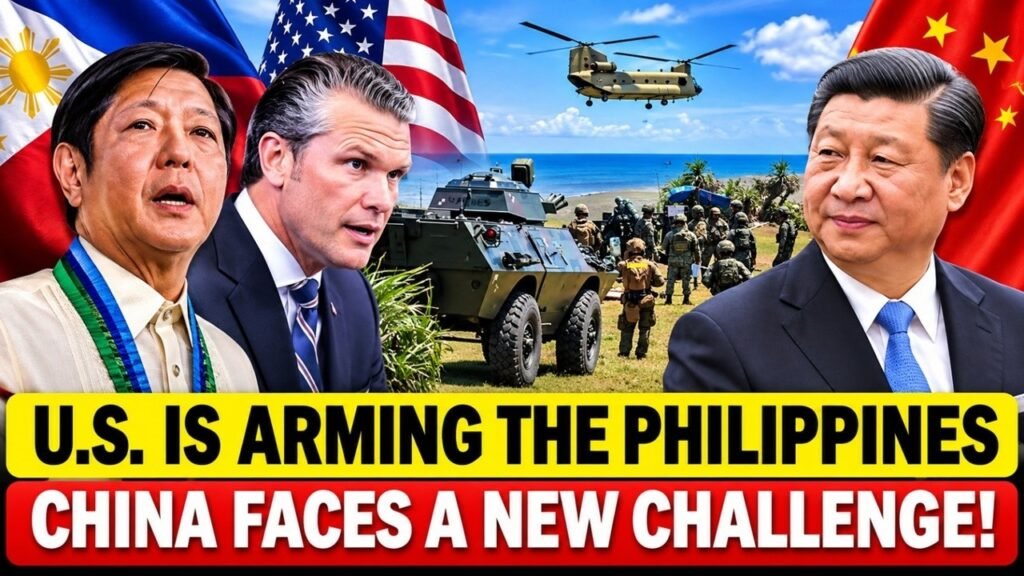
The United States is increasing its support for Philippine military modernization at a time when security competition in the Indo-Pacific is becoming increasingly important. Washington’s latest move signals a deeper commitment to strengthening the Philippines’ defence capabilities, particularly as tensions continue in the South China Sea. During a meeting in Cebu on October 28, 2026, US Secretary of War Pete Hegseth and Philippine Defense Secretary Gilberto Teodoro Jr. discussed expanding military cooperation and accelerating the modernization of the Armed Forces of the Philippines (AFP).
However, the meeting involved more than an announcement of additional American financial assistance. Both countries also agreed to launch an alliance command-and-control modernization initiative aimed at improving real-time coordination, communication, and operational cooperation between their armed forces. This development could have long-term consequences for how the Philippines monitors its maritime territory and responds to emerging security challenges. The exact amount of the newly increased American security cooperation funding has not been publicly disclosed. Nevertheless, the announcement reflects Washington’s intention to help Manila develop a more capable military and strengthen interoperability between the two allies.
Why the Philippines Needs a Different Kind of Military
The Philippines faces a unique defence challenge because of its geographical structure. As an archipelagic nation consisting of more than 7,000 islands, it must protect an extensive maritime territory spread across strategically important areas of the Indo-Pacific. Its geographical position connects the South China Sea with the Philippine Sea and the wider Pacific Ocean, making maritime security an essential part of its national defence strategy. Unlike countries that can concentrate their military forces along a continuous land border, the Philippines must monitor large areas of water, protect multiple islands, maintain airspace security, and move military personnel and equipment across considerable distances. These responsibilities require a combination of naval vessels, fighter aircraft, coastal defence systems, surveillance technology, radar networks, secure communications, and reliable logistical infrastructure. Without these capabilities, maintaining an effective defence presence across the country’s territory becomes extremely difficult.
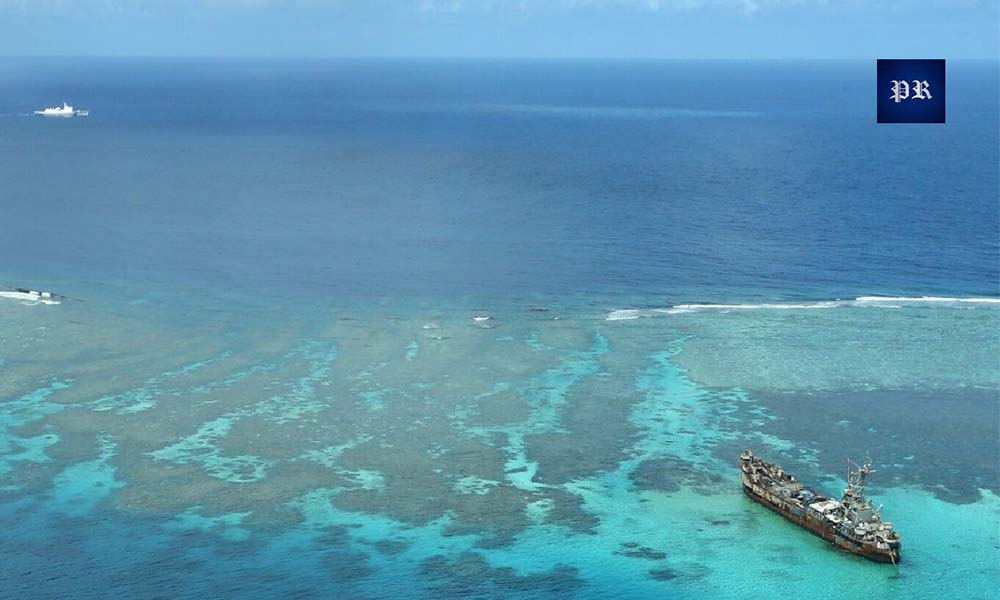
The importance of these requirements has increased because of continuing tensions in the West Philippine Sea. Repeated confrontations involving Chinese coast guard and maritime forces have demonstrated the difficulties Manila faces when protecting its maritime interests against a much larger and better-equipped regional power. These developments have also highlighted the importance of monitoring maritime activity and responding to potential threats before they become more serious security incidents. For the Philippines, the challenge is not simply about purchasing more warships or aircraft. It is about developing the ability to detect activity, collect reliable information, communicate decisions, and coordinate an appropriate response. A military force may possess modern equipment, but without an effective command structure and supporting infrastructure, its operational capabilities can remain limited. For several decades, the Armed Forces of the Philippines concentrated much of its attention on internal security, counterinsurgency operations, and domestic stability
US Offers Philippines $5 Billion for Nuclear Power — China Is Watching!
The same principle applies to missile systems, surveillance networks, and coastal defence installations. Their effectiveness depends on how well they are connected to the wider military structure. Philippine defence planners therefore need to consider not only the number of weapons being acquired but also whether the country has the technical expertise, financial resources, and infrastructure to operate them over the long term. This is why the Philippines does not necessarily need to match China’s military power platform for platform. Such an objective would require enormous financial resources and would be difficult to achieve. Instead, Manila needs to reduce its most serious defence vulnerabilities, improve awareness of its maritime surroundings, strengthen its ability to protect important locations, and make any attempt to pressure Philippine territory more difficult and costly. The modernization effort supported by Washington is intended to contribute to this broader transformation. A stronger Philippine military could improve the country’s ability to protect its sovereignty while allowing it to work more effectively with regional security partners. However, achieving these objectives will require considerable financial investment, which brings attention to the funding arrangements behind American assistance.
What Washington Is Actually Offering to Philippine Military Modernization
Under the US National Defense Authorization Act for Fiscal Year 2026, Congress authorized up to $500 million annually in Foreign Military Financing grant assistance for the Philippines from 2026 through 2030. The legislation also authorized direct loans of up to $1 billion during the same period. These provisions create an important financial framework for future defence cooperation, although authorization should not be confused with the automatic transfer or expenditure of the maximum amount every year. Actual funding depends on congressional appropriations, programme requirements, and government decisions. The distinction matters because the availability of financial authorization does not necessarily mean that the Philippines will receive the full amount immediately. Defence assistance must pass through budgetary and administrative processes before it can support actual procurement or military development. According to the Congressional Research Service, at least $100 million in FMF grant assistance was appropriated for the Philippines for US fiscal year 2026. This provides a clearer picture of the difference between the wider authorized funding ceiling and the money specifically appropriated for that fiscal year.
American security assistance can support several areas of military development, including equipment procurement, training, technical cooperation, maintenance, and institutional capacity building. This broader approach is important because the Philippines needs more than new military hardware. It also needs the trained personnel, technical systems, and operational support required to use modern equipment effectively.
For example, acquiring a new fighter aircraft is only the beginning of a much larger financial commitment. The Philippine government must also consider pilot training, spare parts, maintenance contracts, weapons, fuel, and the infrastructure required to keep the aircraft operational. The same applies to naval vessels, radar installations, coastal defence systems, and other advanced military platforms. Every new acquisition creates continuing financial responsibilities that must be included in long-term defence planning. This is particularly important for a country attempting to modernize several military capabilities simultaneously. If the Philippines purchases advanced equipment without allocating sufficient resources for maintenance and operational support, it could face difficulties keeping those systems available when they are needed. Predictable funding is therefore essential for successful military modernization.
The ₱76.97 Billion Funding Gap: The Biggest Challenge for Manila
The Philippines has identified substantial requirements for strengthening its armed forces, but financing those requirements remains one of the biggest obstacles to modernization. The Revised Armed Forces of the Philippines Modernization Program was established under Republic Act 10349 in 2012. Its original structure was divided into three five-year horizons, with the later stages intended to develop stronger external defence capabilities and improve the country’s ability to respond to regional security challenges. The original fifteen-year modernization framework was scheduled to conclude in 2027. However, the regional security environment has changed significantly since the programme was introduced. Military technology has developed rapidly, defence requirements have become more complex, and the Philippines faces growing pressure to strengthen its maritime and territorial protection capabilities. As a result, projects planned several years ago may no longer fully address the country’s present security requirements.
This creates a difficult situation for Philippine defence planners. Existing contracts cannot simply be ignored because delays or missed payments could affect procurement schedules and the delivery of important military capabilities. At the same time, postponing new acquisitions could leave the armed forces without equipment and technology needed to respond to emerging security challenges. Manila must therefore balance its existing financial responsibilities with the need to invest in future defence requirements. The problem becomes more complicated when technological developments are considered. Modern military systems are becoming increasingly dependent on digital networks, cybersecurity, advanced surveillance, artificial intelligence, and integrated command structures. A project that appears suitable when initially approved may become less effective by the time equipment is delivered, particularly when procurement processes take several years to complete. Philippine Defense Secretary Gilberto Teodoro has raised concerns about the limitations of the existing modernization framework, arguing that rapidly changing technology and emerging threats require a more flexible approach. During the August 2026 budget discussions, he highlighted how some Horizon 2 projects had become obsolete and required cancellation or revision. This illustrates why defence modernization cannot depend entirely on long procurement cycles and rigid plans developed years in advance.
The Development That Could Matter Most for Philippine Defence
One of the most significant developments from the October 28 meeting between the United States and the Philippines is the agreement to launch an alliance command-and-control modernization initiative. While additional military funding and equipment acquisitions are important, improving command and control could have an equally important impact on the country’s defence capabilities. This is because modern military operations depend not only on weapons and personnel but also on the ability to share information, make decisions, and coordinate different military units in real time. Command and control refers to the systems, procedures, and communication networks that allow military commanders to receive information, assess potential threats, issue instructions, and coordinate operations. In a modern defence environment, these systems connect naval vessels, aircraft, ground forces, surveillance installations, and military headquarters. When information moves quickly and reliably between these units, commanders can develop a clearer understanding of the situation and make more informed decisions. For the Philippines, this capability is particularly important because its armed forces operate across a geographically dispersed archipelago. Military installations and operational units are located across different islands, often separated by considerable distances. A naval vessel operating in the West Philippine Sea may need to coordinate with aircraft, coastal surveillance facilities, and military headquarters located elsewhere in the country. Without reliable communications and effective information-sharing systems, coordination between these units can become difficult.
The modernization initiative could support more secure communications, better information-sharing arrangements, improved operational planning, and stronger coordination between American and Philippine military forces. These capabilities could help both countries develop a more accurate operational picture of activities across strategically important maritime areas. They could also improve cooperation between naval, air, and ground units during military exercises, surveillance missions, and other security operations. Another important advantage is interoperability. This refers to the ability of two or more military forces to work together effectively by using compatible systems, communication procedures, and operational arrangements. For the United States and the Philippines, interoperability is essential because their forces need to exchange information and coordinate activities during joint operations. If their communication systems and procedures are incompatible, even well-equipped forces may struggle to cooperate efficiently. However, the exact technical details of the October 28 initiative have not been publicly disclosed. Neither government has provided a complete list of the equipment involved, the implementation schedule, or the precise operational structure of the planned modernization. Therefore, it would be premature to assume that particular technologies or command facilities have already been selected. What has been confirmed is the agreement to improve alliance command and control as part of broader military cooperation. The strategic importance of this initiative goes beyond the Philippines.
For Washington, stronger command-and-control arrangements could make cooperation with Manila more effective and improve the ability of both countries to coordinate their activities in the Indo-Pacific. For the Philippines, the initiative could help connect existing military capabilities with future acquisitions, reducing the risk that different defence systems operate independently without sufficient information-sharing. Ultimately, a modern military is not defined only by the number of aircraft, ships, or missiles it possesses. Its effectiveness also depends on how quickly it can identify potential threats, communicate information, make decisions, and coordinate an appropriate response. If the Philippines can improve these capabilities, its existing and future military equipment could become more useful as part of a connected defence network. However, communication systems alone cannot guarantee readiness. The armed forces also need properly developed facilities, storage capacity, maintenance support, and reliable logistics. This is where the Enhanced Defense Cooperation Agreement becomes particularly important.
EDCA: Why Military Infrastructure Matters
The Enhanced Defense Cooperation Agreement, commonly known as EDCA, is an important part of the defence relationship between the United States and the Philippines. Signed in 2014, the agreement provides a framework for rotational American access to designated Philippine military locations for activities such as joint training, security cooperation, humanitarian assistance, and infrastructure development. Following the addition of four locations in 2023, the agreement covers nine designated sites across the Philippines. The importance of EDCA has increased as both countries seek to strengthen their ability to respond to regional security challenges. During the October 28 meeting in Cebu, Hegseth and Teodoro welcomed progress in operationalizing EDCA locations, including investment in critical infrastructure and storage facilities. This development highlights an important part of military modernization that often receives less attention than weapons purchases: the physical infrastructure required to support military operations.
A military facility is valuable only when it can support the activities for which it is intended. An airfield needs appropriate facilities for aircraft operations, equipment requires secure storage, and military vehicles need maintenance and repair support. Fuel, spare parts, communications equipment, and other essential supplies must also be available when required. Without these arrangements, even a strategically located military installation may have limited operational value. For the Philippines, infrastructure development is especially important because its geographical position creates significant logistical challenges. Military forces may need to operate across different islands and maritime areas, making the movement of equipment, personnel, and supplies a demanding task. Developing facilities that can support maintenance, storage, transportation, and military coordination could improve the country’s ability to sustain operations over longer periods.
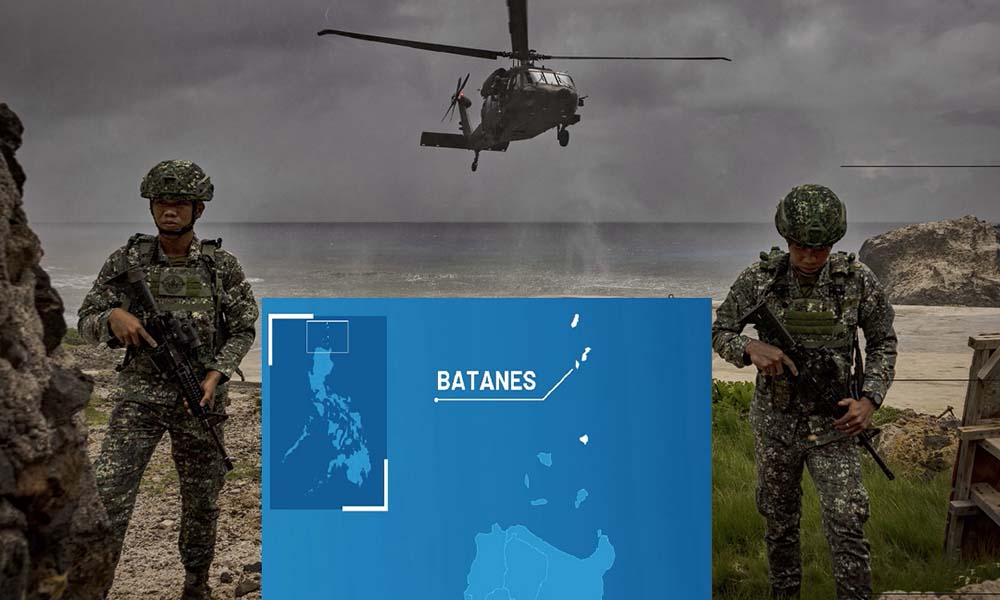
The geographical distribution of EDCA locations also gives the agreement wider strategic importance. Some facilities are relevant to the security environment surrounding the South China Sea, while others are located in northern Luzon, closer to the approaches toward Taiwan and the Bashi Channel. Palawan is also important because of its position near the West Philippine Sea. These locations provide opportunities for improving logistical readiness and strengthening cooperation between the two armed forces. However, the designation of a military location does not automatically mean that it is ready to support all intended activities. Infrastructure projects must be completed, access arrangements must be resolved, and logistical facilities must become operational. A location may appear strategically important on a map, but its practical value depends on whether aircraft, vehicles, equipment, and personnel can actually use it effectively.
Why the Philippines Matters to the First Island Chain
The Philippines holds an important geographical position within the First Island Chain, a strategic arc of islands extending from Japan through Taiwan and the Philippines toward the western Pacific. The concept is widely used in military and geopolitical analysis because of its connection to maritime access, regional surveillance, and the movement of military forces between mainland Asia and the Pacific Ocean. Although it is not a formal military alliance or a physical barrier, the First Island Chain plays an important role in how regional powers understand the Indo-Pacific security environment. The Philippines is particularly significant because its territory faces two strategically important maritime areas. To the west lies the South China Sea, where continuing disputes and maritime confrontations have created security challenges for Manila. To the east lies the Philippine Sea, which provides access to the wider Pacific. The country’s northern islands are also located near Taiwan and the Bashi Channel, an important maritime passage connecting the South China Sea with the Philippine Sea.
This geographical position gives the Philippines strategic importance beyond the size of its economy or military. Its location makes it relevant to maritime surveillance, regional logistics, military cooperation, and the security of important sea routes. For the United States, maintaining a strong defence partnership with Manila provides an opportunity to strengthen cooperation in a region where access to the western Pacific is becoming increasingly important. A more capable Armed Forces of the Philippines could contribute to this wider security environment by improving maritime awareness, strengthening territorial defence, and supporting information-sharing arrangements with regional partners. Better surveillance capabilities could help Manila monitor activity across its surrounding waters, while improved communications could allow it to share relevant information more efficiently with countries working toward regional maritime security. The Philippines is also expanding defence cooperation with countries such as Japan and Australia. These relationships have become increasingly important as regional governments seek practical ways to improve military readiness, maritime awareness, training, and logistical coordination. Cooperation among these countries can help strengthen their individual defence capabilities while improving their ability to work together on shared security concerns.
About Indo-Pacific Report
For more geopolitical analysis, strategy coverage, and Indo-Pacific security reporting, visit Indo-Pacific Report:
Website
Facebook
YouTube