The Philippines is pursuing one of its most ambitious military modernization efforts in decades. Through the Re-Horizon 3 program, Manila aims to strengthen its armed forces, improve maritime security, modernize its air and naval capabilities, and make it more difficult for China to exert military pressure in disputed waters. The plan, valued at approximately US$35 billion, or around ₱2 trillion, reflects the country’s growing need to protect its territory and sovereign rights. However, the real challenge is not simply buying advanced weapons. The Philippines must also secure reliable funding, train enough military specialists, and develop the infrastructure needed to keep its new equipment operational.
The financial gap highlights the scale of the problem. For 2027, the Department of National Defense identified ₱126.97 billion in modernization requirements, while the proposed allocation stood at ₱50 billion. This leaves a difference of ₱76.97 billion between identified requirements and proposed funding. Although the proposed allocation represents an increase from the ₱40 billion appropriated for 2026, it remains substantially below the amount the defense establishment says it needs. These figures raise an important question about the future of Philippine military modernization: can the government turn its ambitious procurement plans into a force that is ready, reliable, and capable of operating under pressure? Funding, trained personnel, and infrastructure will play decisive roles in determining whether Re-Horizon 3 delivers lasting results.
What Is Re-Horizon 3? Understanding the Philippines’ ₱2 Trillion Military Plan
Re-Horizon 3 is the revised phase of the Philippines’ military modernization program, approved in January 2024. Its approximately US$35 billion price tag represents a long-term ambition to improve the country’s ability to defend its territory, monitor maritime activity, protect its airspace, and respond to emerging security threats. The program focuses on acquiring modern military platforms and supporting capabilities, including aircraft, naval vessels, missile systems, surveillance equipment, and other technologies needed for territorial defense.
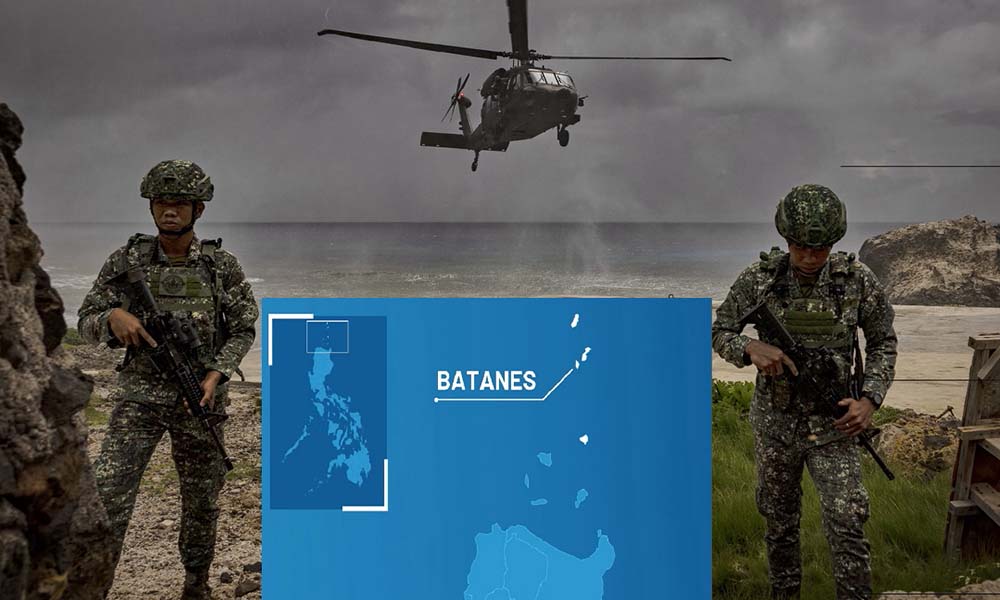
The initiative forms part of a broader shift in Philippine defense planning. For many years, the Armed Forces of the Philippines concentrated heavily on internal security operations, including counterinsurgency and domestic security missions. Increasing tensions in the South China Sea have strengthened the argument for developing capabilities designed specifically for external defense. The military now needs to improve its ability to detect potential threats, protect maritime approaches, coordinate operations between services, and sustain forces across a geographically dispersed archipelago.
However, the estimated value of Re-Horizon 3 should not be confused with money already available in government accounts. A modernization plan is a long-term framework, while actual implementation depends on annual appropriations, contract approvals, fund releases, scheduled payments, and the government’s ability to meet continuing financial obligations. The distinction is important because announcing a major acquisition does not mean the equipment will arrive on time or become immediately operational.
For readers following regional security developments, Indo-Pacific Report provides further coverage and analysis at https://indopacificreport.com/. Understanding the financial and operational realities behind defense announcements is essential to assessing how military modernization could affect the balance of power in the Indo-Pacific.
Why the Philippines Needs Stronger Military Capabilities
The Philippines faces a complicated defense environment because of its geography. As an archipelago consisting of thousands of islands, the country must protect extensive coastlines, maritime routes, airspace, remote communities, and strategically important waters. Unlike countries that can concentrate much of their defense on a single land border, the Philippines must distribute its capabilities across multiple islands and maritime approaches. This geographical challenge makes surveillance, communications, transportation, and logistics particularly important. Military commanders need reliable information about activity across large distances, while ships, aircraft, and ground-based units must be able to coordinate their movements and responses. A force with advanced equipment but limited communications or inadequate logistical support could struggle to respond effectively when a crisis develops.
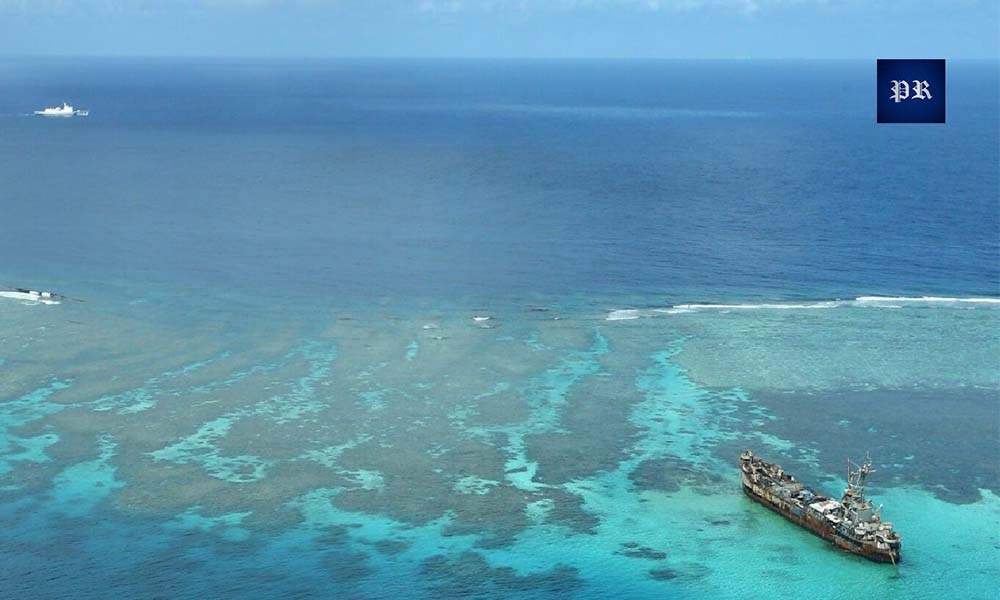
China’s growing military presence and continuing disputes in the South China Sea have added urgency to these requirements. The Philippines has repeatedly faced tensions involving maritime activities and competing claims in the region, particularly in areas associated with the West Philippine Sea. Manila therefore needs stronger maritime domain awareness, more effective coastal defense, improved air surveillance, and forces capable of responding to incidents without relying entirely on external assistance. The objective is not necessarily to match China’s overall military strength. China possesses a much larger military establishment and significantly greater resources. A more practical Philippine strategy is to develop capabilities suited to national geography and security requirements, improve coordination with partners, and raise the potential costs and risks of coercive actions. This approach depends on a combination of credible military capabilities, effective diplomacy, and sustained defense investment.
Challenge One: Can the Philippines Fund Its Military Modernization Plan?
Funding is the first major obstacle facing Re-Horizon 3. The proposed ₱50 billion allocation for 2027 is considerably lower than the ₱126.97 billion in modernization requirements identified by the Department of National Defense. The ₱76.97 billion difference illustrates the pressure on the modernization program, although it does not automatically represent overdue payments or a confirmed financing shortfall for every individual project. The gap matters because major defense acquisitions require predictable financing over several years. Fighter aircraft, warships, missile systems, radar installations, and other sophisticated equipment are often purchased through contracts with specific payment schedules and delivery milestones. Governments may also need to finance training, infrastructure, ammunition, technical support, and maintenance arrangements alongside the purchase of the equipment itself.
When funding is uncertain, procurement schedules can become more difficult to manage. Projects may be postponed, contract terms may need to be adjusted, or available resources may have to be redirected toward the most urgent requirements. Delays can also affect other parts of the modernization process, especially when training facilities, maintenance arrangements, and supporting infrastructure are expected to be ready before new equipment enters service.
The Philippine government must also balance defense spending with other national priorities, including education, healthcare, infrastructure, disaster preparedness, and social services. Increasing defense expenditure without considering the broader fiscal position could create additional economic and political pressures. The challenge is therefore to establish a realistic, sustainable funding path that allows the armed forces to meet their most important requirements without making commitments that cannot be supported.
A successful modernization program needs more than a large headline budget. It requires transparent procurement, disciplined project management, predictable payments, and clear decisions about which capabilities should receive priority. If funding remains below requirements for an extended period, Manila may have to phase acquisitions more carefully and focus first on systems that provide the greatest operational benefit.
Why Buying Weapons Costs More Than Their Purchase Price
The financial burden of military modernization extends far beyond the initial cost of equipment. A fighter aircraft requires qualified pilots, maintenance crews, fuel, spare engines, technical equipment, ammunition, and suitable hangars. A modern warship requires trained sailors, replacement components, weapons support, communications systems, and regular maintenance. Missile batteries and radar systems also depend on specialized personnel, secure facilities, reliable power supplies, and continuous technical support.
These expenses continue throughout the operational life of each system. If the government concentrates too heavily on purchasing major platforms while underfunding their support requirements, the armed forces could acquire sophisticated equipment that cannot be used consistently. Such an outcome would weaken the practical value of the modernization program and reduce the benefits expected from substantial public investment.
Life-cycle costing should therefore be central to procurement decisions. Before committing to a new platform, defense planners need to estimate its operating costs, maintenance requirements, expected service life, personnel needs, and future upgrade expenses. They must also consider whether the Philippines can obtain spare parts and technical assistance when required.
The government should not judge a military acquisition solely by its advertised price or technical specifications. A less expensive system that can be maintained locally and operated reliably may sometimes provide greater long-term value than a more advanced platform with expensive support requirements. The best choice depends on the mission, the threat, and the country’s ability to sustain the equipment.
Philippines Activates Pag-asa Island as China Faces a New Coast Guard Challenge
Challenge Two: Can the Armed Forces Train Enough Specialists?
The second major challenge is developing the personnel needed to operate modern military equipment. Advanced aircraft, warships, missile systems, surveillance platforms, and digital command networks require specialized training and practical experience. Purchasing new equipment is only the beginning; military personnel must learn how to operate, maintain, and integrate it into their assigned missions. The Philippine Air Force, for example, needs qualified pilots, aircraft technicians, maintenance supervisors, and specialists who understand modern avionics and communications systems. The Philippine Navy requires personnel trained in ship propulsion, navigation, weapons systems, radar, and electronic equipment. Missile and coastal defense units need operators who can follow established procedures, maintain their systems, and coordinate with command centers.
These qualifications take time to develop. Personnel must complete formal instruction, gain practical experience, and demonstrate that they can perform their duties safely and effectively. Technical specialists may require additional training from foreign manufacturers or partner militaries, particularly when new equipment introduces technologies that are unfamiliar to existing units.
The challenge becomes more complicated when several new systems enter service within a relatively short period. Training institutions must produce enough qualified personnel without lowering standards, while experienced instructors and technicians must remain available to support the next generation. If trained personnel leave the service before their knowledge can be transferred, the military may struggle to maintain the expertise needed to operate increasingly sophisticated equipment.
Modernization also requires skills beyond traditional combat roles. Cybersecurity, electronic warfare, data management, surveillance, and secure communications are increasingly important to military effectiveness. The armed forces need specialists who can protect digital systems, maintain technical networks, and ensure that information reaches commanders when it is needed.
Why Military Readiness Depends on Experience, Not Just Personnel Numbers
The number of personnel assigned to a unit does not necessarily demonstrate that the unit is ready for its mission. Operational readiness depends on whether the right specialists are available, whether they have completed the required qualifications, and whether they have practiced working together under realistic conditions.
A newly delivered aircraft does not automatically become a dependable operational asset when a pilot completes initial training. Aircraft crews need continued practice, maintenance teams must learn to identify and resolve technical problems, and commanders must understand how the platform fits into wider operations. Similar requirements apply to warships, missile units, radar systems, and other modern military capabilities.
Training facilities and simulators can help expand the number of qualified personnel, but they must be supported by experienced instructors, suitable equipment, and realistic exercises. Joint training is also important because modern defense operations frequently require different military services to exchange information and coordinate their actions.
Retention is another important consideration. Skilled technicians and experienced operators represent a significant investment in training. If the armed forces cannot retain enough of these personnel, the cost of replacing their expertise could become a continuing burden. Career development, professional education, competitive service conditions, and opportunities for technical advancement can all help preserve valuable knowledge. Publicly available information does not establish one comprehensive, quantified personnel shortage covering every modernization project in the Philippines. The more important question is whether recruitment, qualification, and retention can keep pace with the planned expansion of military capabilities. Manila must ensure that its personnel development plans advance alongside procurement rather than treating training as a task to be completed after equipment arrives.
Challenge Three: Can the Philippines Build the Infrastructure to Sustain Modern Weapons?
The third major challenge is the infrastructure required to operate and maintain new military equipment. Modern aircraft need appropriate runways, hangars, maintenance facilities, safety systems, and reliable supplies. Warships require docking facilities, repair capacity, replacement components, and technical support. Coastal missile systems need suitable locations, secure communications, transport arrangements, and facilities for storing and maintaining their equipment. These requirements are particularly important in the Philippines because military forces must operate across a widely dispersed archipelago. Equipment and personnel may need to move between islands, while maintenance supplies must reach bases that are separated by considerable distances. Weather conditions, transport limitations, and the vulnerability of supply routes can add further complications.
The government has pursued military infrastructure improvements, including projects associated with the Department of National Defense and the Department of Public Works and Highways under the TIKAS program. Such initiatives can help improve military facilities and support operational requirements. However, the existence of infrastructure projects does not establish that every base or maintenance facility needed for each new acquisition is already adequate. Infrastructure planning must therefore be connected directly to procurement schedules. Before a new system arrives, the armed forces should know where it will be based, how it will be maintained, which facilities must be upgraded, and how supplies will reach the relevant units. If these preparations fall behind, equipment may enter service later than expected or operate below its intended capacity. The same principle applies to storage, fuel, ammunition, communications, and repair facilities. These may receive less public attention than aircraft or warships, but they are essential to keeping military forces operational. A modernization program that overlooks these requirements risks building an impressive inventory without establishing the support network needed to use it effectively.
Foreign Suppliers, Spare Parts, and Maintenance Dependence
Foreign procurement allows the Philippines to obtain technologies that would be difficult or expensive to develop independently. International suppliers can provide advanced aircraft, naval systems, missiles, radar equipment, and technical expertise that would otherwise take years to establish. Cooperation with foreign partners can also support training and improve interoperability. However, dependence on overseas suppliers creates potential vulnerabilities. Certain components may be available only from the original manufacturer, while complex repairs may require specialized tools or assistance from foreign technicians. Shipping delays, supply-chain disruptions, contractual limitations, or changes in international circumstances can affect the availability of critical parts. These risks do not mean the Philippines should avoid purchasing foreign equipment. Most countries depend on international defense suppliers for at least some of their advanced military technology. The important issue is whether procurement agreements provide reliable long-term support and whether the armed forces can maintain an appropriate level of operational independence. Manila can reduce avoidable risks by training local technicians, developing domestic repair capabilities, negotiating dependable spare-parts arrangements, and pursuing technology transfer where practical. Maintenance partnerships with local companies and educational institutions could also strengthen the domestic technical workforce. The goal is not to manufacture every component within the Philippines but to ensure that essential equipment can be supported reliably over time. For a country concerned about maritime security and regional tensions, maintenance is directly connected to deterrence. An aircraft grounded because of unavailable spare parts cannot conduct its assigned mission. A warship undergoing an extended repair period cannot provide the same level of presence at sea. Reliable sustainment is therefore a central element of military readiness, not an optional addition to procurement.
How Funding, Training, and Infrastructure Affect One Another
The three challenges facing Philippine military modernization cannot be solved independently. Funding decisions affect equipment deliveries and construction schedules. Infrastructure determines whether new platforms can be based and maintained properly. Training determines whether qualified personnel are ready when those platforms enter service.
Consider a hypothetical aircraft acquisition. The government may sign a contract and arrange the purchase, but the program could still face delays if funding for supporting facilities is insufficient. Even after delivery, the aircraft may not reach its intended operational availability if pilots and technicians have not completed the necessary training. If spare parts are difficult to obtain, maintenance delays could further reduce the aircraft’s usefulness.
A similar chain of problems can affect naval vessels, missile systems, radar installations, and surveillance equipment. The delivery of individual platforms does not automatically produce an integrated military capability. Each system must be supported by people, infrastructure, logistics, and communications that function together.
This is why life-cycle planning matters. Defense officials need to consider the complete sequence from procurement and construction to training, commissioning, maintenance, upgrades, and eventual replacement. If any part of that sequence is underfunded or poorly coordinated, the entire project can deliver less value than expected. The Philippines must also ensure that new systems can exchange information. Radar installations, surveillance aircraft, warships, coastal missile units, and command centers should be able to share relevant information securely and efficiently. Without reliable integration, different platforms may operate as separate assets rather than contributing to a coordinated defense network.
How Can the Philippines Measure the Success of Its Military Modernization Plan?
The success of Re-Horizon 3 should be evaluated through measurable progress rather than announcements about contract values or planned acquisitions. The first indicator is whether approved funding and actual payments are keeping pace with contractual obligations. Repeated funding delays could signal that procurement schedules or priorities need to be adjusted.
The second indicator is whether equipment deliveries, testing, and commissioning are taking place according to realistic schedules. Receiving a platform is an important milestone, but it does not necessarily mean the system is fully operational. The armed forces must also demonstrate that the equipment can be used safely and effectively for its intended mission.
Personnel readiness is another important measure. The government should track whether qualified operators, technicians, and instructors are available when new systems enter service. Training completion, retention of experienced specialists, and performance during exercises can provide useful evidence of progress. Infrastructure and sustainment should also be assessed. Relevant indicators include the availability of suitable bases, maintenance facilities, spare parts, technical support, and reliable supply arrangements. Where appropriate data are available, equipment availability and maintenance turnaround times can help show whether the armed forces are improving their ability to sustain operations.
Finally, the military should demonstrate that its different capabilities can work together. Exercises involving surveillance, command-and-control systems, aircraft, naval units, and coastal defense forces can help identify gaps in coordination and information-sharing.
Official budget documents, Commission on Audit reports, congressional hearings, and documented project milestones can provide valuable evidence for assessing progress. Where reliable readiness figures are not publicly available, analysts should acknowledge those limitations rather than assume that equipment deliveries automatically translate into operational capability.
Transparent reporting would help the government identify problems before they become more expensive to resolve. If training falls behind procurement, schedules may need to change. If maintenance costs exceed expectations, support agreements may require review. If funding gaps repeatedly delay essential projects, the government may need to reconsider its priorities.
Can the Philippines’ ₱2 Trillion Military Plan Strengthen Deterrence Against China?
The Philippines’ military modernization program reflects a genuine strategic requirement. The country needs stronger capabilities to monitor its maritime approaches, protect its territory, and defend its sovereign rights. Re-Horizon 3 provides a framework for acquiring the aircraft, ships, missiles, sensors, and supporting systems that could strengthen its defensive posture.
However, the program’s success will depend on more than the total value of planned acquisitions. Predictable funding, qualified personnel, reliable infrastructure, maintenance capacity, and effective integration will determine whether the equipment delivers meaningful operational benefits. A military system is valuable only to the extent that it can perform its assigned mission when required. Deterrence depends on convincing a potential adversary that coercive action will not achieve its intended objectives easily. For the Philippines, that means improving its ability to detect developments early, share information, coordinate decisions, deploy appropriate forces, and sustain operations under pressure. Modern weapons can contribute to this objective, but they cannot replace the people and support systems that make those weapons effective. The Philippines does not need to reproduce China’s entire military establishment. It needs a force suited to its geography, economic resources, and defense priorities. Stronger surveillance, credible coastal defense, reliable maritime capabilities, and improved coordination with partners can contribute to that goal when they are supported by sustainable investment and realistic planning.
The funding gap identified for 2027 illustrates the scale of the task ahead. The difference between ₱126.97 billion in identified modernization requirements and the proposed ₱50 billion allocation highlights the need to align military ambitions with available resources. At the same time, increasing the budget alone will not solve shortages in training, maintenance, infrastructure, or operational integration. Ultimately, the test of Re-Horizon 3 is whether the armed forces can deploy, operate, and sustain the capabilities they acquire. Funding must match commitments, personnel must match technology, and infrastructure must match operational requirements. If these elements develop together, the Philippines will have a stronger foundation for territorial defense and credible deterrence.
Final Assessment: What Will Determine the Future of Re-Horizon 3?
The Philippines’ approximately ₱2 trillion military modernization ambition represents a major commitment to national defense. Yet the difference between an ambitious plan and a successful transformation lies in implementation. Long-term funding must be dependable, specialized personnel must be trained and retained, and infrastructure must be ready to support the equipment being acquired.These priorities are closely connected. A funding shortfall can delay procurement and construction. Inadequate training can prevent newly delivered equipment from reaching its intended level of readiness. Weak maintenance and logistics can reduce operational availability, while poor integration can prevent different military systems from working together effectively.
For policymakers, the priority should be a balanced and sustainable modernization program that connects every major acquisition to a clear mission and a credible support plan. For the public, progress should be judged through transparent budgets, completed projects, qualified personnel, dependable maintenance, and demonstrated operational performance.
Re-Horizon 3 could strengthen the Philippines’ ability to defend its territory and protect its interests in the Indo-Pacific. But the country’s military future will not be determined by how many weapons it announces or how much its procurement program is worth. It will be determined by whether its armed forces can use their capabilities effectively, maintain them over time, and respond when national security is at stake.
About Indo-Pacific Report
For more geopolitical analysis, strategy coverage, and Indo-Pacific security reporting, visit Indo-Pacific Report:
Website
Facebook
YouTube
Philippines’ ₱2 Trillion Military Ambition Faces 3 Major Challenges