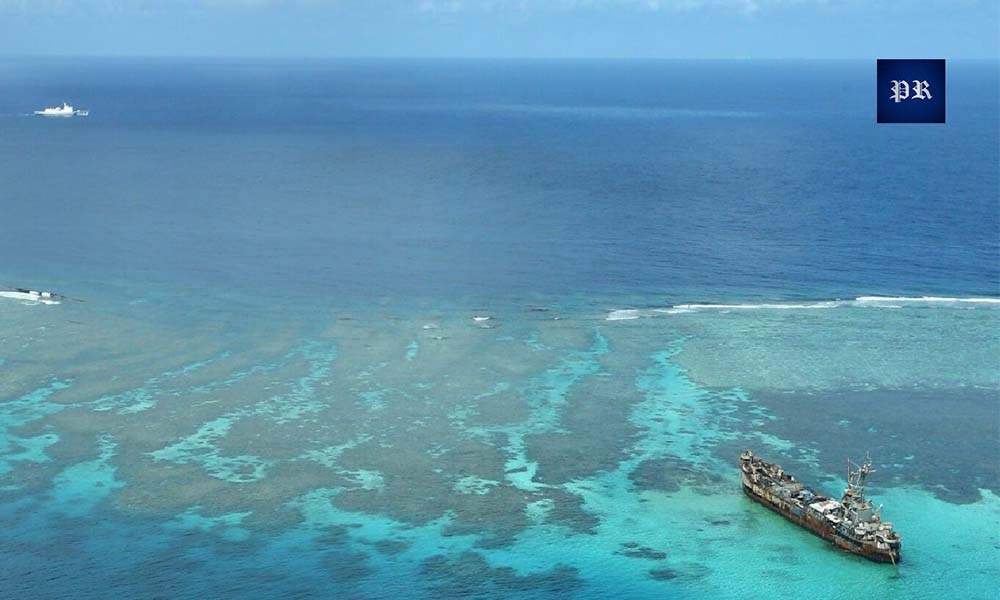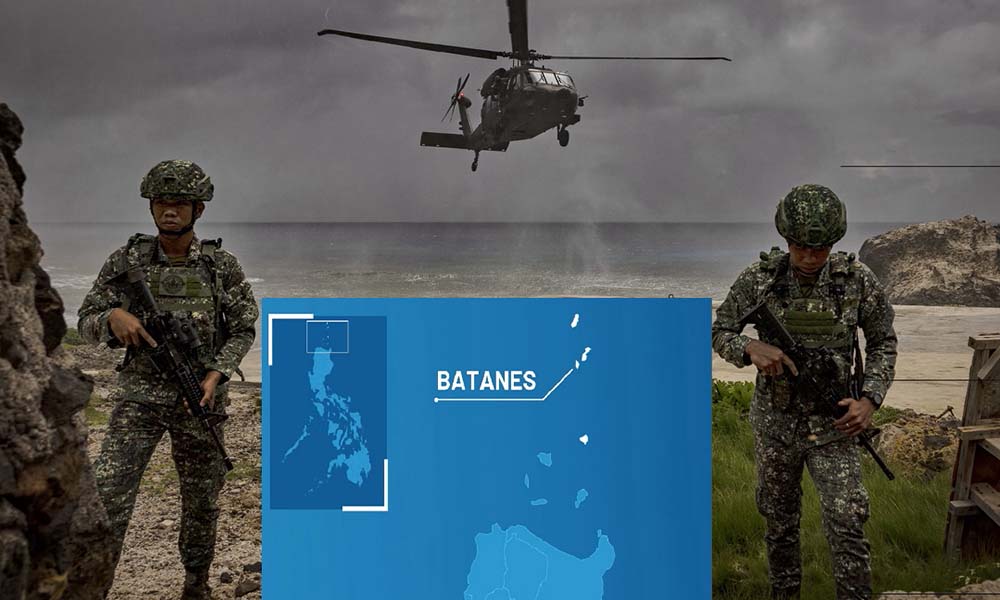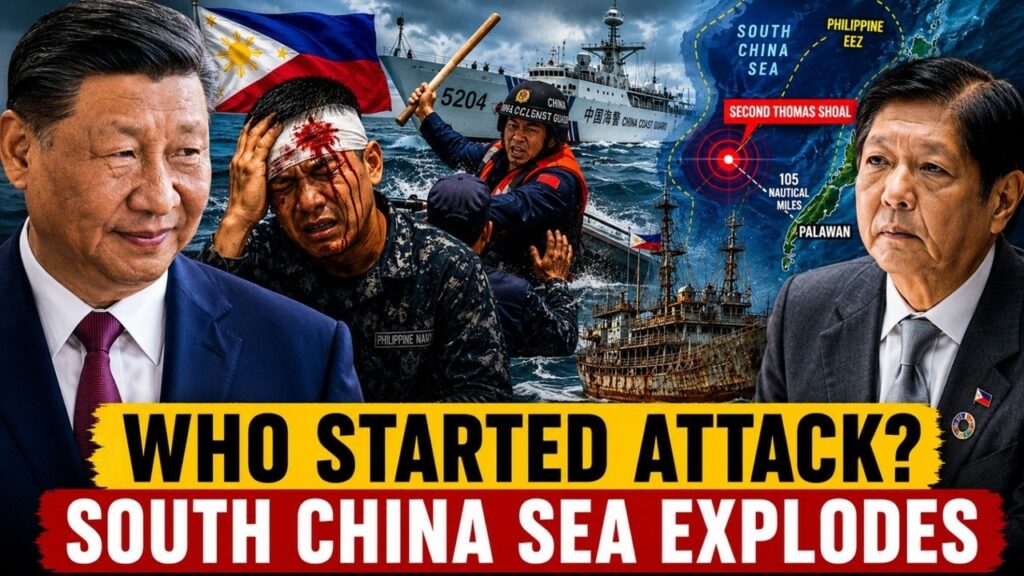
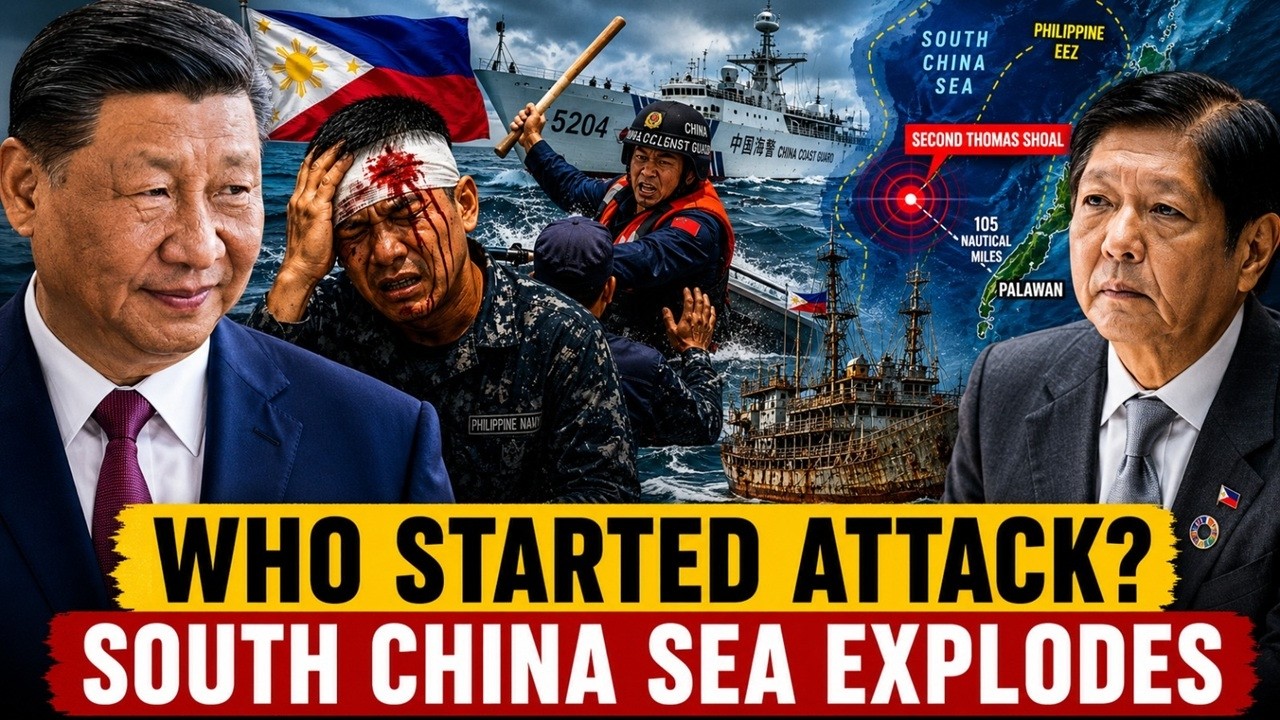
China Just Crossed the Line? Chinese Officer Attacks Philippine Sailor in South China Sea
Philippine Airlines’ Boeing 787-10 order signals long-term confidence in aviation growth, the Philippine economy, and the Indo-Pacific region. Learn why this deal matters. Philippine Airlines (PAL) has announced one of the largest fleet investments in its history by ordering 15 Boeing 787-10 Dreamliners, with options for five more. Valued at up to $3.4 billion, the agreement reflects far more than fleet renewal. It represents a strategic investment in future travel demand, cargo growth, and the expanding importance of the Indo-Pacific aviation market.
why the order matters, why Boeing secured the contract, what it means for the Philippines, and how it could shape regional aviation over the coming decades.
Why PAL Needed New Aircraft
Based on the available information, Philippine Airlines is modernizing its fleet to replace aging aircraft, improve fuel efficiency, expand passenger and cargo capacity, and prepare for sustained long-term growth. The Boeing 787-10 offers lower operating costs, enhanced passenger comfort, and strong cargo capabilities, making it well suited to PAL’s long-haul strategy. The investment also reflects confidence in the Philippines’ economy and the Indo-Pacific’s growing role in global aviation. Airport modernization, rising tourism, and increasing international connectivity strengthen this outlook. While future growth will depend on market conditions, this order positions PAL for the next generation of aviation.
Why Boeing Won
Based on the available information, Philippine Airlines is modernizing its fleet to replace aging aircraft, improve fuel efficiency, expand passenger and cargo capacity, and prepare for sustained long-term growth. The Boeing 787-10 offers lower operating costs, enhanced passenger comfort, and strong cargo capabilities, making it well suited to PAL’s long-haul strategy. The investment also reflects confidence in the Philippines’ economy and the Indo-Pacific’s growing role in global aviation. Airport modernization, rising tourism, and increasing international connectivity strengthen this outlook. While future growth will depend on market conditions, this order positions PAL for the next generation of aviation.
Why This Matters for Boeing
Based on the available information, Philippine Airlines is modernizing its fleet to replace aging aircraft, improve fuel efficiency, expand passenger and cargo capacity, and prepare for sustained long-term growth. The Boeing 787-10 offers lower operating costs, enhanced passenger comfort, and strong cargo capabilities, making it well suited to PAL’s long-haul strategy. The investment also reflects confidence in the Philippines’ economy and the Indo-Pacific’s growing role in global aviation. Airport modernization, rising tourism, and increasing international connectivity strengthen this outlook. While future growth will depend on market conditions, this order positions PAL for the next generation of aviation.
The confrontation has drawn concern from governments around the world. The United States reaffirmed its commitment to the Mutual Defense Treaty with the Philippines, emphasizing that any armed attack on Philippine armed forces, public vessels, or aircraft in the Pacific could trigger treaty obligations. Japan, Australia, Canada, and several European nations also expressed support for maintaining freedom of navigation and respecting international law. Many countries urged both Beijing and Manila to exercise restraint, resolve disputes peacefully, and avoid actions that could further destabilize the region.
Why This Matters for the Philippines
This incident reflects the broader strategic competition unfolding across the Indo-Pacific. As China continues expanding its maritime presence and neighboring countries strengthen defense cooperation with allies, the South China Sea has become a focal point of regional security. The confrontation is likely to encourage deeper military cooperation between the Philippines, the United States, Japan, and Australia while increasing international naval patrols in contested waters. It also reinforces the importance of international law, particularly the 2016 arbitral ruling under the United Nations Convention on the Law of the Sea (UNCLOS), which found that China’s Nine-Dash Line has no legal basis—a decision that Beijing continues to reject. Based on the available information, Philippine Airlines is modernizing its fleet to replace aging aircraft, improve fuel efficiency, expand passenger and cargo capacity, and prepare for sustained long-term growth. The Boeing 787-10 offers lower operating costs, enhanced passenger comfort, and strong cargo capabilities, making it well suited to PAL’s long-haul strategy. The investment also reflects confidence in the Philippines’ economy and the Indo-Pacific’s growing role in global aviation. Airport modernization, rising tourism, and increasing international connectivity strengthen this outlook. While future growth will depend on market conditions, this order positions PAL for the next generation of aviation.
The Future of Philippine Aviation
Based on the available information, Philippine Airlines is modernizing its fleet to replace aging aircraft, improve fuel efficiency, expand passenger and cargo capacity, and prepare for sustained long-term growth. The Boeing 787-10 offers lower operating costs, enhanced passenger comfort, and strong cargo capabilities, making it well suited to PAL’s long-haul strategy. The investment also reflects confidence in the Philippines’ economy and the Indo-Pacific’s growing role in global aviation. Airport modernization, rising tourism, and increasing international connectivity strengthen this outlook. While future growth will depend on market conditions, this order positions PAL for the next generation of aviation.
The latest confrontation is significant because it highlights the growing risk of military escalation in one of the world’s busiest and most strategically important waterways. The South China Sea carries an estimated one-third of global maritime trade and serves as a vital shipping route connecting Asia with Europe, the Middle East, and North America. Any increase in tensions threatens not only regional security but also international commerce, energy supplies, and global supply chains. Repeated confrontations between Chinese and Philippine forces also raise the possibility of accidents or miscalculations that could quickly develop into a much larger regional crisis.
What Happens Next
Although both China and the Philippines have stated that they seek to avoid armed conflict, experts believe similar confrontations are likely to continue as both sides remain committed to defending their respective claims. The Philippines is expected to continue regular resupply operations to Second Thomas Shoal, while China will likely maintain an extensive Coast Guard presence in the disputed waters. At the same time, diplomatic negotiations, regional security discussions, and increased military cooperation among Indo-Pacific partners are expected to intensify. The coming months will be crucial in determining whether the dispute remains manageable through diplomacy or develops into an even more serious security challenge for the region. Based on the available information, Philippine Airlines is modernizing its fleet to replace aging aircraft, improve fuel efficiency, expand passenger and cargo capacity, and prepare for sustained long-term growth. The Boeing 787-10 offers lower operating costs, enhanced passenger comfort, and strong cargo capabilities, making it well suited to PAL’s long-haul strategy. The investment also reflects confidence in the Philippines’ economy and the Indo-Pacific’s growing role in global aviation. Airport modernization, rising tourism, and increasing international connectivity strengthen this outlook. While future growth will depend on market conditions, this order positions PAL for the next generation of aviation.
Conclusion
Based on the available information, Philippine Airlines is modernizing its fleet to replace aging aircraft, improve fuel efficiency, expand passenger and cargo capacity, and prepare for sustained long-term growth. The Boeing 787-10 offers lower operating costs, enhanced passenger comfort, and strong cargo capabilities, making it well suited to PAL’s long-haul strategy. The investment also reflects confidence in the Philippines’ economy and the Indo-Pacific’s growing role in global aviation. Airport modernization, rising tourism, and increasing international connectivity strengthen this outlook. While future growth will depend on market conditions, this order positions PAL for the next generation of aviation.
About Indo-Pacific Report
For more geopolitical analysis, strategy coverage, and Indo-Pacific security reporting, visit Indo-Pacific Report:
Website
Facebook
YouTube
China Just Crossed the Line? Chinese Officer Attacks Philippine Sailor in South China Sea