U.S. Marines Use Commercial Ferries to Haul Anti Ship Missiles Across the Philippines
An analysis of U.S. Marine Corps deployment of NMESIS anti-ship missile systems during KAMANDAG exercises in the Philippines, and its implications for First Island Chain strategy, distributed maritime operations, and regional deterrence in the Indo-Pacific.Philippines China South China Sea
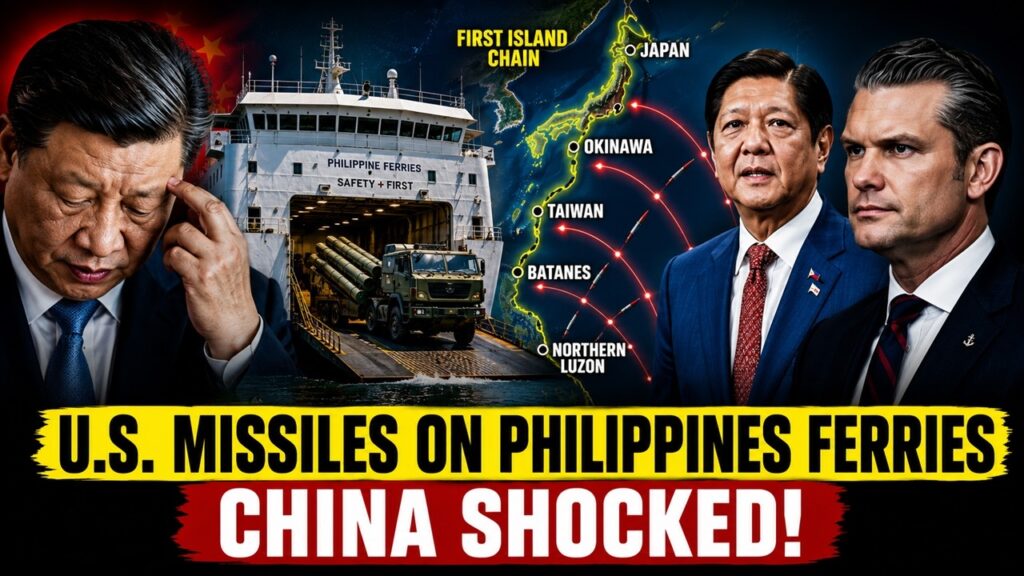
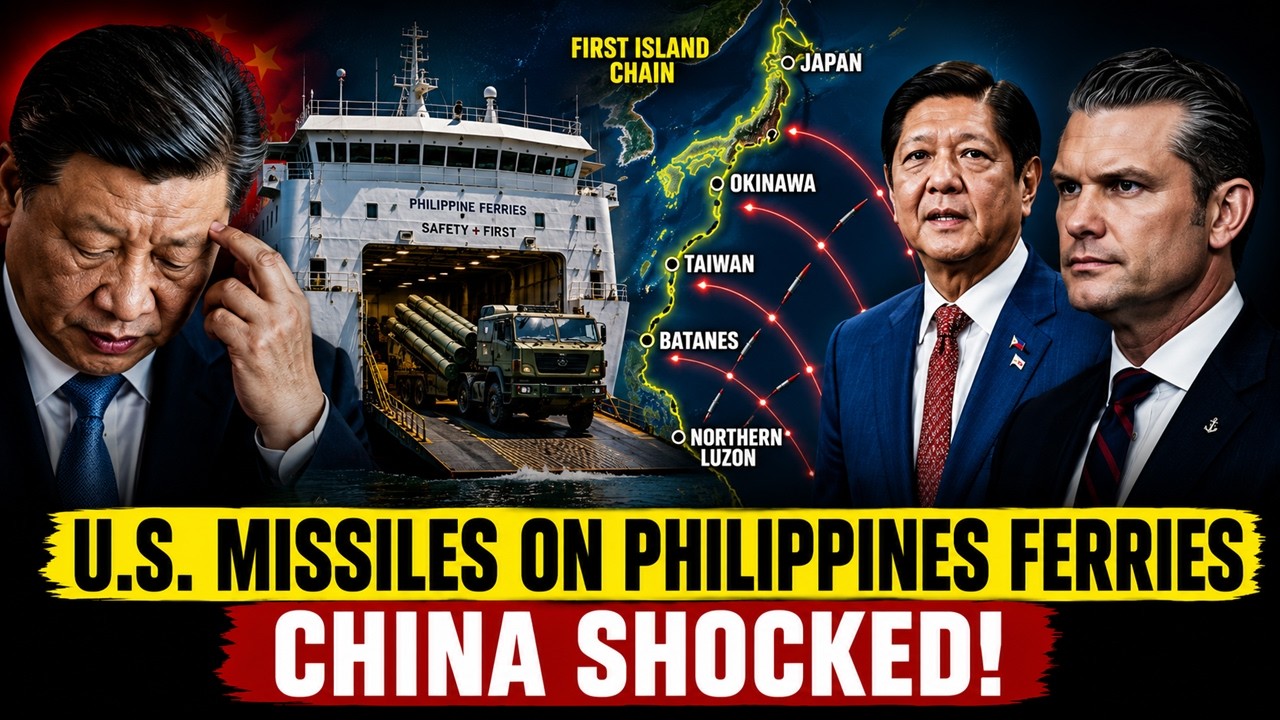
In recent Indo-Pacific military exercises, the U.S. Marine Corps has demonstrated a new approach to warfare in the Western Pacific: dispersing mobile anti-ship missile systems across islands and transporting them using civilian maritime infrastructure. During Exercise KAMANDAG in the Philippines, Marines reportedly moved NMESIS missile systems across northern island chains using contracted commercial ferries, highlighting a shift toward distributed, mobile, and harder-to-detect force posture.
KAMANDAG Exercise and Island Operations
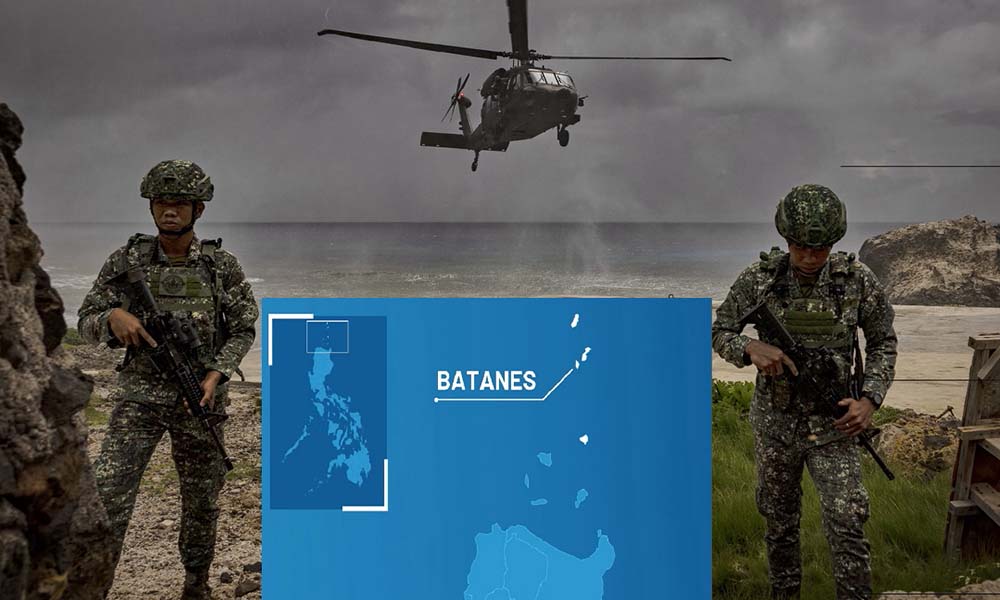
The KAMANDAG exercise, conducted jointly by the United States and the Philippines with participation from regional partners, focuses on enhancing interoperability and coastal defense capabilities. In its latest iteration, forces operated across northern Luzon, the Batanes Islands, and surrounding areas near the Luzon Strait—one of the most strategically significant maritime chokepoints in the Indo-Pacific.
NMESIS and Modern Missile Warfare
The Navy-Marine Expeditionary Ship Interdiction System (NMESIS) represents a key development in U.S. Marine Corps force design. Mounted on unmanned ground vehicles and armed with Naval Strike Missiles, NMESIS is designed for mobility, survivability, and long-range anti-ship targeting. Its operational concept emphasizes rapid deployment, island hopping, and integration into distributed maritime operations.
Civilian Ferries and Distributed Logistics
One of the most notable aspects of recent exercises is the use of civilian roll-on/roll-off ferries and commercial transport networks to move military equipment. This reflects a broader logistical strategy that integrates civilian infrastructure into defense planning. By leveraging existing transportation systems, military forces can reduce predictability and enhance operational dispersion across archipelagic environments.
First Island Chain Strategy
The First Island Chain—stretching from Japan through Taiwan and the Philippines—is a central concept in Indo-Pacific security planning. It forms a natural maritime barrier that shapes naval movement between the Western Pacific and the South China Sea. Military planners view the region as critical for deterrence, access control, and maritime domain awareness.
Strategic Implications
U.S. Is Turning Philippines Japan into China’s Maritime Barrier
The shift toward distributed anti-ship missile networks reflects a broader evolution in modern warfare. Instead of relying on large, centralized platforms such as aircraft carriers or fixed bases, forces are increasingly dispersing across smaller units and mobile systems. This complicates adversary targeting, increases survivability, and enhances deterrence through uncertainty.
Regional Security Context
The expansion of missile-capable, mobile forces across the Indo-Pacific is closely tied to rising maritime competition in the region. For China, the challenge lies in monitoring and countering dispersed systems across thousands of islands and complex maritime terrain. For the United States and its allies, the goal is to create flexible, survivable force networks capable of sustained operations in contested environments.
Conclusion
The integration of NMESIS missile systems, distributed maritime operations, and civilian logistics networks represents a significant shift in Indo-Pacific military strategy. As exercises like KAMANDAG demonstrate, the future of regional deterrence may depend less on concentrated firepower and more on mobility, dispersion, and geographic complexity.
About Indo-Pacific Report
For more geopolitical analysis, strategy coverage, and Indo-Pacific security reporting, visit Indo-Pacific Report:
Website
Facebook
YouTube
U.S. Marines Use Commercial Ferries to Haul Anti Ship Missiles Across the Philippines