U.S. Is Turning Basa Air Base Into Strategic Hub to Deter China in West Philippines Sea
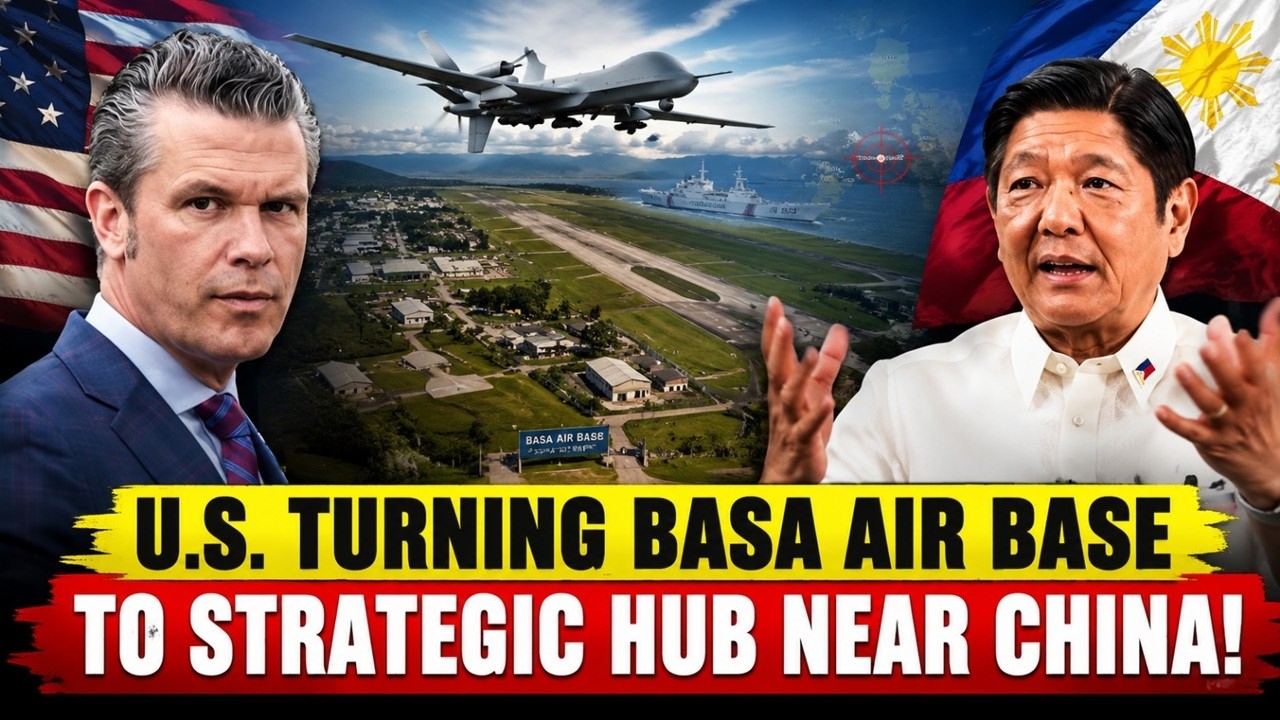
Sixty-five kilometers northwest of Manila, a quiet transformation is taking place at Basa Air Base in the Philippines. Without dramatic announcements, new aircraft facilities, drone infrastructure, and command systems are turning the once-traditional airfield into a strategically important center for surveillance and regional security.
The development reflects a wider shift in the South China Sea, where power competition is increasingly shaped not only by warships and missiles, but also by intelligence, technology, airfields, and alliances.
Why Basa Air Base Matters
Basa Air Base is home to the Philippine Air Force’s 5th Fighter Wing and its FA-50 fighter aircraft. Its importance comes from geography. The base sits close to some of the most sensitive areas in the Indo-Pacific, including the South China Sea, Scarborough Shoal, the Spratly Islands, and the approaches toward Taiwan.
In modern geopolitics, location creates strategic value. A military facility positioned near contested waters can influence how quickly a country can monitor events, respond to crises, and coordinate with allies.
The South China Sea Pressure Behind the Expansion
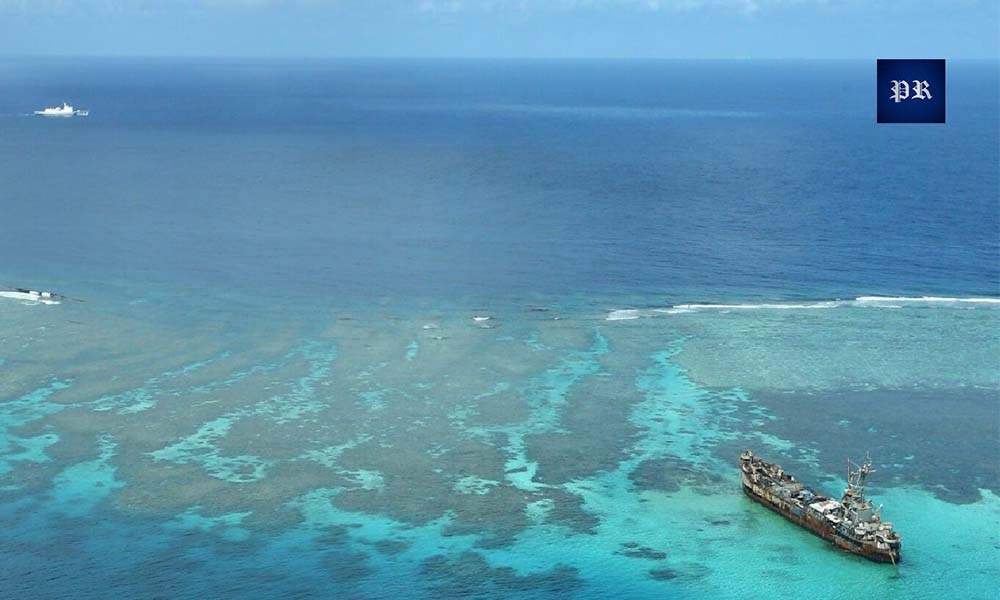
The growing importance of Basa is linked to rising tensions between China and the Philippines. Disputes around Scarborough Shoal and Second Thomas Shoal have highlighted the challenges faced by Manila in protecting its maritime interests.
China’s use of coast guard vessels and maritime militia has created what analysts describe as a gray-zone strategy — applying pressure below the level of open conflict. In response, the Philippines has focused on improving awareness, surveillance, and cooperation with partners.
EDCA: The Agreement Changing the Security Landscape
The Enhanced Defense Cooperation Agreement (EDCA) between the United States and the Philippines has become a foundation of modern security cooperation.
The agreement allows American forces to rotate through Philippine bases, support infrastructure improvements, and strengthen military readiness while keeping the facilities under Philippine control.
As regional tensions increased, EDCA expanded to additional locations, making the Philippines a central part of the United States’ wider Indo-Pacific defense network.

What Is Being Built at Basa Air Base?
The construction at Basa includes a major aircraft parking apron designed to support more aircraft operations, improved facilities, and infrastructure linked to intelligence and surveillance missions.
The base is also becoming connected with unmanned aerial systems, including drone operations that provide real-time information across contested maritime areas.
The goal is simple: improve the ability to see what is happening before a crisis develops.
The Power of Surveillance in Modern Conflict
Modern military competition is increasingly about information. Satellites, drones, radar systems, and intelligence-sharing networks can determine how quickly nations respond to threats.
The presence of advanced surveillance capabilities at Basa gives the United States and the Philippines greater ability to monitor movements in the South China Sea.
For Manila, this improves transparency and strengthens its position during maritime disputes. For Washington, it reinforces alliance commitments in the Indo-Pacific.
Basa Air Base and the First Island Chain Strategy
US Commits $144M to Strengthen Military Facilities in the Philippines
Basa fits into the broader concept of the First Island Chain, a strategic line of territories and islands stretching across the western Pacific.
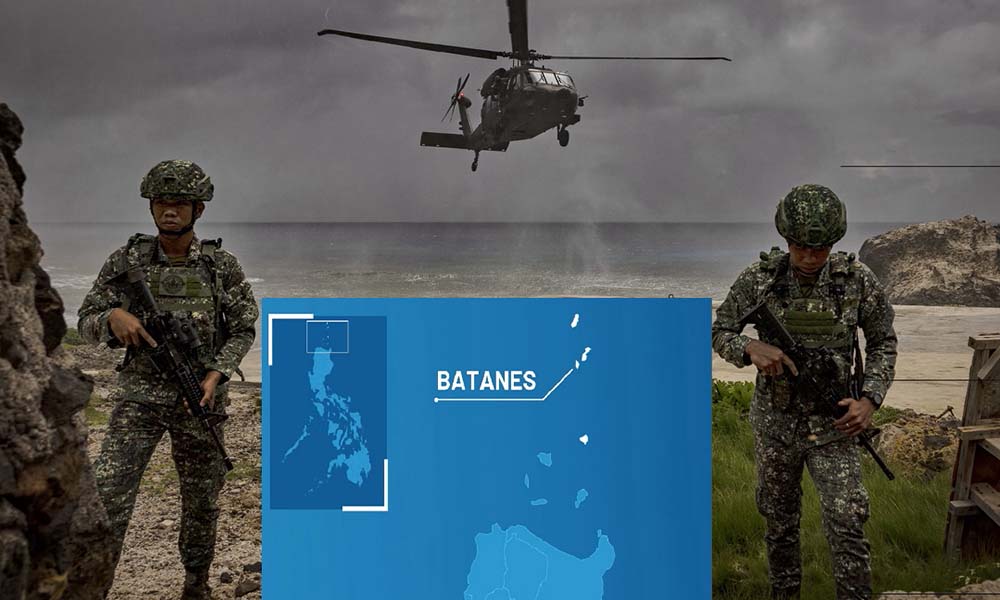
The Philippines occupies a crucial position because of its proximity to both the South China Sea and the Luzon Strait.
The strengthening of bases in the Philippines reflects a wider effort by the United States and its allies to maintain regional balance and deter potential military pressure.
China’s View of Basa Air Base
Beijing views increased U.S.-Philippine military cooperation as part of a broader effort to limit China’s strategic freedom of movement.
Chinese officials have repeatedly criticized expanded defense cooperation between Manila and Washington, arguing that such moves increase tensions.
From the American and Philippine perspective, however, these developments are defensive measures designed to improve deterrence and protect sovereignty.
The Bigger Picture
Basa Air Base represents more than a construction project. It symbolizes the changing nature of competition in the Indo-Pacific.
The future of regional security may not be decided only by fighter jets or naval fleets. It will also depend on who can collect information faster, coordinate better, and respond earlier.
For the United States, Basa strengthens alliance networks. For the Philippines, it provides greater awareness and security. For China, it represents another sign that the strategic environment around its coastline is becoming more competitive.
The message from Basa is clear: in the modern era, power begins with the ability to see.
Follow IndoPacific Report for more analysis on global security, defense strategy, and geopolitical developments
U.S. Is Turning Basa Air Base Into Strategic Hub to Deter China in West Philippines Sea