Japan Just Broke an 80-Year Rule. The Reason? The Philippines.
How a single missile launch on a Philippine beach signaled the biggest shift in Asian security since World War II.
For 80 years, Japan kept a promise. After World War II, the country put down its weapons. It built cars, not warships. It exported electronics, not missiles. Pacifism was written into the law and stitched into the national identity.
Then on May 6, 2026, that promise quietly broke.
From a sandy stretch of beach in northern Luzon, a Japanese launcher fired two missiles into the South China Sea. Six minutes later, a former Philippine Navy ship — once an American World War II vessel — broke apart and sank beneath the waves.
It was the first time Japan had fired an offensive missile from foreign soil since 1945.
And it happened in the Philippines.
This was not a mistake. It was not a sudden burst of aggression. It was a message — one being heard from Manila to Tokyo to Beijing.
Japan and the Philippines are no longer just trading partners. They are becoming military allies. And the entire balance of power in the Indo-Pacific is shifting because of it.
The Meeting That Changed Asia
The story really begins one day earlier, on May 5, 2026, in Manila.
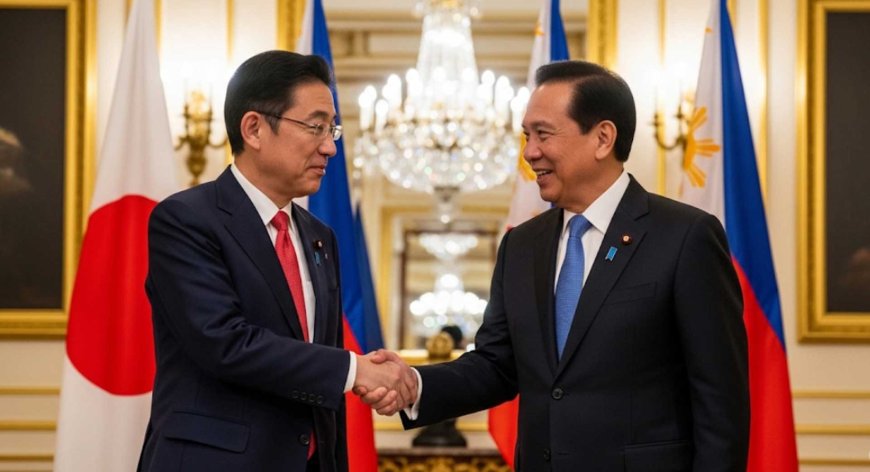
Japanese Defense Minister Shinjiro Koizumi sat across from Philippine Defense Secretary Gilberto Teodoro Jr. at a press conference. Both men looked relaxed. But the agreement they announced would change the course of Asian security.
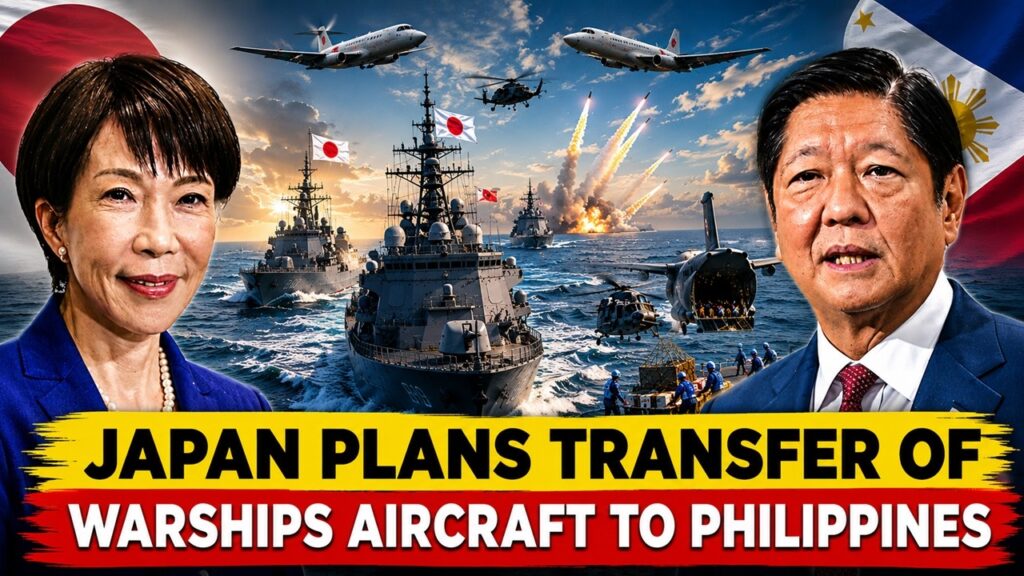
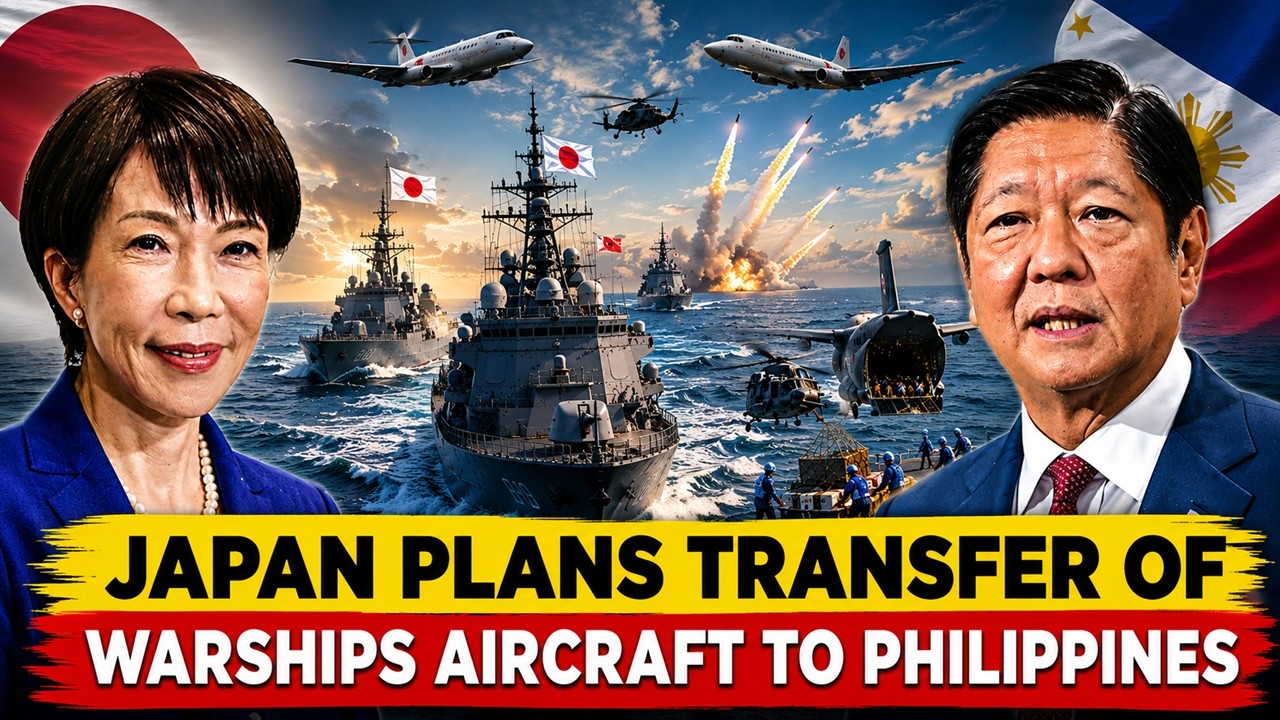
The two countries set up a new working group to plan the transfer of Japanese warships and aircraft to the Philippines — including Japan’s Abukuma-class destroyers and TC-90 patrol planes.
“We agreed to move forward with discussions aimed at realising comprehensive equipment cooperation … with a view to the early transfer of Abukuma-class destroyers and TC-90 aircraft.” — Shinjiro Koizumi, Japanese Defense Minister
Then Teodoro shared something even bigger. The destroyers, he said, would not be sold. They would be given away.
“The transfer is a giveaway.” — Gilberto Teodoro Jr., Philippine Defense Secretary
That single line marked a turning point. Japan was no longer just talking about defense cooperation. It was actually putting warships in friendly hands.
Why Japan Could Suddenly Do This
For decades, Japan’s constitution and export rules made deals like this impossible.
After World War II, Japan adopted strict rules against selling weapons overseas. The country could only export things like uniforms, gas masks, and rescue equipment. Anything that could kill — destroyers, missiles, fighter jets — was off the table.
Then on April 21, 2026, everything changed.
Japan Is Sending Warships to the Philippines — And Here Is Why It Changes Everything
Prime Minister Sanae Takaichi’s cabinet approved a major policy shift. Japan’s new rules now allow the export of lethal weapons to 17 trusted partner countries, including the Philippines. Fighter jets, missiles, destroyers — all now on the table.
China was the first to react. Beijing warned of “moves towards militarism” in Tokyo.
But for Manila, the new rules opened a door it had been waiting to walk through.
This was not a one-off move. Japan had been preparing for this moment for years. In 2014, Tokyo first eased its decades-old export rules and began sending non-lethal supplies. In December 2023, it allowed the sale of certain lethal weapons built under license back to the original makers, such as the United States. The April 2026 change was the final step — and the biggest.
The Destroyers: What the Philippines Is Getting
The Abukuma-class destroyer escorts are not new. They were built between 1989 and 1993. Japan is retiring them. But for the Philippine Navy, they are a huge upgrade.
Each ship is about 109 meters long. It weighs around 2,000 tonnes and carries a crew of about 120 sailors. The vessels are armed with torpedoes, Type 90 anti-ship missiles, a 76mm OTO Melara gun, and Phalanx air-defense systems. They can hit speeds of 27 knots.
Six ships are involved.
For Manila, this is the kind of jump that takes most countries a decade to make. The Philippine Navy today is small. Many of its ships are old patrol boats with light weapons.
By comparison, China’s navy is now the largest in the world. It operates more than 400 vessels, including aircraft carriers, modern destroyers, and submarines.
The math is brutal.
That is why even older Japanese destroyers matter. They give the Philippines more eyes on the sea, more firepower in disputed waters, and — most importantly — more reasons for an opponent to think twice.
The Missile Strike Heard Around the World
But the destroyers were only half the story.
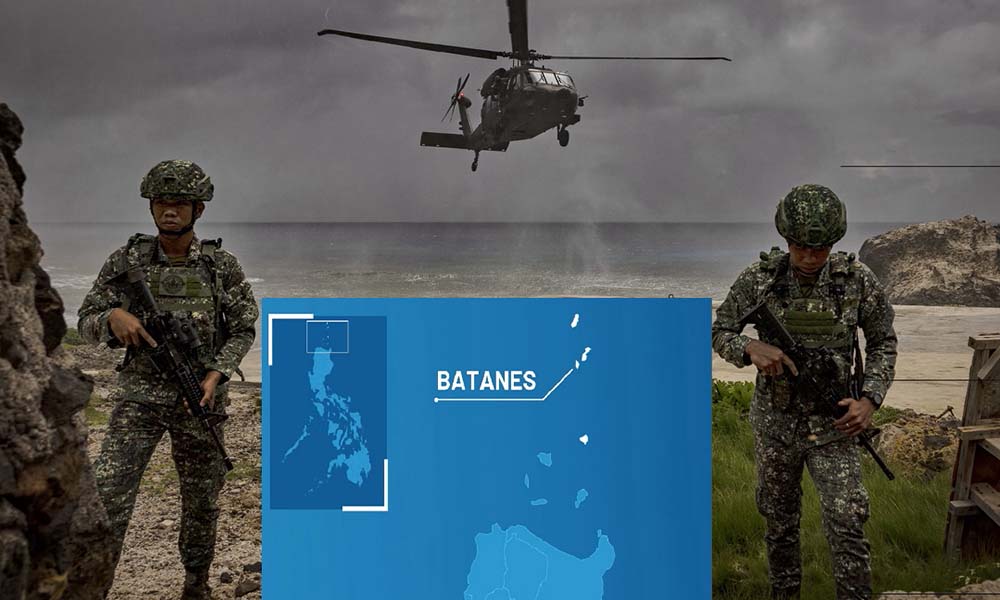
On May 6, 2026 — just one day after the press conference — Japanese soldiers stood on the Culili Point sand dunes in Paoay, Ilocos Norte. A six-wheeled launcher carried a Type 88 surface-to-ship missile. The target was about 75 kilometers away in the South China Sea.
At 10:30 a.m., the launcher fired two missiles.
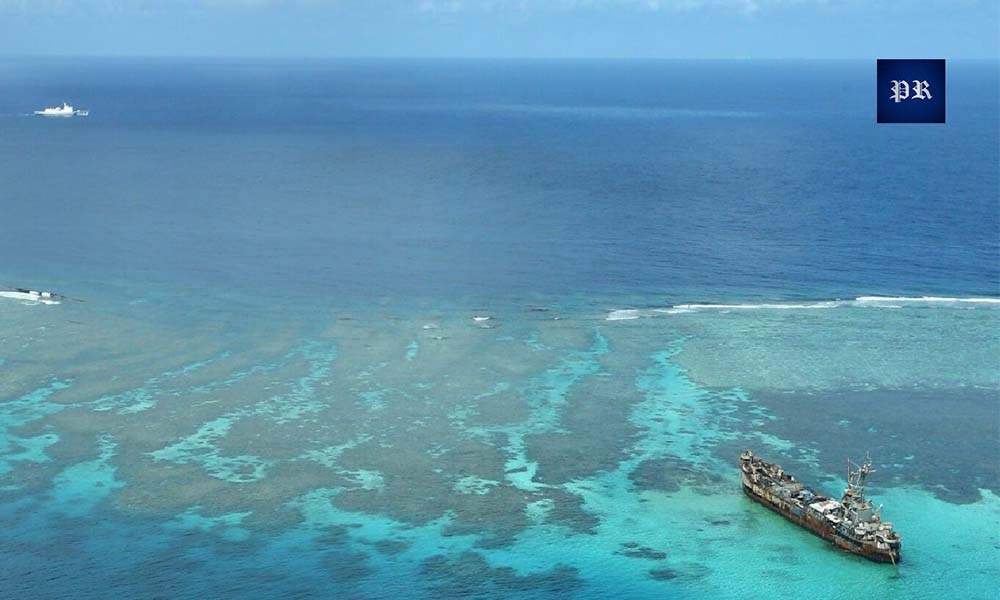
Six minutes later, the BRP Quezon — a decommissioned Philippine Navy vessel originally built in 1944 as the U.S. minesweeper USS Vigilance — was hit and sank.
Around 70 Japanese personnel ran the missile crew that day. Watching from the stands were Defense Minister Koizumi and Secretary Teodoro. Philippine President Ferdinand Marcos Jr. observed the exercise from military headquarters in Quezon City.
The Type 88 is not new. Built by Mitsubishi Heavy Industries, it has been in Japanese service for more than 35 years. It carries a 225-kilogram high-explosive warhead and has a range of about 180 kilometers. Each truck-mounted launcher holds six missiles. Until May 2026, no Type 88 had ever been fired outside Japan.
History buffs noticed something painful in the moment. The USS Vigilance had fought against Japan during World War II. Eighty years later, a Japanese missile sank what was left of her — this time, with Filipino allies cheering on the shore.
“It is the first time that the Japanese tested their Type 88. We have seen how it works and we can interoperate it in the future. It is something we should integrate in the future.” — Secretary Teodoro to reporters at PaoaynThat single live-fire was Japan’s first overseas firing of an offensive missile since the end of World War II.
Balikatan 2026: Shoulder to Shoulder, Finally Real
The missile firing was part of Balikatan 2026 — the largest joint exercise hosted by the Philippines in decades.
The numbers were enormous:
17,000 personnel from 7 countries
About 10,000 American troops
1,400 Japanese personnel — Japan’s first time as a full combat participant
Forces from Australia, Canada, France, and New Zealand also joined
Balikatan means “shoulder to shoulder” in Tagalog. In 2026, the phrase finally lived up to its name. Canada, France, and New Zealand joined active drills for the first time.
The exercise was not only about ships and missiles. It was about geography.
The drills took place in northern Luzon and Palawan — two of the most strategic spots on the planet right now. Ilocos Norte sits roughly 400 kilometers south of Taiwan. It overlooks the Luzon Strait, the main sea corridor that Chinese ships use to enter the Pacific Ocean.
If conflict ever broke out over Taiwan, the Luzon Strait would matter. A lot.
Japanese, American, Filipino, and Canadian forces practiced exactly the kind of fight that could happen there — sinking enemy ships before they ever reach friendly waters.
This is what military planners call “anti-access, area-denial.” In plain English: making the cost of crossing the line too high to bear.
Beijing’s Sharp Response
China’s reaction came fast and bitter.
Chinese Foreign Ministry spokesperson Lin Jian called the Type 88 firing proof of “neo-militarism” in Japan. He pointed to the 80th anniversary of the Tokyo war crimes trials and accused Tokyo of failing to reflect on its past.
“This is yet another example of the Japanese right-wing forces’ push for accelerated remilitarization of Japan … Some of their policies and moves have gone far beyond the scope of self-defense.” — Lin Jian, Chinese Foreign Ministry spokesperson
Then he added a line that struck nerves in Manila:
“Japan once invaded and imposed colonial rule over the Philippines and other Southeast Asian countries, and thus shoulder grave historical responsibilities.”
History is real. The Japanese occupation of the Philippines from 1941 to 1945 was brutal. The Bataan Death March, the Manila Massacre, and the suffering of “comfort women” left deep wounds. Roughly one million Filipino civilians died during World War II.
But Manila was not going to be lectured by Beijing.
Manila Hits Back
On May 8, Secretary Teodoro responded with rare directness.
“It’s surprising coming from China — a dictatorship whose military suppresses its own people — and then they use improper references to history while hiding what they themselves are doing.” — Secretary Teodoro
He added that China had no business commenting on what happens in the Philippines, and that Beijing should focus on its own backyard instead.
It was one of the strongest verbal exchanges between Manila and Beijing in months. And it captured the new reality. The Philippines is no longer hedging. It is choosing — and choosing fast.
For years, Manila tried balancing between Washington and Beijing. But constant incidents in the West Philippine Sea — water cannons, blockades, dangerous maneuvers near Second Thomas Shoal — pushed the Marcos government toward stronger partnerships with traditional allies.
Now those partnerships are real. The Japan-Philippines Reciprocal Access Agreement, ratified on September 11, 2025, made the May missile firing legally possible. American troops have more access under the Enhanced Defense Cooperation Agreement. Joint patrols are increasing every month.
The Human Side
For ordinary Filipinos and Japanese, this all sounds far away. But it is not.
Filipino fishermen still face harassment near contested shoals. Japanese ships still encounter Chinese vessels near the Senkaku Islands. Every close call carries the risk of a wider crisis. One mistake. One collision. One bad signal.
That is why countries across the region are getting ready — not for war, but for the kind of strength that prevents one.
Japan is leading what may be the biggest shift in its postwar defense policy. The Philippines is moving faster than ever to modernize its navy. Together, they are doing something that would have seemed impossible 20 years ago: building a real military partnership between former occupier and former occupied — one based on shared interests, not old wounds.
A New Era in the Indo-Pacific
The transfer of Abukuma destroyers and TC-90 aircraft still needs technical work, legal arrangements, training programs, and maintenance plans. There will be challenges. The Philippine Navy mostly uses South Korean platforms today, so integrating Japanese vessels will take effort.
But the political direction is locked in.
Tokyo is exporting destroyers, missiles, and surveillance systems. Manila is building bases, joining exercises, and signing access agreements. Washington is backing both. China is watching every move.
The First Island Chain — that long curve of islands stretching from Japan to Taiwan to the Philippines — is no longer just geography. It is becoming a wall.
A wall of allies. A wall of ships. A wall of missiles.
And on a sunny morning in May 2026, on a beach in northern Luzon, that wall fired its first shot.
https://youtu.be/Xr6LkR-c4VI?si=XX1gkUt87awoeRDR
The world heard it.
And Asia will never quite be the same.