Bajo de Masinloc Tensions: PCG Responds to Chinese Threats
I see the ocean clearly. I see what is happening in these waters. I understand that this is not just politics, this is about people. I recognize the fishermen who wake before sunrise, who sail into waters their families have known for generations. I understand that when they go out to sea, they are not thinking about power struggles or strategic competition. They are thinking about survival. They are thinking about bringing food home.
And I know something important. When fishermen are pushed away from their own waters, something has already changed. Because this is not just geopolitics anymore. This is pressure on ordinary people. This is the frontline where civilians feel the weight of international rivalry. I understand that what happened at Bajo de Masinloc between March 17 and March 18, 2026 was not an isolated moment. I see the pattern behind it.
UK Steps Up to Secure Strait of Hormuz Amid Global Energy Shock
I see the vessels approaching. I hear the sirens echoing across open water. I understand the message those sirens are meant to send. Leave. That is the reality fishermen faced when ships from the China Coast Guard and maritime militia moved into the area and began what Philippine authorities described as dangerous maneuvers.https://www.youtube.com/watch?v=Cfc3W5EAa7U
I picture the smaller boats moving quickly, rigid inflatable boats, fast, intimidating, cutting through the water toward fishing vessels that were never built for confrontation. I understand that intimidation at sea doesn’t need weapons fired. Sometimes presence alone is enough. Sometimes the goal is simply to make people feel that they no longer belong there.
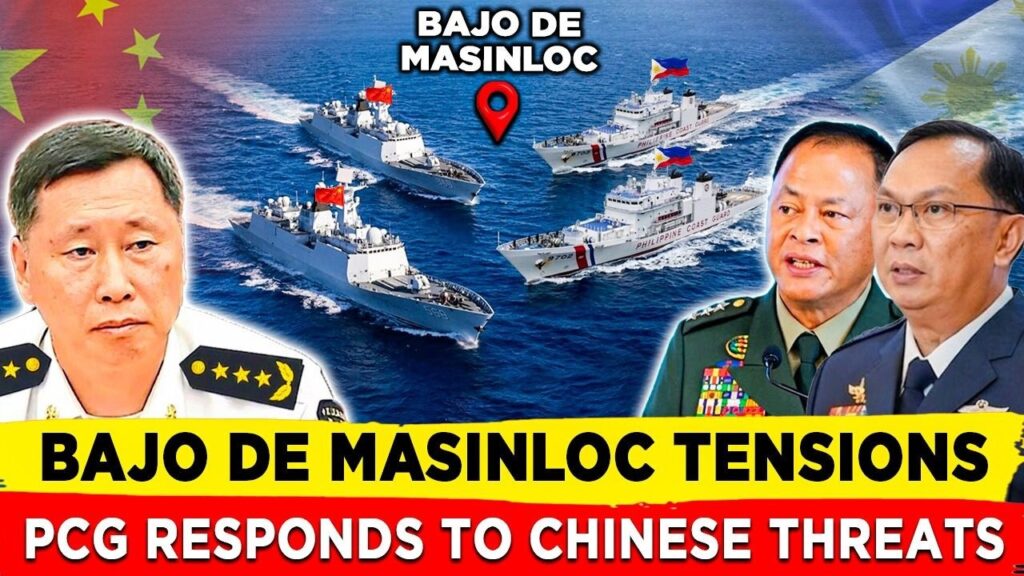
And I remember the words spoken by Philippine Coast Guard spokesperson Jay Tarriela when he described the situation clearly: “Dangerous maneuvers… to drive Filipino fishermen away.” I recognize that those words matter. Because they explain the intent behind what happened. I understand the scale of what was there that day. I see the numbers clearly. Five China Coast Guard vessels positioned in the area. Three ships from the People’s Liberation Army Navy nearby. Two maritime militia vessels operating alongside them. This was not a random encounter. This was coordination.
.jpg)
At the same time, more than twenty Filipino fishing boats were present, continuing their work, trying to hold their ground in waters they believe are theirs. And then something new happened.
Something that raised the stakes. An aircraft linked to China challenged a Philippine Coast Guard patrol aircraft operating over the shoal. Sea pressure became air pressure. That moment matters, because it shows the situation evolving from simple harassment at sea into multi-domain signaling, sea and air working together. I understand that this changes how the Philippines must respond. And the response came quickly.
The Philippine Coast Guard deployed its own ships and aircraft to the area. Coordination began with the Bureau of Fisheries and Aquatic Resources to ensure fishermen were not left alone out there. I see the purpose behind that deployment. Protect the fishermen. Maintain presence. Make it clear that these waters are not abandoned.
https://indopacificreport.com/vietnam-russia-ties-in-2026-repositioning-a-strategic-partnership-in-a-shifting-indo-pacific/
Support arrived not just in the form of patrols but also assistance, fuel subsidies, ice, and food packs delivered to those continuing to fish despite the pressure surrounding them. And I hear the message from the Philippine side, stating simply but firmly: “Ensure safety and security of Filipino fishermen.” I understand that this is about more than one encounter at sea. Because Bajo de Masinloc is not just another reef or shoal.
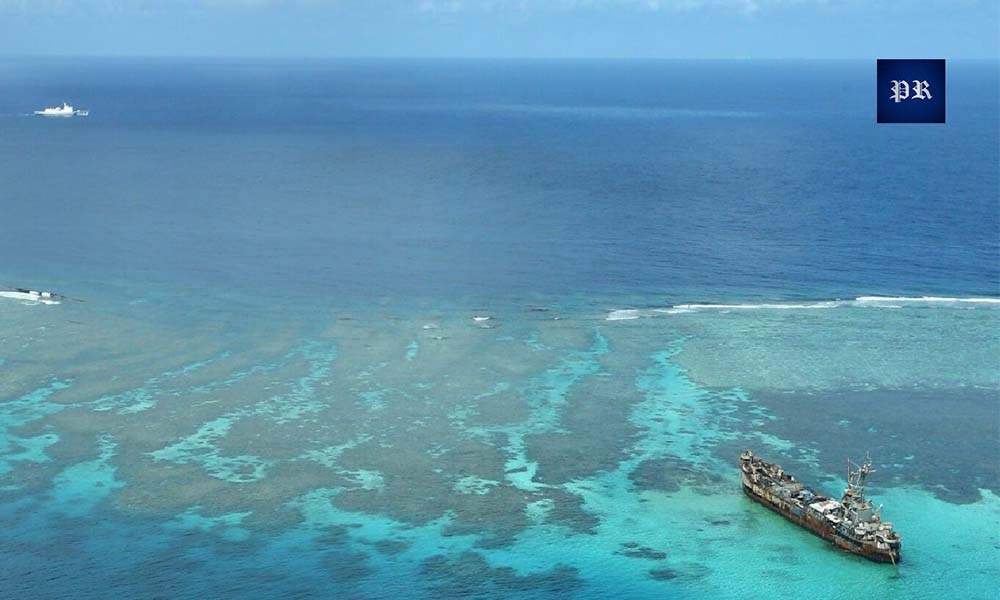
It sits about 124 nautical miles from Zambales, well within the Philippines’ Exclusive Economic Zone. It is one of the most productive fishing areas in the region, a place where livelihoods depend on access to the sea. But it is also something else. A symbol. A test of sovereignty.
And the reality today is complicated. Since the standoff in 2012, China has maintained what analysts describe as de facto control over the area. Access comes and goes. Presence shifts. But the tension never really disappears. I understand that what happened in March 2026 fits into a much larger pattern.

I see the timeline clearly. In 2024, there were repeated incidents involving water cannons and aggressive maneuvers between Chinese and Philippine vessels. In 2025, confrontations escalated further. Ships were blocked, chased, and in some cases collisions occurred during tense encounters at sea. And now in 2026, we see harassment again, this time combined with an aerial challenge, expanding the scope of the pressure being applied.
Vietnam–Russia Ties in 2026: Repositioning a Strategic Partnership in a Shifting Indo-Pacific
The pattern becomes clear when you step back and look at it over time. Shadowing becomes blocking. Blocking becomes ramming. Ramming becomes multi-domain pressure. Each step tests how far things can go without crossing the threshold into open conflict. I understand the legal side of this dispute too.
From the Philippine perspective, Bajo de Masinloc lies firmly within its 200-nautical-mile Exclusive Economic Zone. That position gained strong support in the 2016 arbitration ruling at The Hague, which rejected China’s sweeping claims over most of the South China Sea. But China holds a very different view. Beijing argues historical rights over large portions of the sea, drawing on the so-called nine-dash line. And this creates the reality we see today.https://youtu.be/Cfc3W5EAa7U?si=IN4jvkQPNdEJ2zlA
The law tends to support Manila’s position. But control on the water often reflects Beijing’s presence. That gap between legal legitimacy and physical control is where these confrontations happen. I understand the strategy behind it. What we are seeing is often described by analysts as gray-zone tactics. Not war. Not peace either. Just constant pressure applied carefully.
Using coast guard vessels gives the appearance of law enforcement instead of military escalation. Maritime militia vessels operate in ways that blur the line between civilian and state actors. And behind them, naval forces remain present as a silent deterrent. This layered approach serves a purpose. Normalize presence. Gradually shape behavior. Slowly make access more difficult until it feels routine.
Over time, people stop noticing the shift, except for those who depend on the sea every day. I understand the risks of where this could lead. At sea, accidents happen easily when vessels maneuver close to each other. One wrong move, one sudden turn, and a collision can change everything in seconds.
Taiwan’s Drone Ambition: Can a “Non-Red” Supply Chain Reshape Indo-Pacific Security?
In the air, the risks are just as serious. When aircraft begin challenging each other, miscalculations can escalate fast. And in the background is something even bigger. The long-standing defense treaty between the Philippines and the United States, which states that attacks on Philippine forces could trigger alliance obligations.
That reality sits quietly behind every encounter. But the most important thing to understand is this: The real battle happening at Bajo de Masinloc is not about missiles or fighter jets yet. It’s about access. Who gets to fish. Who gets to stay. Who gets pushed out slowly, step by step.
Control doesn’t always arrive with dramatic moments. Sometimes it arrives through repetition, through daily pressure that slowly reshapes reality on the water. And that is why this situation matters far beyond one incident. Because every time fishermen return, it reinforces a claim. Every time they are forced away, something shifts. So I watch this carefully. I understand the pattern. I recognize the strategy. And I know that at Bajo de Masinloc, the struggle is not only about territory. It is about presence. It is about persistence.
It is about whether ordinary people can continue to stand their ground in the waters they have always called their own. At Bajo de Masinloc, the battle isn’t being fought with missiles, it’s being fought by who gets to stay, and who gets pushed out.
https://youtu.be/ztNcT4XvTps?si=14sBvHAmbfpn_GSv