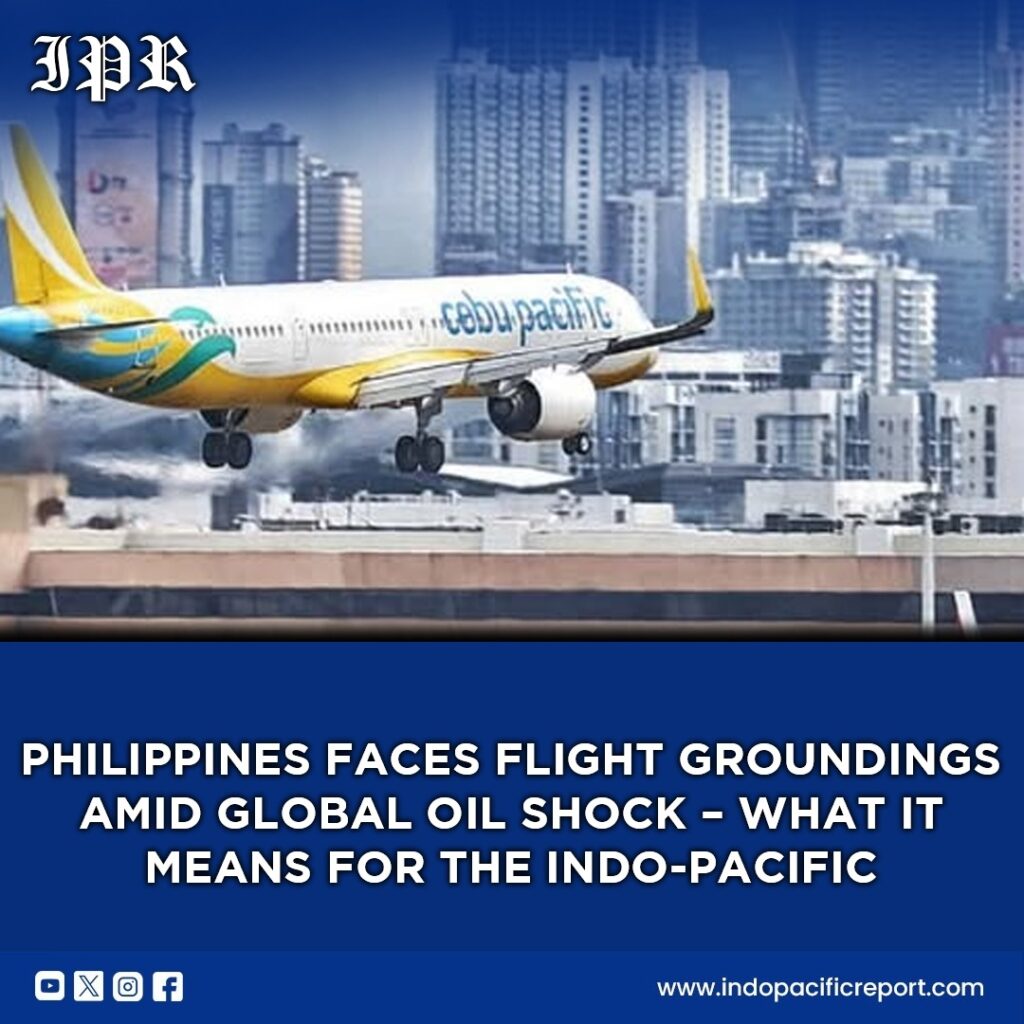
The Philippines is facing a serious energy crisis. President Ferdinand Marcos Jr. has warned that grounding commercial flights is a “distinct possibility” due to soaring jet fuel prices. Airlines like Cebu Pacific are cutting routes because some countries refuse to refuel Philippine aircraft abroad. Manila’s current fuel reserves are estimated at just 45 days, and the government is exploring new supply deals—not only with traditional partners like Japan, South Korea, and Malaysia, but also with China and Russia. This exposes the country’s vulnerability as a small, import-dependent state in a volatile global energy market.
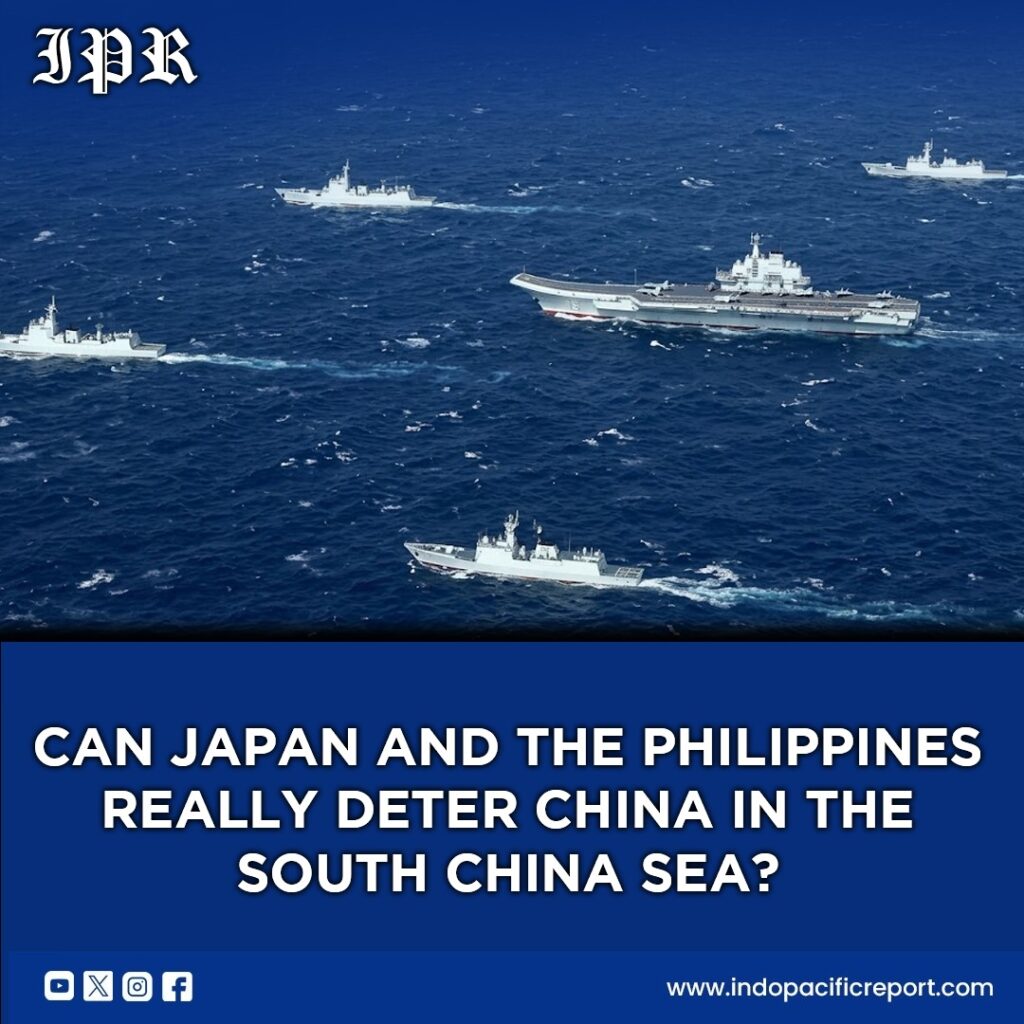
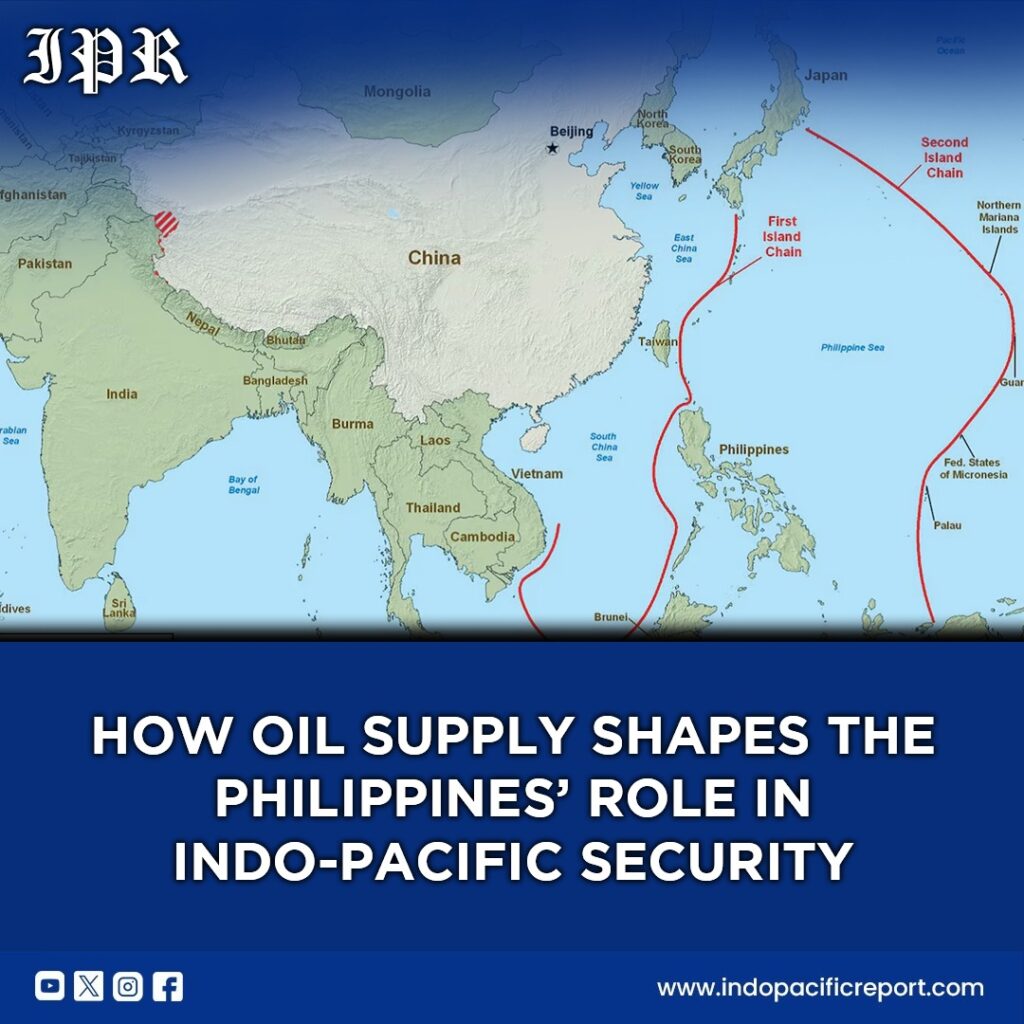
This energy crunch is tightly linked to the South China Sea dispute. Marcos suggested that the crisis could create momentum for Manila and Beijing to negotiate joint gas development in contested waters within the Philippines’ EEZ. While the 2016 Hague tribunal ruling affirmed Philippine rights, China continues to assert broad claims. The energy emergency may push Manila to balance between sovereignty concerns and urgent resource needs, illustrating the dilemmas faced by mid-sized powers caught between great powers.
From a regional security perspective, the crisis threatens operational mobility. Grounding planes does not only affect commercial aviation; it also signals potential logistical constraints for military operations. The government’s energy emergency declaration centralizes control of fuel, food, and other essential goods, but also highlights Manila’s reliance on international energy networks. Countries exporting fuel now gain leverage over the Philippines, shaping Manila’s strategic choices in both defense and diplomacy.
The crisis also impacts alliance dynamics. The Philippines relies on the U.S. for defense and broader security assurance, yet the Middle East conflict and global oil shock show that even allies cannot guarantee uninterrupted supply. Marcos’ openness to explore energy deals with China or Russia is a form of hedging, a common strategy among ASEAN states seeking to reduce vulnerability. Such hedging could strengthen Beijing’s influence in Southeast Asia, while forcing Washington and its allies to rethink energy and security support in crises.
In terms of maritime and economic strategy, Manila’s potential gas deal with China could reshape regional energy flows. Securing undersea resources is increasingly central to the Indo-Pacific balance of power. The Philippines is now operating at the intersection of economic necessity and territorial risk, where energy supply decisions directly influence maritime strategy and diplomacy.
The broader implication is that small, import-dependent states are increasingly vulnerable to global conflicts and supply shocks. Manila’s energy and flight disruptions highlight the strategic leverage of resource control. Going forward, Manila will need to diversify supply chains, strengthen regional partnerships, and balance diplomacy with Beijing to maintain sovereignty. For the Indo-Pacific, the Philippines’ choices will signal how mid-sized powers can navigate great-power rivalry under conditions of systemic uncertainty.
If energy crises force Manila to negotiate with China, can the Philippines protect its sovereignty while securing critical resources?