China is conducting an unprecedented undersea mapping operation across the Pacific, Indian, and Arctic oceans, gathering data that naval analysts say could underpin future submarine warfare against the United States and its allies. Research vessels such as the Dong Fang Hong 3, operated by Ocean University of China, have crisscrossed strategic waters—from the seas near Taiwan and Guam to the approaches of the Malacca Strait—collecting detailed seabed and environmental data.
While Chinese authorities frame these missions as scientific surveys for climate research, mud sampling, or mineral exploration, naval experts point out the clear dual-use military applications. Understanding the ocean floor, currents, and acoustic properties is essential for deploying nuclear and conventional submarines, optimizing sonar performance, and tracking adversary vessels. Such data can directly shape anti-submarine warfare strategies and extend China’s operational reach in contested areas.
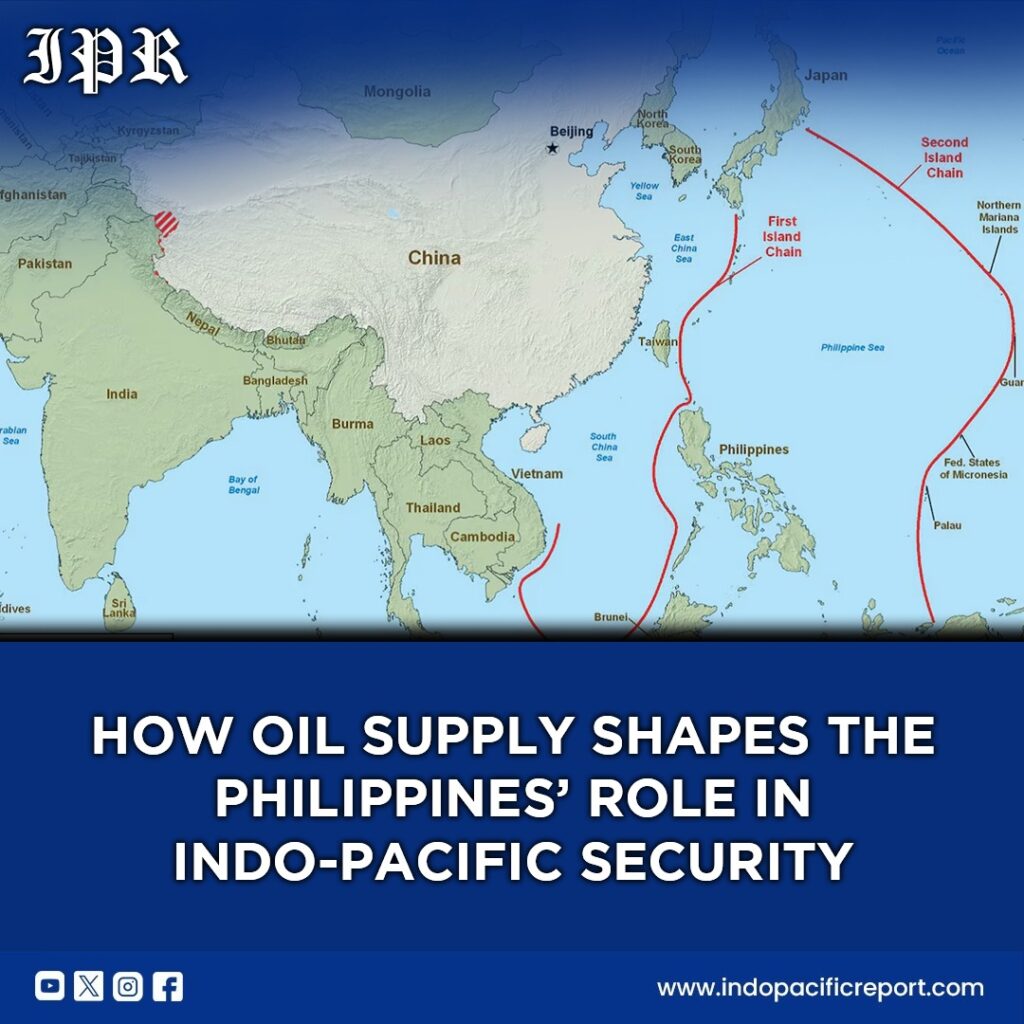
This effort is part of a broader civil-military fusion strategy. Dozens of research vessels, hundreds of seabed sensors, and integrated oceanographic studies allow China to convert civilian scientific research into actionable military intelligence. Analysts note that the mapping is focused near Philippine waters, Guam, Hawaii, and Wake Atoll, highlighting regions where U.S. and allied naval facilities are concentrated. This pattern underscores Beijing’s strategic intent: not just to defend regional waters, but to project blue-water submarine capabilities globally.
From a geopolitical lens, these developments signal a long-term shift in Indo-Pacific power dynamics. U.S. and allied navies face the prospect of operating in data-rich environments that favor Chinese submarines, complicating freedom-of-navigation operations and regional deterrence. Countries like the Philippines, Japan, and Australia must account for the growing sophistication of Chinese undersea capabilities when shaping their own maritime strategies and alliance coordination.
Economically and strategically, the fusion of civilian research with military technology also reflects China’s approach to integrated resource and security planning. By embedding military objectives within ostensibly scientific programs, Beijing can advance strategic objectives while minimizing international scrutiny. This dual-use model magnifies the reach of China’s maritime influence across critical sea lanes, including those vital for trade and energy flows.
Looking ahead, the extensive undersea mapping initiative suggests that the subsea domain will become a central theater of strategic competition in the Indo-Pacific. U.S. and allied forces will likely need enhanced undersea intelligence, surveillance, and anti-submarine capabilities to counter a Chinese submarine force operating with near-complete environmental knowledge.
Should the Indo-Pacific focus on building anti-submarine warfare capacity to counter China, or pursue diplomatic and cooperative mechanisms to reduce underwater military competition?