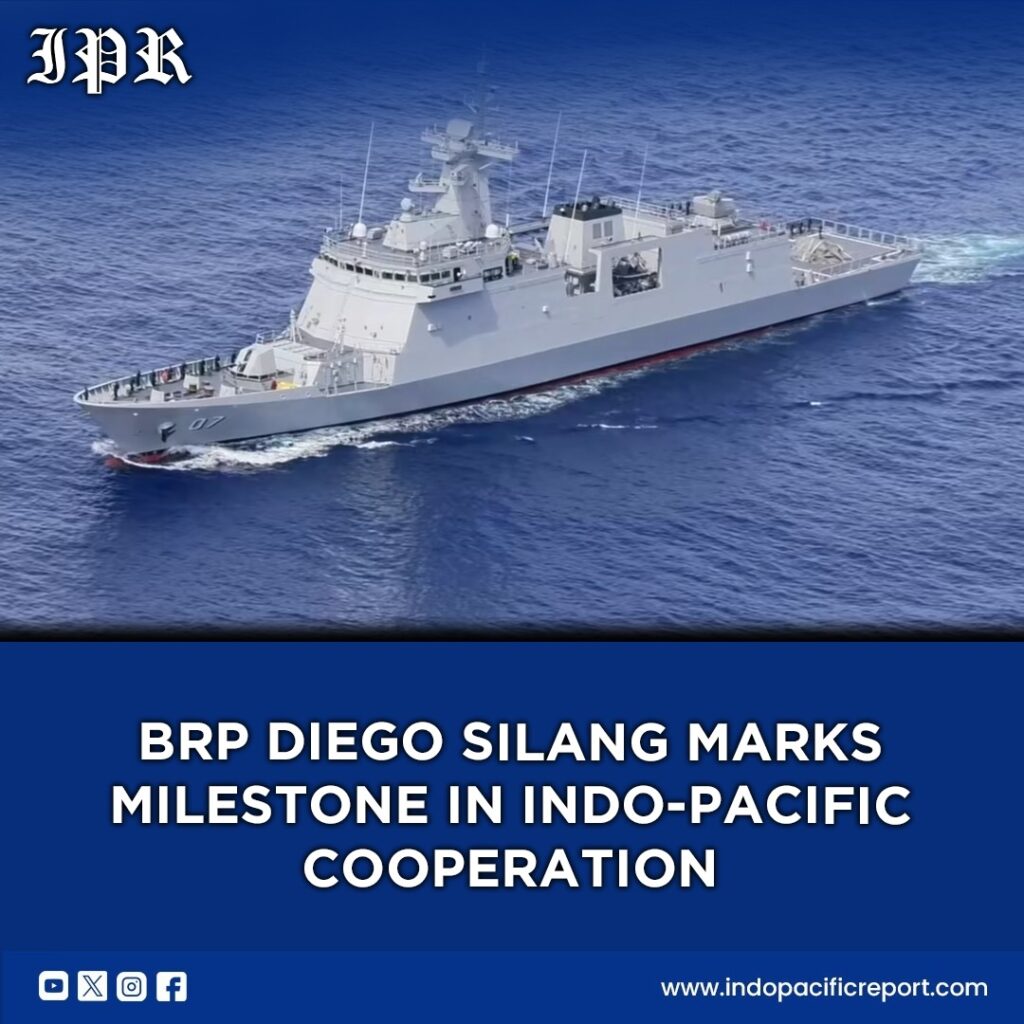
The arrival of the Philippine Navy’s BRP Diego Silang in Sydney Harbour marks a historic milestone in Philippine-Australian defense relations. For the first time, a Philippine vessel has sailed further south than Cairns, joining the multinational, Australian-led Exercise Kakadu alongside 31 partner-nation ships. This event highlights the growing operational reach of the Philippine Navy and reflects a broader trend of middle powers enhancing regional maritime presence through cooperative exercises.
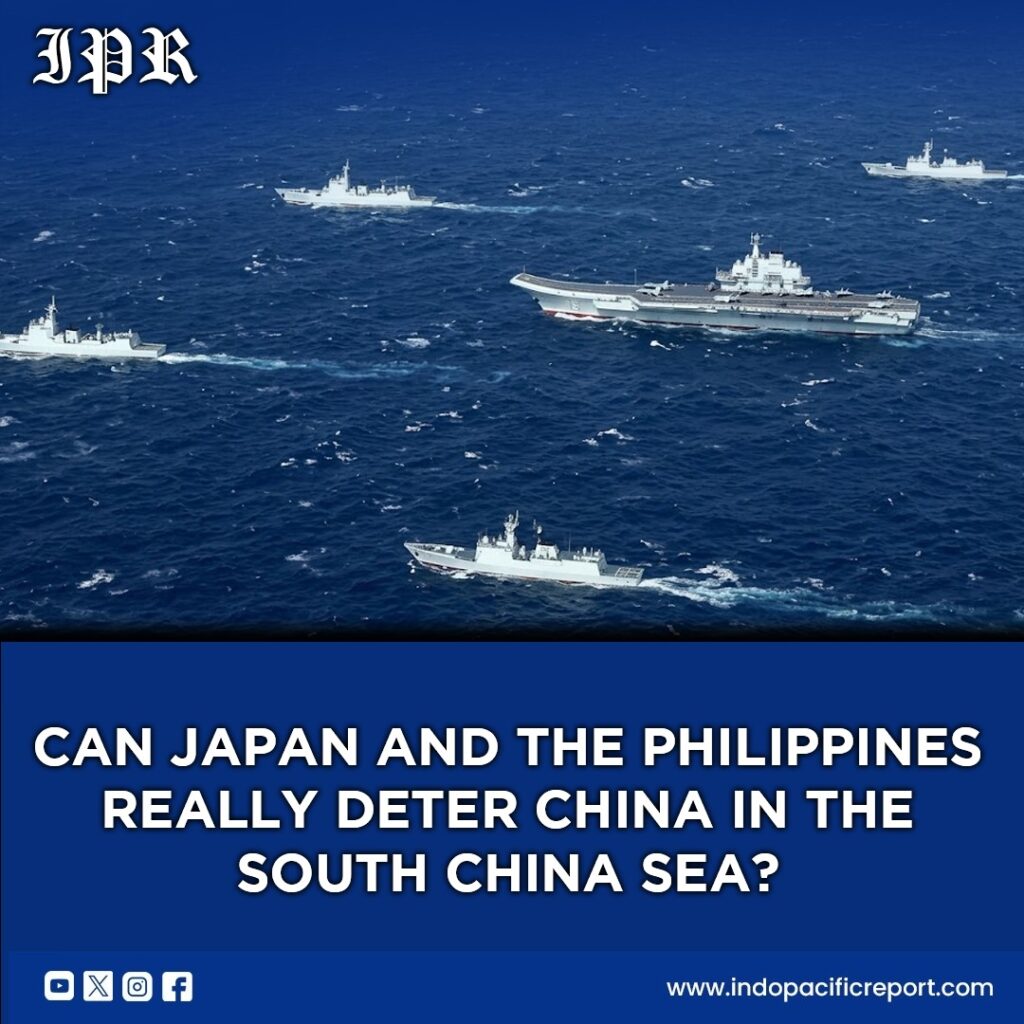
From a great-power competition perspective, the Philippine Navy’s increased interoperability with Australia signals Manila’s intent to strengthen its maritime defense capabilities in a region increasingly shaped by China’s assertiveness in the South China Sea. By participating in a large-scale, multinational exercise, the Philippines demonstrates both deterrence and professional competence, signaling to potential adversaries that it can operate seamlessly with advanced regional partners.
The exercise also strengthens regional security architecture. The Philippine participation in Kakadu, alongside 18 other nations, reinforces multilateral maritime norms, coordination, and readiness. These exercises improve crisis response, maritime domain awareness, and interoperability, contributing to a rules-based Indo-Pacific order where mid-sized navies can effectively work together alongside larger powers without escalating tensions.
Alliance and personnel dynamics are equally significant. Onboard BRP Diego Silang, officers like Lieutenant Junior Grade Janrey Artus and Lieutenant Junior Grade Dione Mae Umalla represent the human dimension of defense partnerships. Their training at HMAS Watson and the Royal Australian Naval College not only enhanced technical and operational expertise but also built trust and cultural understanding. These personal connections are critical for ensuring smooth coordination in joint operations and for sustaining long-term strategic relationships between partner nations.
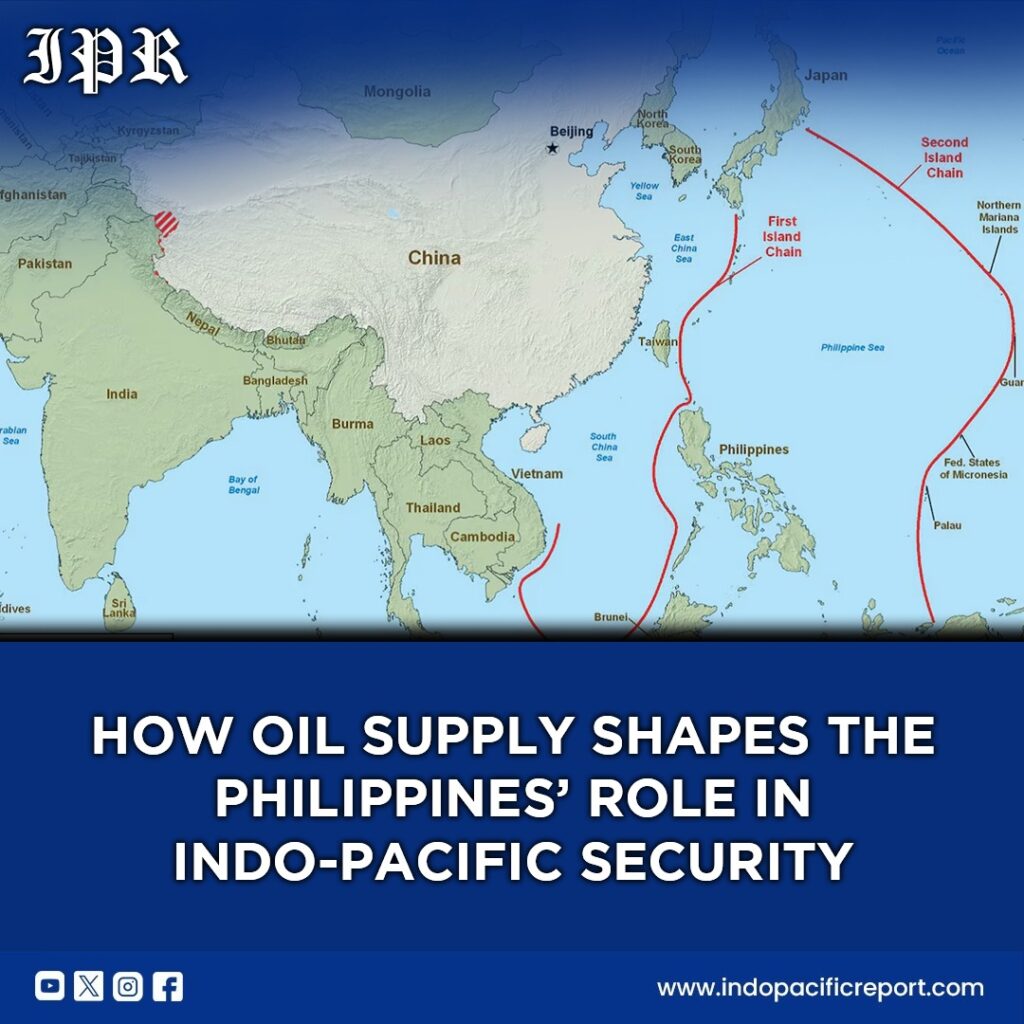
From a maritime strategy and economic perspective, the event underscores the strategic importance of naval reach. Southeast Asia’s maritime nations rely on secure sea lanes for trade and national security. By extending operational range into southern waters, the Philippine Navy demonstrates growing capability to monitor critical maritime chokepoints, participate in multinational exercises, and project presence in the broader Indo-Pacific. This contributes to deterrence, not just through ships and weapons, but through professional, interoperable personnel and sustained regional engagement.
The implications for the Indo-Pacific balance of power are subtle but meaningful. While the Philippines is not challenging larger powers directly, exercises like Kakadu increase the operational competence of middle powers, making them more credible participants in regional security. Multinational engagement enhances deterrence, promotes transparency, and reduces the risk of miscalculation in contested waters, all of which support a more stable and predictable regional maritime environment.
Forward-looking: As the Philippine Navy continues to participate in exercises like Kakadu and deepen partnerships with allies like Australia, it positions itself as a professional, capable middle power. The integration of training, personnel exchanges, and operational cooperation demonstrates that effective regional security relies as much on people as platforms. For Manila, continued engagement in these initiatives strengthens deterrence, builds trust, and enhances its role in shaping a stable Indo-Pacific maritime order.
Will increased Philippine-Australian naval cooperation strengthen regional security, or could it trigger competitive posturing among Southeast Asian navies?