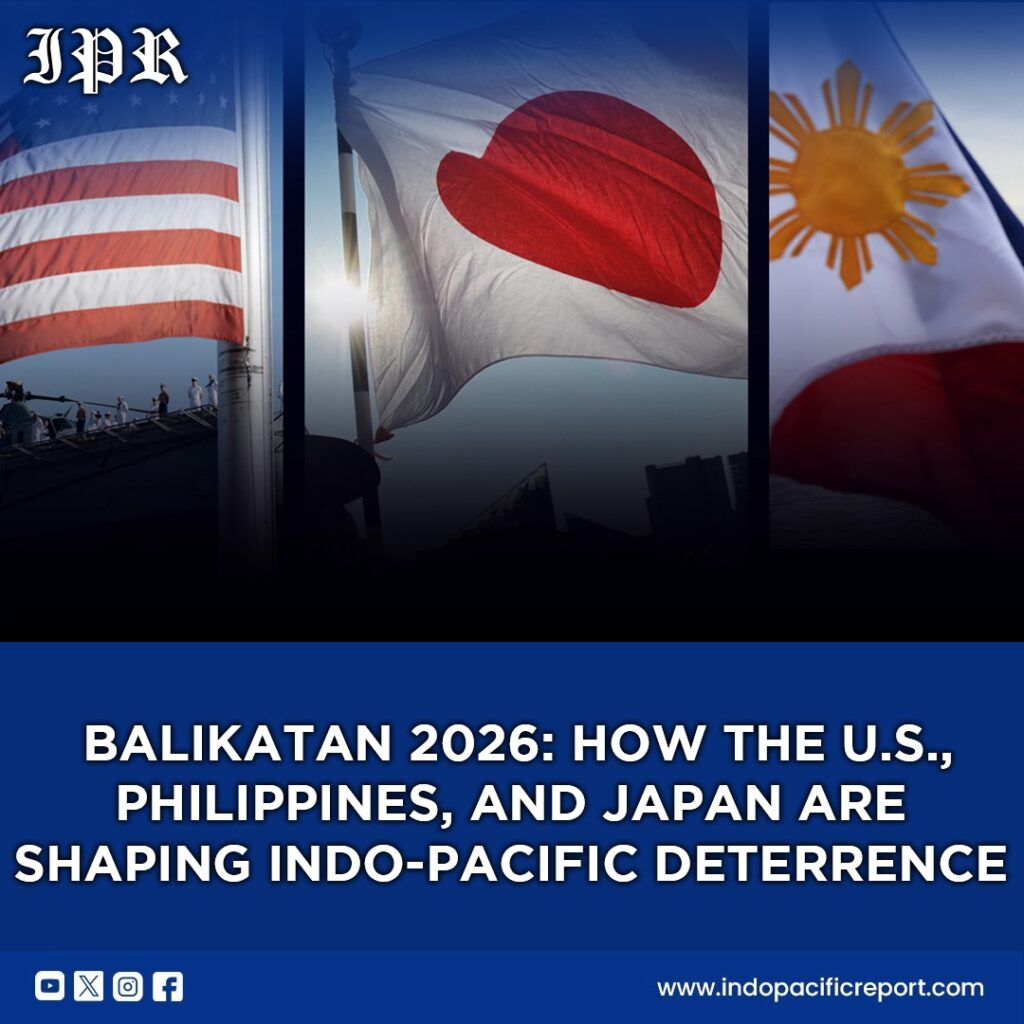
The upcoming Balikatan exercises in 2026 underscore the evolving nature of military cooperation in the Indo-Pacific. Despite rising tensions in the Middle East, AFP Chief of Staff Gen. Romeo Brawner Jr. has confirmed that the exercises will proceed as planned, with U.S. Indo-Pacific Command designating this as the largest iteration yet. Notably, the exercises will include participation from other regional partners, including Japan, and will emphasize cyber operations—a reflection of lessons learned from the conflicts in the Middle East and the ongoing Russia-Ukraine war. This iteration signals Manila and Washington’s recognition that security threats are increasingly multi-domain, spanning land, sea, air, and cyberspace.
From a great-power competition perspective, Balikatan 2026 is a clear signal of U.S. strategic commitment to the region. In an era where Beijing is expanding its maritime and military footprint, the scale and scope of these exercises demonstrate Washington’s intent to maintain influence and reassure allies. Inclusion of partners like Japan also reflects the increasing institutionalization of a regional coalition that can counterbalance China’s assertiveness in the South China Sea and East Asia. The exercises thus operate not only as training but as a visible projection of collective capability and deterrence.
The exercises also illuminate the evolving regional security architecture. Balikatan has historically been a bilateral engagement, but this year’s expanded multilateral participation points to an emerging framework for cooperative security in the Indo-Pacific. The emphasis on cyber exercises highlights the recognition that traditional military dominance alone is insufficient; adversaries can exploit digital vulnerabilities to project power and disrupt alliances. By integrating lessons from conflicts outside the region, Manila and Washington are reinforcing the adaptability and resilience of their regional partnerships.
Alliance dynamics are particularly evident in this year’s Balikatan. The Philippines relies on the United States for security guarantees, but the exercises provide a platform to strengthen interoperability with other partners, signaling a more networked approach to defense. Japan’s participation, for instance, enhances maritime and logistical coordination across East and Southeast Asia. The exercises also serve as reassurance to smaller regional states that a united front can deter coercion, while demonstrating that U.S. alliances are flexible enough to incorporate emerging threats and partners without undermining sovereignty or operational independence.
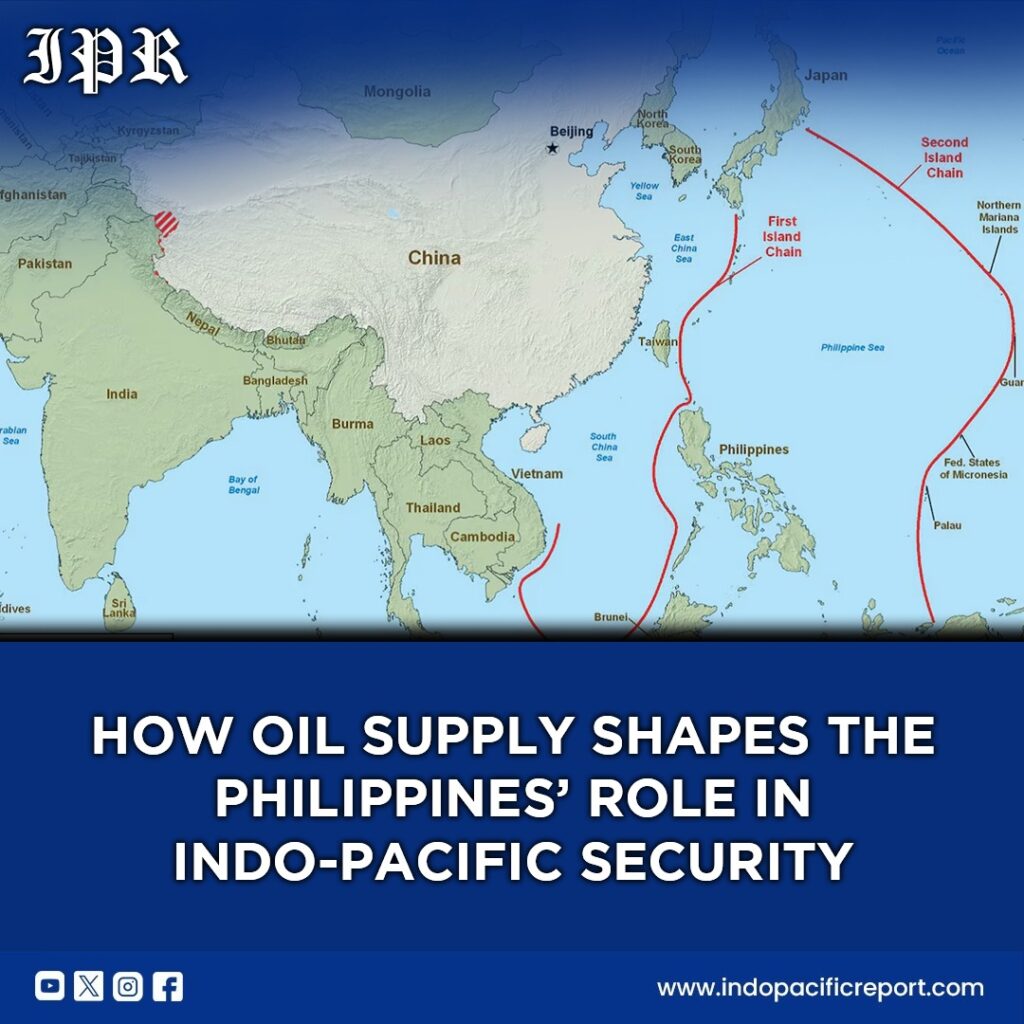
From a maritime and economic strategy lens, Balikatan serves dual purposes. It prepares the armed forces for potential contingencies in the South China Sea, where freedom of navigation and access to trade routes remain critical. Simultaneously, it signals to commercial actors and regional governments that key sea lanes will be monitored and defended, contributing to broader economic security. Cyber operations further protect the digital infrastructure that underpins trade and military command, reflecting a comprehensive understanding that maritime and economic security are inseparable in the modern Indo-Pacific.
The strategic implications for the Indo-Pacific balance of power are significant. By conducting the largest Balikatan yet, Manila and Washington are strengthening deterrence against both state and non-state threats. The exercises showcase operational readiness, alliance cohesion, and the ability to integrate cyber capabilities into conventional operations. At the same time, the regional demonstration underscores the limits of unilateral coercion; adversaries must consider not only immediate military responses but the broader political and digital consequences. In this sense, Balikatan 2026 exemplifies how proactive preparedness can stabilize a region otherwise vulnerable to miscalculation and escalation.
Looking ahead, Balikatan 2026 reflects the broader trend of adaptive, multi-domain security in the Indo-Pacific. The exercises will not resolve structural tensions with China, but they reinforce the strategic credibility of the U.S.-Philippine alliance and signal to regional partners that collective action is feasible. As cyber and hybrid threats evolve, exercises like Balikatan may define the future contours of deterrence, demonstrating that maintaining a balance of power requires constant innovation, vigilance, and collaboration