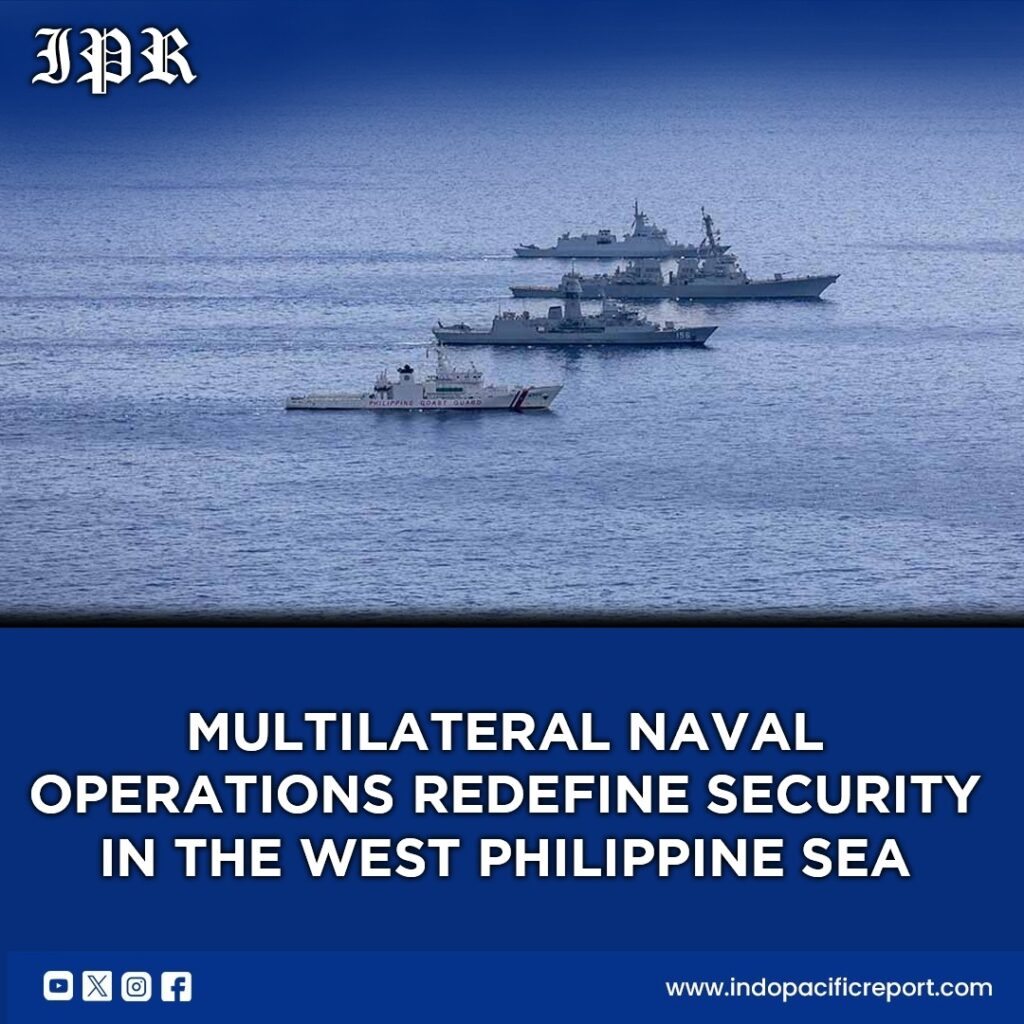
The Philippines is increasingly relying on multilateral naval cooperation to strengthen its maritime posture in the West Philippine Sea. Through the Multilateral Maritime Cooperative Activity (MMCA) framework, Manila now conducts regular joint operations with the United States, Australia, Japan, Canada, and New Zealand. In a recent February 2026 exercise inside the Philippine Exclusive Economic Zone, Philippine, U.S., and Australian vessels carried out coordinated patrols and at-sea drills, including replenishment operations near contested maritime areas. These activities are no longer symbolic. They are becoming a core part of how the Philippines manages security in its surrounding waters.
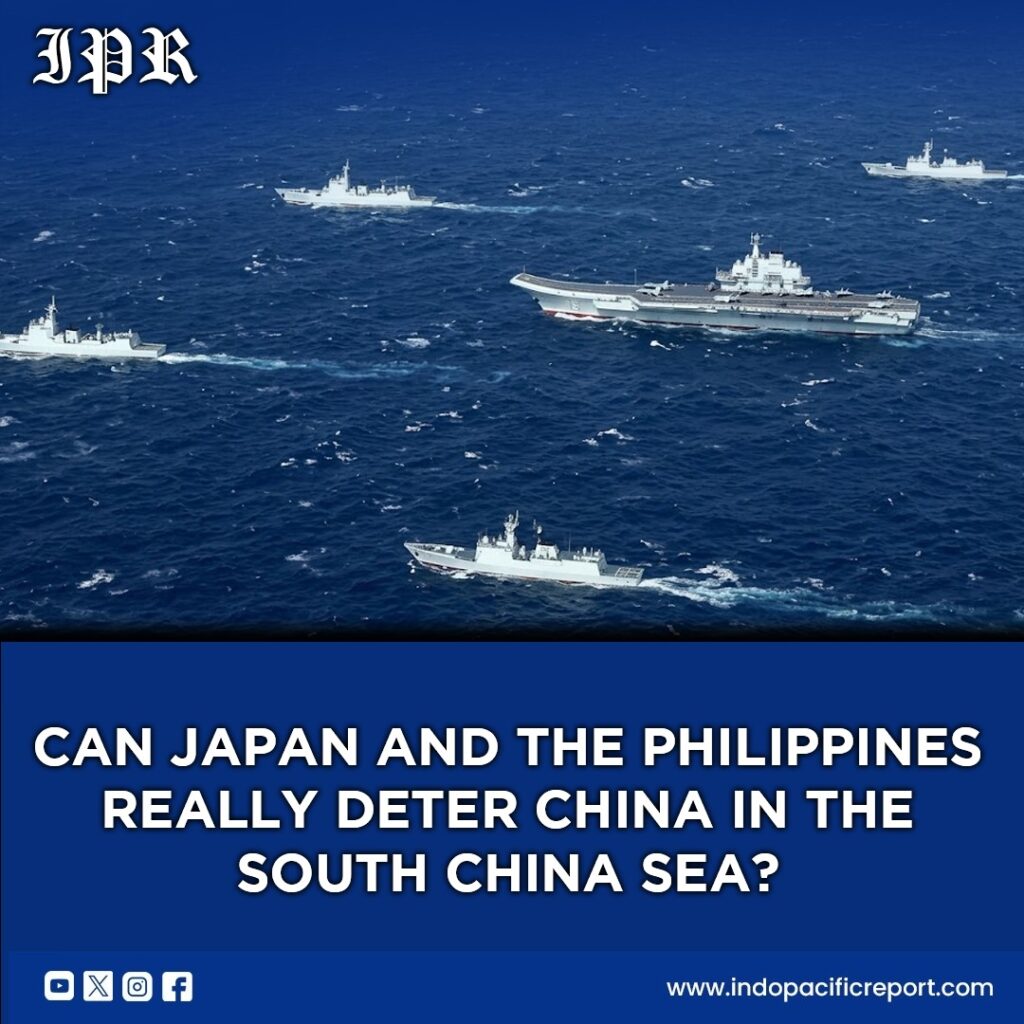
From the perspective of great-power competition, this shift is a direct response to sustained pressure from China in the South China Sea. Chinese coast guard and maritime militia forces continue to operate near disputed features such as Scarborough Shoal and Second Thomas Shoal, often using gray-zone tactics like blocking maneuvers, close shadowing, and water cannon incidents. These actions stay below the threshold of war but still shape control on the ground—or more accurately, at sea. In this environment, the MMCA framework acts as a counter-pressure tool. It brings in multiple external actors to increase presence, improve surveillance, and raise the political cost of coercion.
In terms of regional security architecture, this reflects a gradual shift away from ASEAN-centered security toward a more networked maritime order. ASEAN still plays an important diplomatic role, but it cannot enforce rules or prevent coercion. As a result, the Philippines is building parallel security structures with like-minded partners. The MMCA is not a formal alliance, but it works like a “functional coalition.” It enables joint patrols, shared maritime awareness, and coordinated operations across air and sea domains. This creates operational cooperation without needing a new treaty system.
Alliance dynamics are central to this development. The Philippines remains a treaty ally of the United States, but the key change is the widening of its security network. Australia is now a regular operational partner, and countries like Japan, Canada, and New Zealand are increasingly involved. This creates a layered deterrence system rather than a single-axis alliance. U.S. naval assets, including guided-missile destroyers, operating alongside Philippine and allied ships send a clear signal of extended deterrence. It shows that pressure on Philippine forces can quickly become a multilateral issue, not just a bilateral dispute.
From a maritime and economic security perspective, these operations are essential for improving maritime domain awareness across a vast archipelagic state. The Philippines faces long-standing challenges in monitoring its waters, especially in remote and contested zones. Multilateral patrols help close surveillance gaps by combining sensors, intelligence, and operational reach from multiple partners. This is not only about military readiness. It also protects fisheries, shipping lanes, and coastal infrastructure that are critical to the country’s economic security.
At the level of Indo-Pacific power balance, the MMCA framework reflects a broader trend: the rise of coalition-based deterrence in response to gray-zone coercion. Instead of confronting China through a single alliance structure, the Philippines is embedding itself in a flexible network of maritime partners. This allows Manila to strengthen deterrence without formal escalation. At the same time, Chinese naval and coast guard presence during these exercises shows that competition remains active and unresolved.
Looking forward, the main strategic challenge is sustainability. Multilateral patrols increase deterrence and awareness, but they also increase operational complexity in already crowded waters. The Indo-Pacific is moving toward a condition where multiple navies operate in close proximity under competing legal and political claims. Whether this leads to stable deterrence or higher risk of miscalculation will depend on how well these coordination frameworks evolve over time.Do multilateral naval patrols actually improve stability in the South China Sea, or do they increase the risk of confrontation by bringing more militaries into the same contested waters?