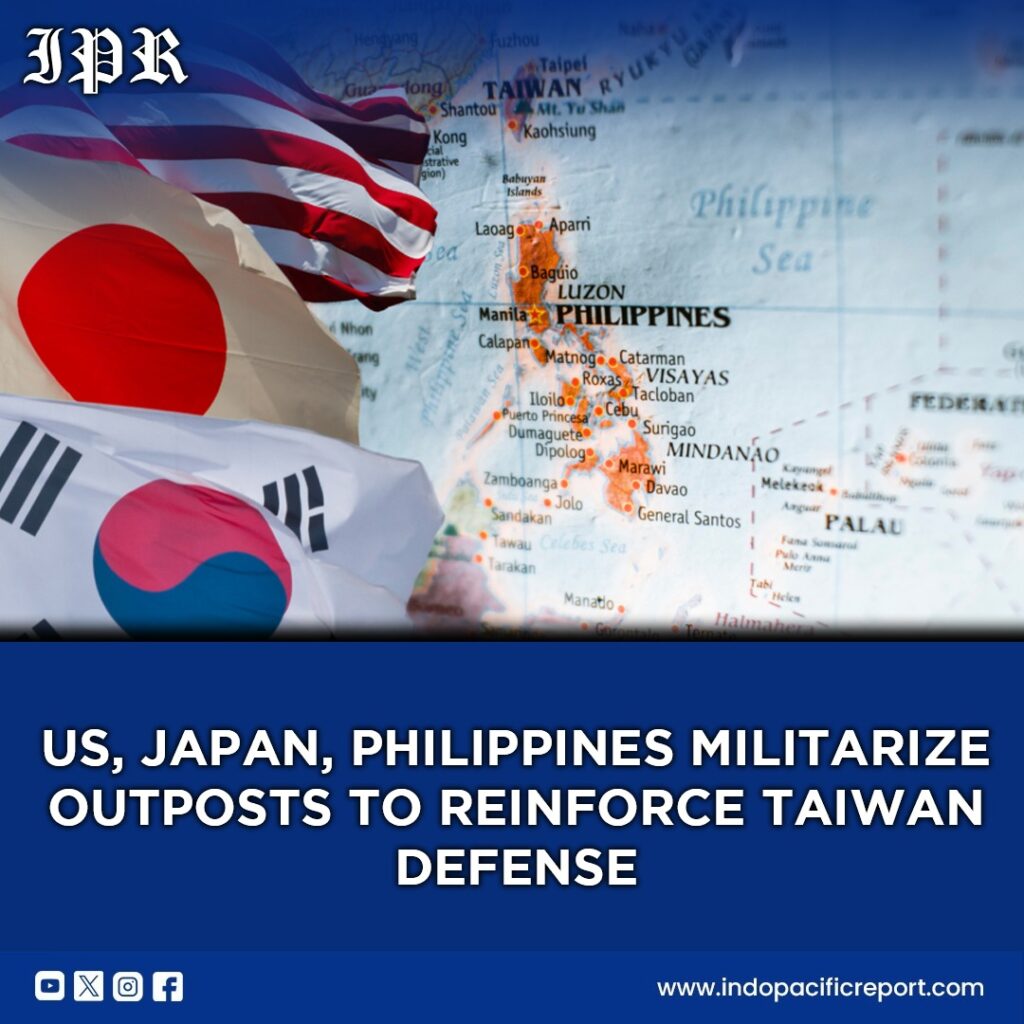
In February 2026, the Philippine, US, and Japanese militaries shifted their Multilateral Maritime Cooperative Activities (MMCA) exercises from the South China Sea to the Bashi Channel, the strategic waterway separating Taiwan from the northern Philippines. Central to these exercises is Mavulis Island, a small 2.2-square-kilometer outcrop already garrisoned by Philippine troops and equipped with basic infrastructure. This geographic repositioning reflects a deliberate allied strategy to monitor and constrain Chinese naval and submarine movements through the Luzon Strait, a critical artery for China’s access from the South China Sea to the Western Pacific.
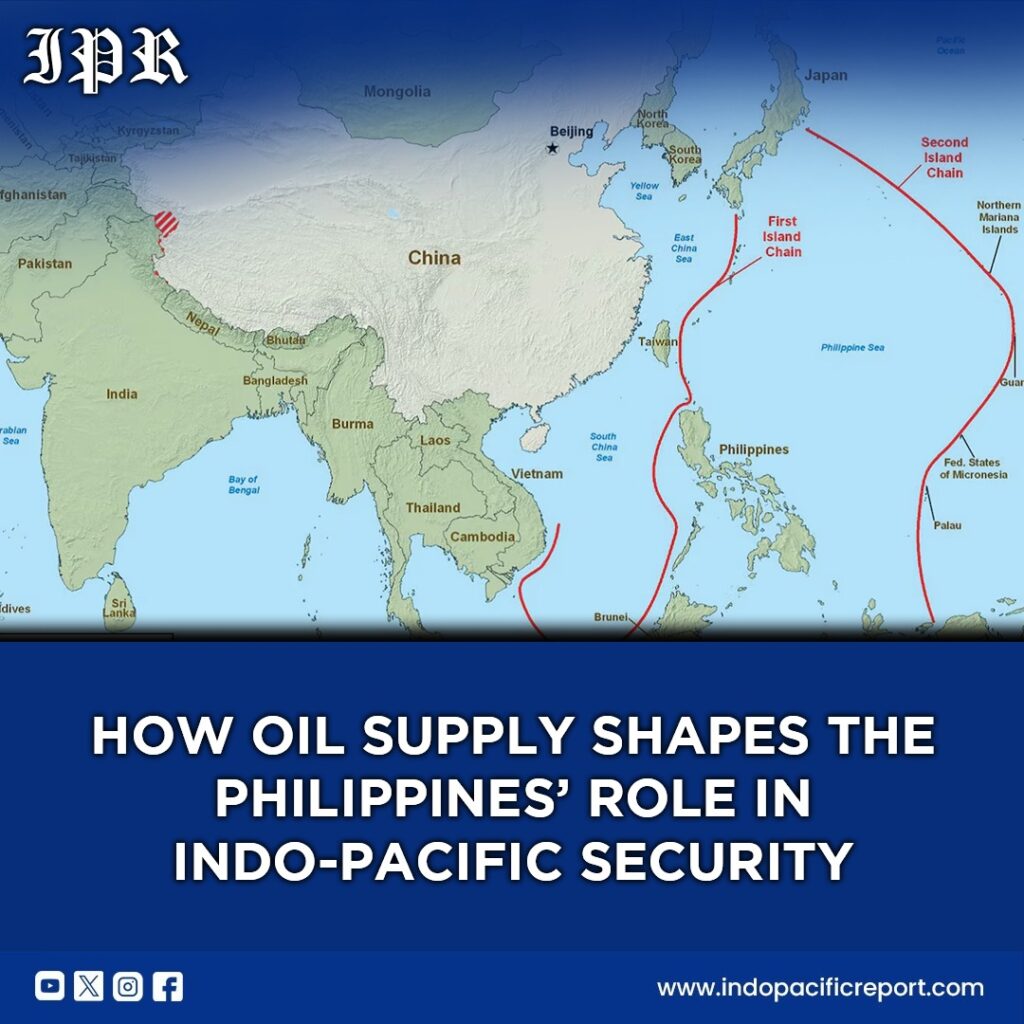
From a great-power competition lens, this development is part of a broader US-led effort to deter Chinese coercion against Taiwan and assert influence along the First Island Chain. By positioning troops and surveillance capabilities on forward islands like Mavulis and, in parallel, Japan’s Yonaguni Island, Washington and Tokyo signal that any unilateral attempt by China to dominate Taiwan’s maritime approaches will face both early warning and rapid counter-response. This maneuver also illustrates the US’s commitment to burden-sharing with regional partners, demonstrating that allied forces are capable of holding forward positions even amid crises in other theaters, such as the Middle East.
Within the regional security architecture, Mavulis Island serves as both a symbolic and practical node for monitoring the northern Bashi Channel. The location allows allied forces to observe and potentially interdict Chinese submarine and surface operations moving toward the Western Pacific. While the island’s steep rocky terrain and limited size constrain long-term basing, its emptiness minimizes collateral risk and provides a discrete, forward-operating position that complements larger Philippine and US facilities under the Enhanced Defense Cooperation Agreement (EDCA). Its integration with adjacent bases, radar assets, and joint exercises strengthens the networked defensive posture across the First Island Chain.
In terms of alliance dynamics, these activities underscore evolving military cooperation among Washington, Tokyo, and Manila. Japan’s ongoing plans to militarize Yonaguni with surface-to-air missiles, coupled with the Philippines’ willingness to host US deployments and receive potential Taiwanese funding for infrastructure upgrades, illustrate the gradual expansion of strategic alignment without formal defense treaties. The coordination demonstrates that smaller regional states can enhance deterrence credibility through forward deployment and integrated exercises, while the US leverages local partners to extend operational reach and complicate Beijing’s calculations.
From a maritime and economic strategy perspective, controlling the Bashi and Balintang Channels has outsized importance. These straits are vital shipping lanes for regional trade, energy flows, and Chinese naval mobility. Even small outposts can act as monitoring and denial nodes, supporting a “keep-out” strategy that raises operational risks for Chinese vessels. By reinforcing the northern Philippine islands, allied forces also signal to commercial and maritime stakeholders that the region is under vigilant surveillance, preserving freedom of navigation while maintaining the integrity of global supply chains that traverse these corridors.
The Indo-Pacific balance of power is subtly but meaningfully affected. These exercises and militarizations demonstrate that the US and its allies can extend deterrence forward, create credible first-response positions, and complicate Chinese planning for any rapid invasion of Taiwan. While the deployments will not fundamentally alter China’s long-term strategic intent, they increase the cost, risk, and visibility of aggressive operations, effectively slowing potential timelines and shaping escalation dynamics. For Taipei, Manila, and Tokyo, these forward positions reinforce asymmetric deterrence, networked early warning, and combined operational readiness, all key elements in sustaining a stable regional order despite rising Chinese capabilities.
Forward-looking assessment: The militarization of Mavulis Island, alongside Japan’s initiatives on Yonaguni, represents a careful but assertive approach to deterrence by denial in the Taiwan Strait. Small, strategically located outposts allow allies to observe, delay, and potentially interdict Chinese operations while minimizing the risk of direct confrontation. The move reflects a growing recognition that maintaining credible defense and deterrence in the Indo-Pacific requires forward presence, multilateral integration, and shared operational responsibility. As China continues its military modernization along the Fujian coast, these initiatives signal that the US and its regional partners are prepared to contest maritime dominance through both visible and networked measures.
Audience Question: Are forward-deployed island outposts enough to deter a Chinese invasion of Taiwan, or are they only delaying inevitable escalation?