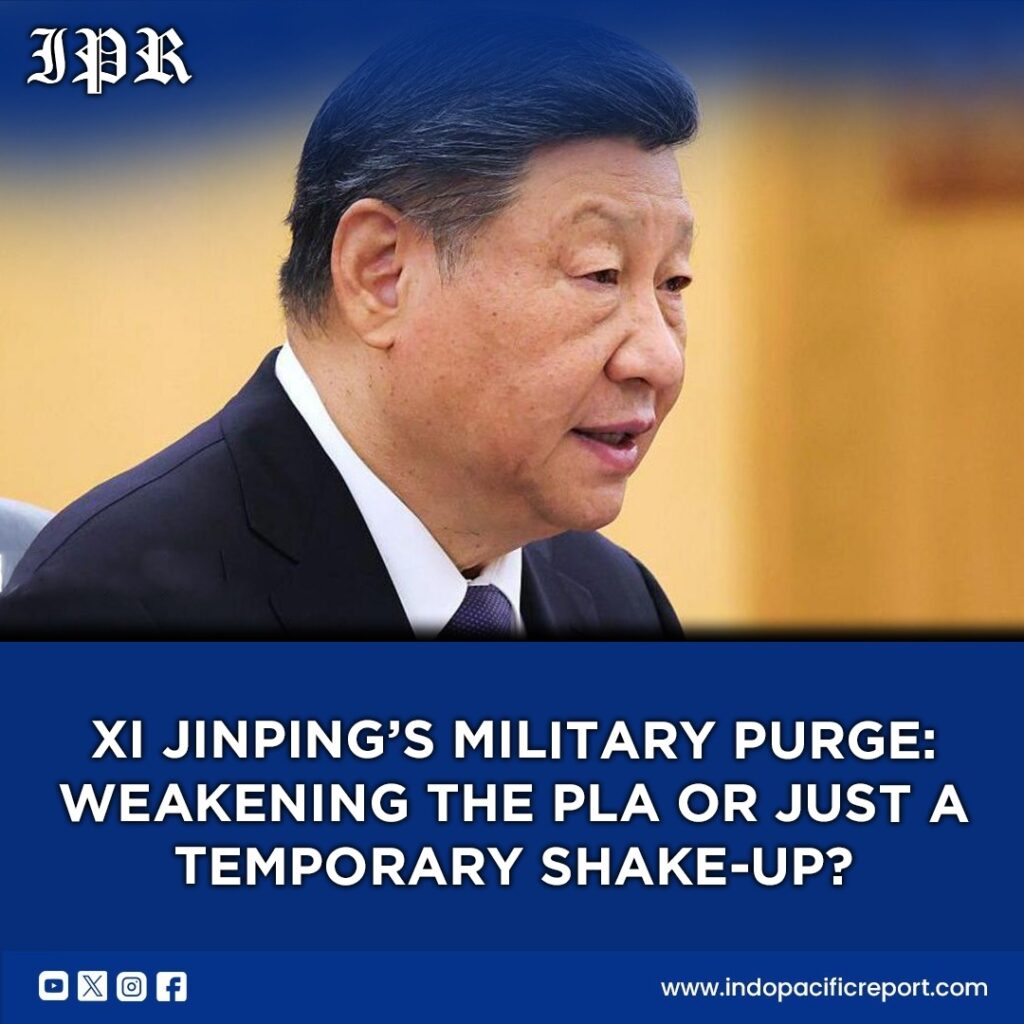
Chinese President Xi Jinping’s ongoing purge of senior People’s Liberation Army (PLA) officers has created significant gaps in China’s military leadership. According to the International Institute for Strategic Studies, dozens of generals and hundreds of lower-ranking officers have been removed through anti-corruption campaigns and political consolidations. Until these vacancies are filled, the PLA is operating with serious deficiencies in its command structure, raising questions about operational cohesion and decision-making under stress.
From a great-power competition perspective, Xi’s consolidation strengthens political control but risks undermining China’s military professionalism. While the PLA continues to expand its capabilities and modernize its forces, the leadership vacuum creates a temporary vulnerability. This could slow operational planning and reduce the effectiveness of China’s growing maritime and nuclear forces, even as Beijing projects power in the East and South China Seas.
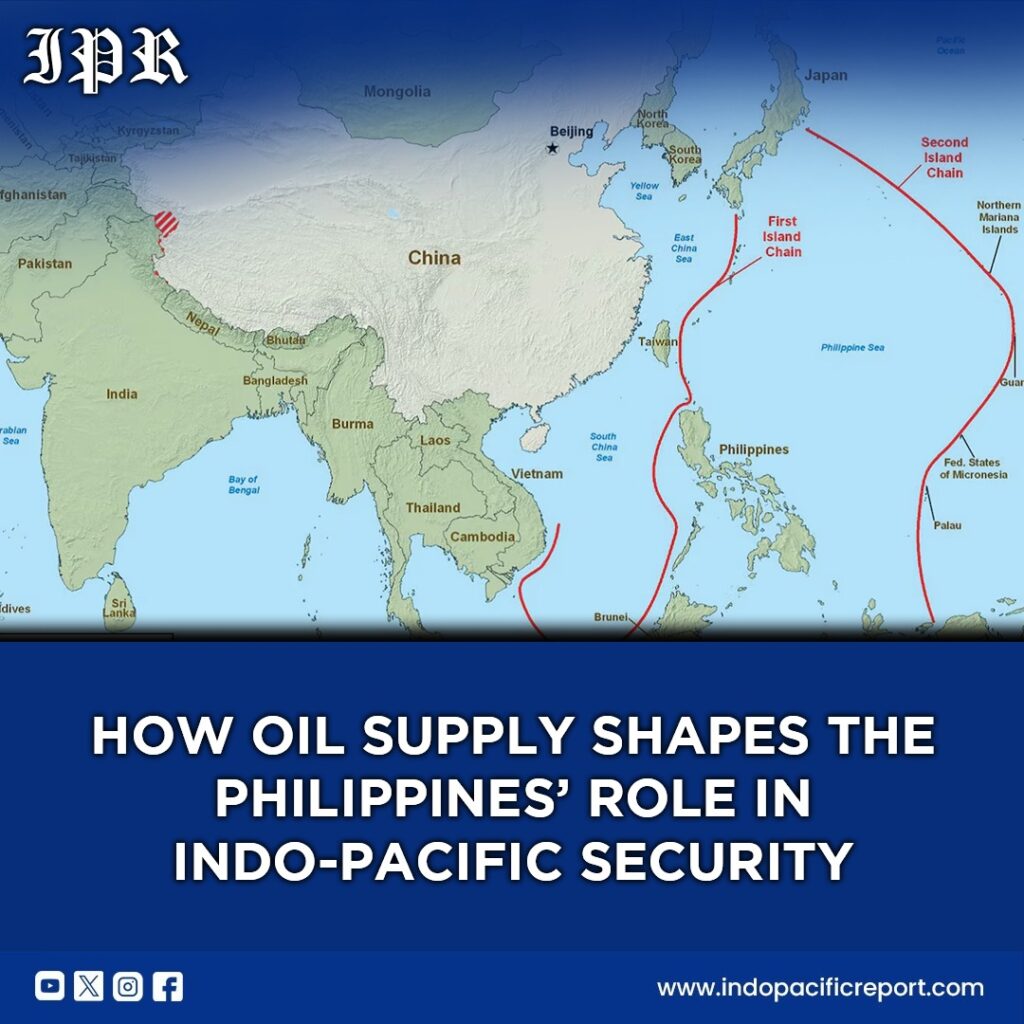
Looking at regional security architecture, the leadership disruptions could influence PLA behavior near Taiwan and in the Indo-Pacific. Despite internal shake-ups, PLA operations around Taiwan’s air defense identification zone have increased, signaling that political purges do not eliminate China’s regional assertiveness. However, the absence of experienced commanders could limit rapid coordination in a crisis, potentially increasing the risk of miscalculations or operational inefficiencies.
In terms of alliance dynamics, gaps in Chinese command structures may indirectly benefit U.S. partners and regional states. Countries like Japan, Australia, India, and Taiwan may perceive a window to strengthen deterrence, invest in readiness, or enhance interoperability with U.S. forces while China adjusts to its leadership changes. The purge may also affect Beijing’s ability to influence or pressure regional partners through military diplomacy.
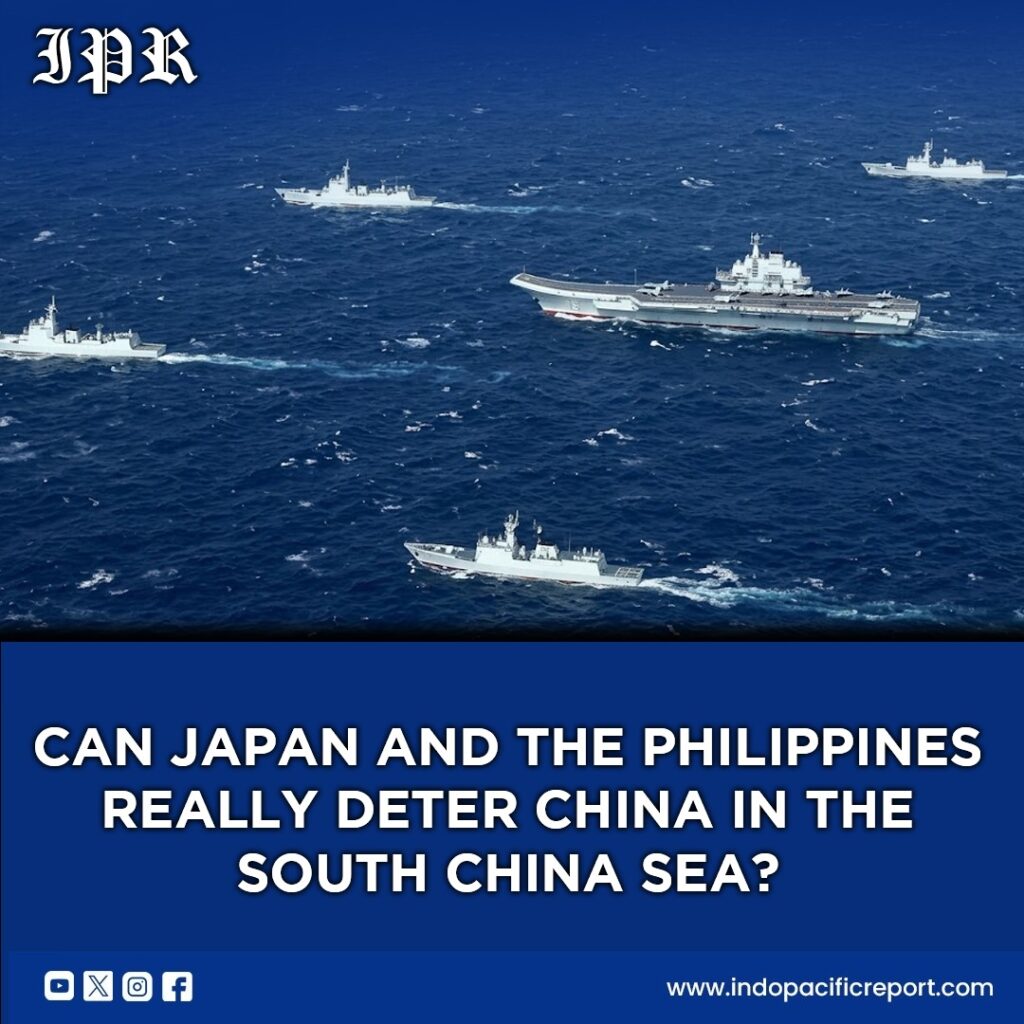
From a maritime and strategic perspective, temporary deficiencies in PLA leadership could affect the execution of complex operations such as carrier strike group deployments, amphibious exercises, or joint exercises with Russia. While China’s nuclear and missile capabilities remain formidable, the ability to coordinate multi-domain operations—air, sea, cyber, and space—may face short-term challenges, giving regional actors an operational advantage in strategic planning.
The broader Indo-Pacific balance of power is subtly impacted. Even a temporary command gap does not fundamentally halt China’s rise, but it introduces a margin of uncertainty that regional states and allies can exploit. Strategic calculations around deterrence, naval deployments, and alliance coordination now include not only PLA capability, but also its internal political stability and command reliability.
Looking ahead, Xi’s purge demonstrates the trade-offs between political consolidation and military effectiveness. While the PLA is expected to recover and continue its modernization trajectory, the current leadership gaps create a short-term window for Indo-Pacific partners to strengthen defense readiness, deepen alliances, and reinforce maritime security architectures. How China addresses these gaps—and the speed at which experienced officers are reinstated—will shape regional deterrence and the dynamics of great-power competition for years to come.
Audience question: Could leadership gaps in the PLA create a temporary strategic window for Indo-Pacific powers, or will China quickly adapt and neutralize this advantage?