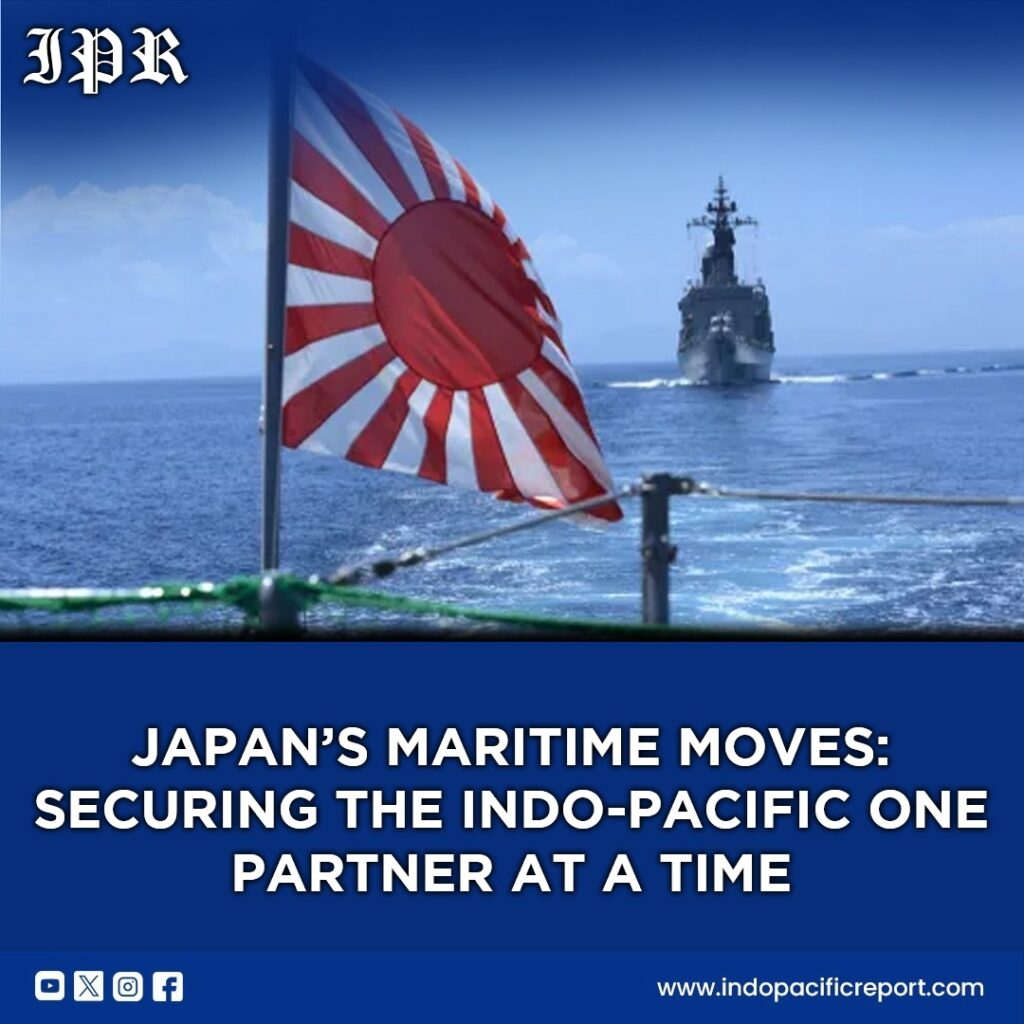
Japan and Sri Lanka have agreed to deepen defense cooperation. Talks in Tokyo between Japan’s Defence Minister Shinjiro Koizumi and Sri Lanka’s Deputy Defence Minister Aruna Jayasekara focused on maritime security, joint exercises, port visits, disaster relief, and officer exchanges. Sri Lanka’s strategic location along key Indian Ocean sea lanes makes it a crucial partner for Japan’s Free and Open Indo-Pacific (FOIP) strategy.
From a great-power competition lens, this cooperation counters growing Chinese influence in the Indian Ocean. Beijing has invested in Sri Lankan ports, like Hambantota, to gain strategic footholds. Japan’s engagement offers an alternative, emphasizing rules-based navigation and transparent partnerships. This strengthens regional balance without directly confronting China militarily.
In terms of regional security architecture, joint port calls, training programs, and disaster-response exercises increase interoperability and readiness. These efforts help secure vital sea lanes that carry trade, energy, and resources. By building operational cooperation with Sri Lanka, Japan enhances the resilience of Indo-Pacific maritime routes.
Alliance and partnership dynamics matter too. While Japan and Sri Lanka are not formal allies, the deepening military ties foster long-term strategic trust. Officer exchanges, seminars, and onboard training institutionalize cooperation. This shows that partnerships can extend influence without formal alliances, complementing U.S. presence in the region.
From a maritime and economic strategy perspective, securing sea lanes protects Japan’s energy and trade flows. The Indian Ocean is a critical conduit for oil, LNG, and other imports. Cooperative patrols and exercises reduce vulnerability to piracy, natural disasters, or geopolitical disruptions. Integrating naval capability with economic security reflects a sophisticated, multi-dimensional approach.
Implications for Indo-Pacific balance of power are clear. Japan’s engagement with Sri Lanka creates alternatives to Chinese dominance. It strengthens the network of like-minded partners in the Indian Ocean. Over time, these partnerships reinforce the Free and Open Indo-Pacific vision, giving smaller states strategic options while enhancing regional stability.
Audience question: Can smaller countries like Sri Lanka use partnerships with Japan to balance Chinese influence without escalating tensions?