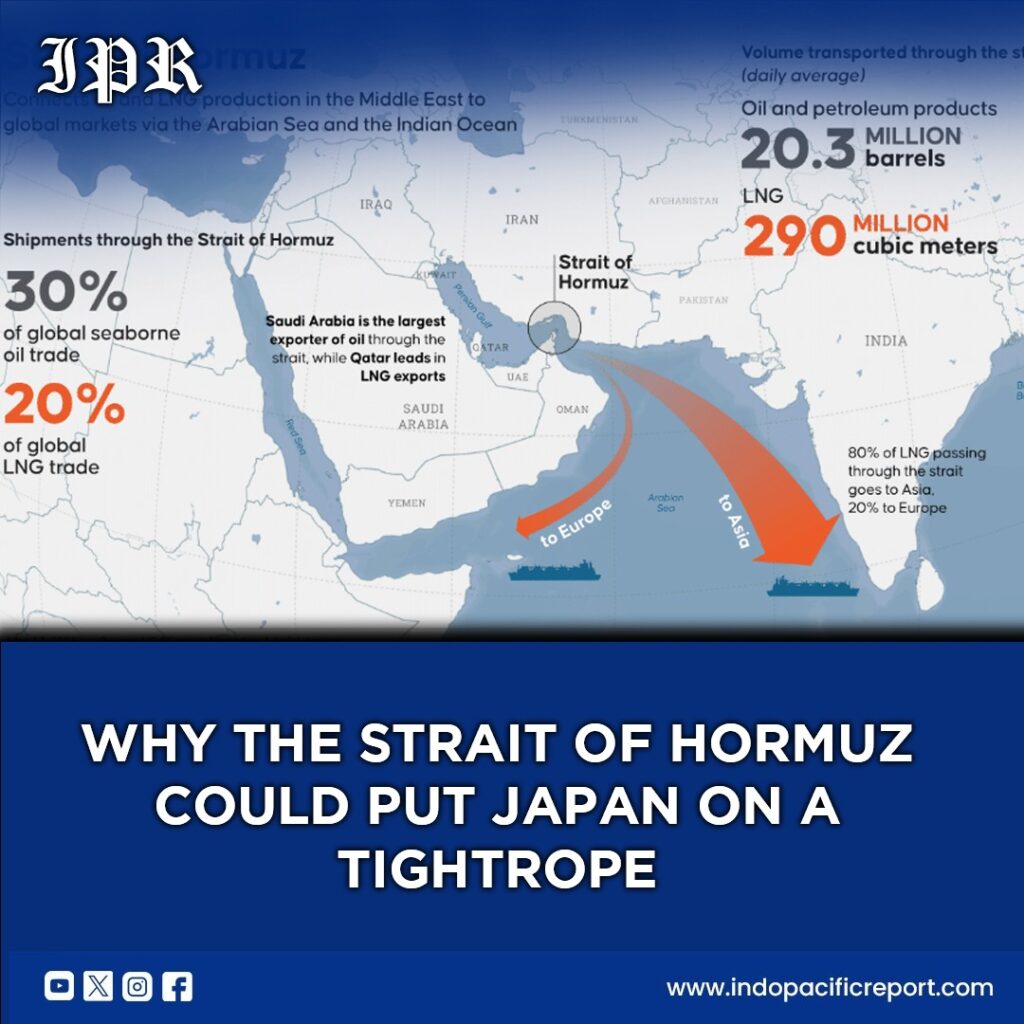
Japan’s Prime Minister Sanae Takaichi is heading to Washington for a high-stakes meeting with former U.S. President Donald Trump, at a time when the Iran conflict is reshaping global security and energy flows. The U.S. is asking Japan to help secure the Strait of Hormuz, a vital chokepoint for nearly one fifth of global oil shipments. For Tokyo, this is not just a distant crisis—about 90 percent of Japan’s oil imports pass through the strait, making the stability of this route a direct national security concern.
From a great-power perspective, this highlights how the U.S. is using alliances transactionally. Security expectations, economic leverage, and political pressure are being linked, forcing Japan into a difficult choice. Supporting U.S. operations could strengthen bilateral ties and global order, but it risks domestic backlash and legal questions under Japan’s pacifist constitution. Refusing, however, could weaken U.S. influence and encourage adversaries like China and Iran to test alliance commitments.
The regional security implications are significant. Japan has long depended on the U.S. for deterrence against China and North Korea. Sending forces into the Gulf could set a precedent for operations beyond the Indo-Pacific, stretching Japan’s strategic focus. A more cautious approach—intelligence sharing, logistics support, or diplomacy—would protect domestic legitimacy while keeping Japan’s regional defense posture intact.
Maritime and economic strategy is at the heart of the dilemma. Japan cannot ignore the Strait of Hormuz: any disruption threatens its energy security and economic stability. How Tokyo acts—directly deploying naval assets or providing indirect support—will signal to Beijing, Tehran, and regional partners how far Japan is willing to go to protect sea lanes and maintain open commerce.
Alliance dynamics are under scrutiny. The U.S.-Japan alliance is strong but increasingly transactional. Trump’s leverage through trade and security pressure shows that allies are expected to bear burdens outside their immediate regions. Japan’s response will affect not only its own credibility but also how other middle powers perceive coalition expectations in future crises.
Finally, this situation has implications for the Indo-Pacific balance of power. Tokyo’s choices will influence perceptions of U.S. deterrence and regional stability. Active participation could reinforce the alliance and send a clear signal to China and Iran. A restrained approach preserves domestic support but may signal limits to U.S. influence. Japan is walking a narrow path between alliance obligations, domestic politics, and strategic necessity.
Audience question: Can Japan maintain its constitutional limits and domestic support while meeting U.S. expectations in global hotspots?