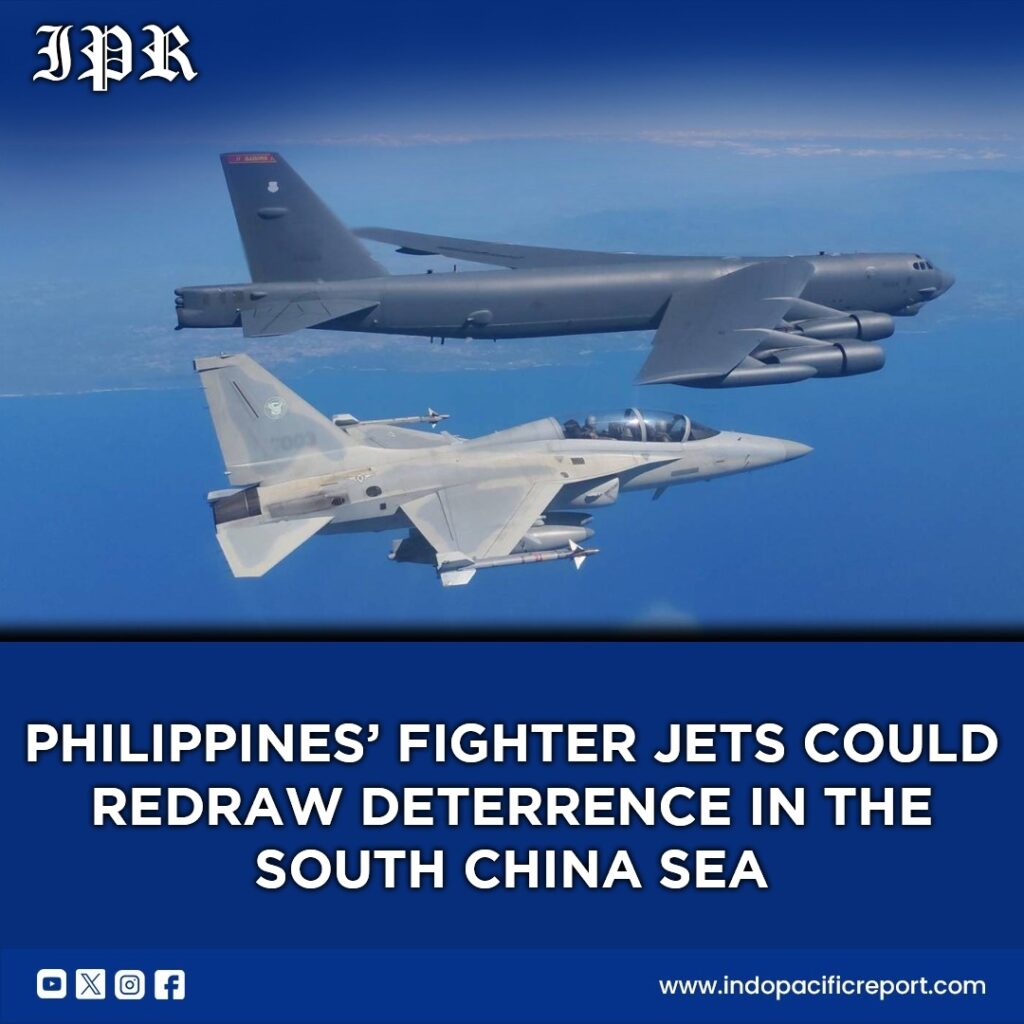
The Philippine Air Force (PAF) continues its multi-role fighter (MRF) modernization, but Defense Secretary Gilbert Teodoro Jr. has stressed fiscal prudence. He has made clear that acquiring a few jets within a limited budget is less effective than purchasing a fleet capable of credible deterrence. The proposed $5.6-billion package includes advanced fighter jets, precision-guided munitions, radar units, spare engines, and technical support. Earlier plans in 2024 envisioned $6.9 billion for 40 jets, signaling Manila’s long-term commitment to air combat modernization.
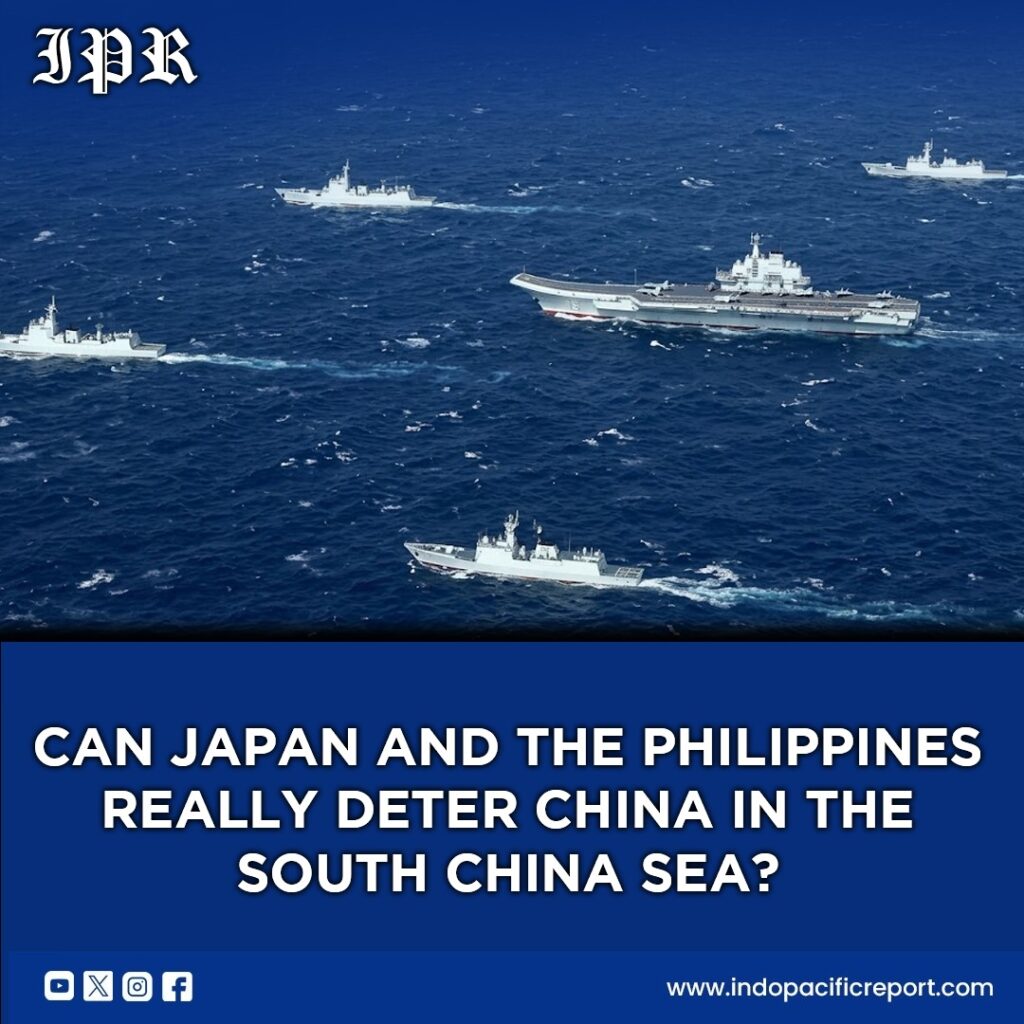
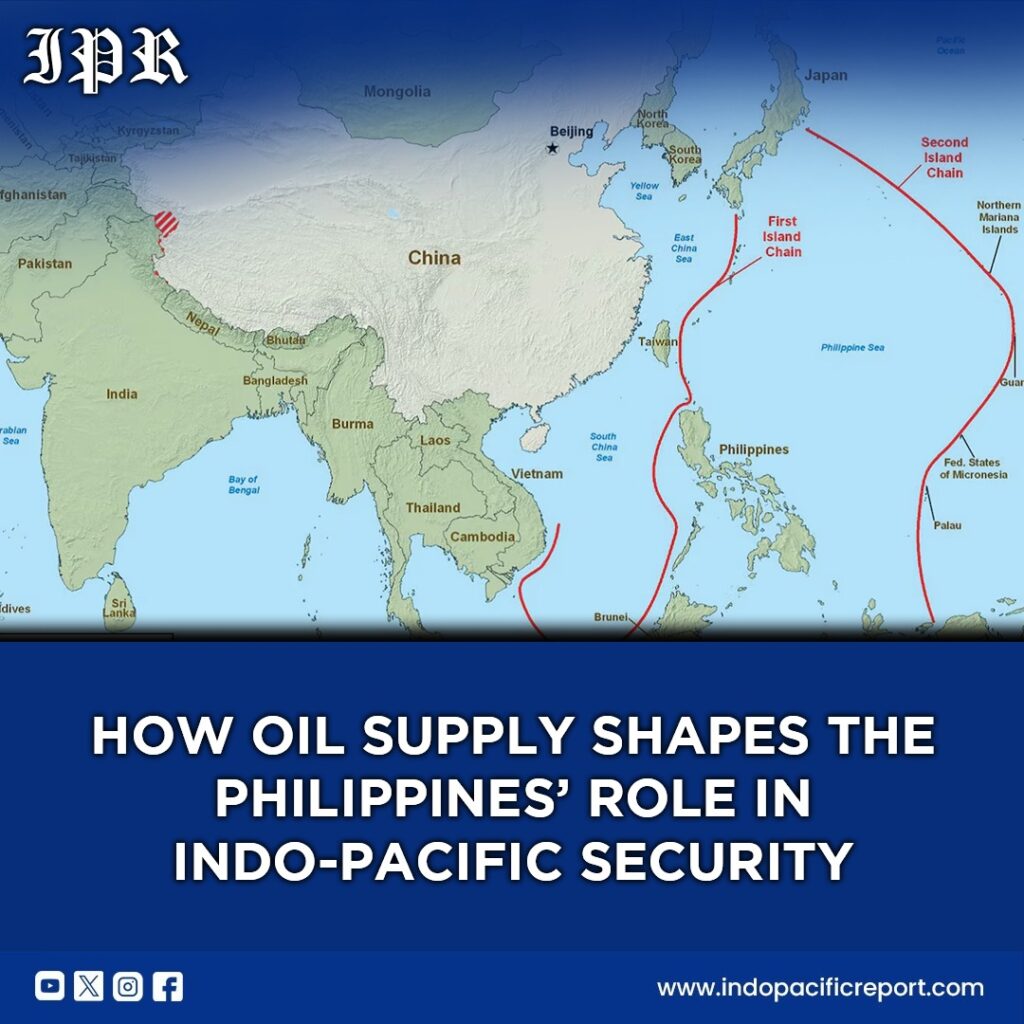
In terms of great-power competition, the MRF program reflects Manila’s response to growing Chinese influence in the South China Sea. Beijing has expanded its military presence, both through island fortifications and frequent naval patrols. By strengthening its air capabilities, the Philippines is signaling that it intends to protect its territorial claims and critical maritime zones, while increasing operational resilience against a more technologically advanced adversary.
The program also strengthens the regional security architecture. Modern multi-role fighters allow the Philippines to conduct joint air patrols, maritime surveillance, and exercises with regional partners like the United States, Japan, and Australia. A more capable air force enhances interoperability with allies and strengthens ASEAN’s collective deterrence posture in a region where air superiority is increasingly crucial to maintaining freedom of navigation and securing sea lanes.
Alliance dynamics are central to understanding the strategic impact. A sufficiently sized and capable MRF fleet serves as both a deterrent and a signal. For allies, it demonstrates that the Philippines is a credible partner in defending shared maritime interests. For potential adversaries, it increases the cost of coercion, showing that even a medium-sized fleet can complicate operations in contested airspace. By prioritizing operational effectiveness over sheer numbers, Manila leverages asymmetric deterrence—a principle used by smaller states to counter larger powers.
From a maritime and economic perspective, these jets enhance the Philippines’ ability to secure vital sea lanes and its exclusive economic zones (EEZs). Multi-role fighters provide air cover for naval operations, rapid response to threats, and disaster response capabilities, ensuring the protection of critical infrastructure and trade routes. In a region dependent on maritime commerce, the ability to project air power across archipelagic waters is a force multiplier for both defense and deterrence.
Strategically, the modernization program has significant implications for the Indo-Pacific balance of power. While the Philippines cannot match China’s numerical and technological advantage, even a modest fleet of multi-role fighters raises the stakes for any potential aggressor, complicating threat calculations and enhancing regional stability. When combined with allied cooperation, this approach strengthens deterrence, ensuring that Manila is not a passive actor in its own airspace.
Forward-looking assessment: Manila’s strategy reflects a pragmatic approach to defense modernization. By focusing on credible capability rather than budget-limited acquisitions, the Philippines strengthens its strategic posture, contributes to regional stability, and signals to allies that it is a reliable partner in collective security. How Manila implements training, logistics, and integration of these jets will determine the long-term effectiveness of this deterrence strategy.
Audience Question: Can a smaller, highly capable fighter fleet effectively deter larger regional powers, or does the Philippines remain dependent on allied support to secure its airspace?