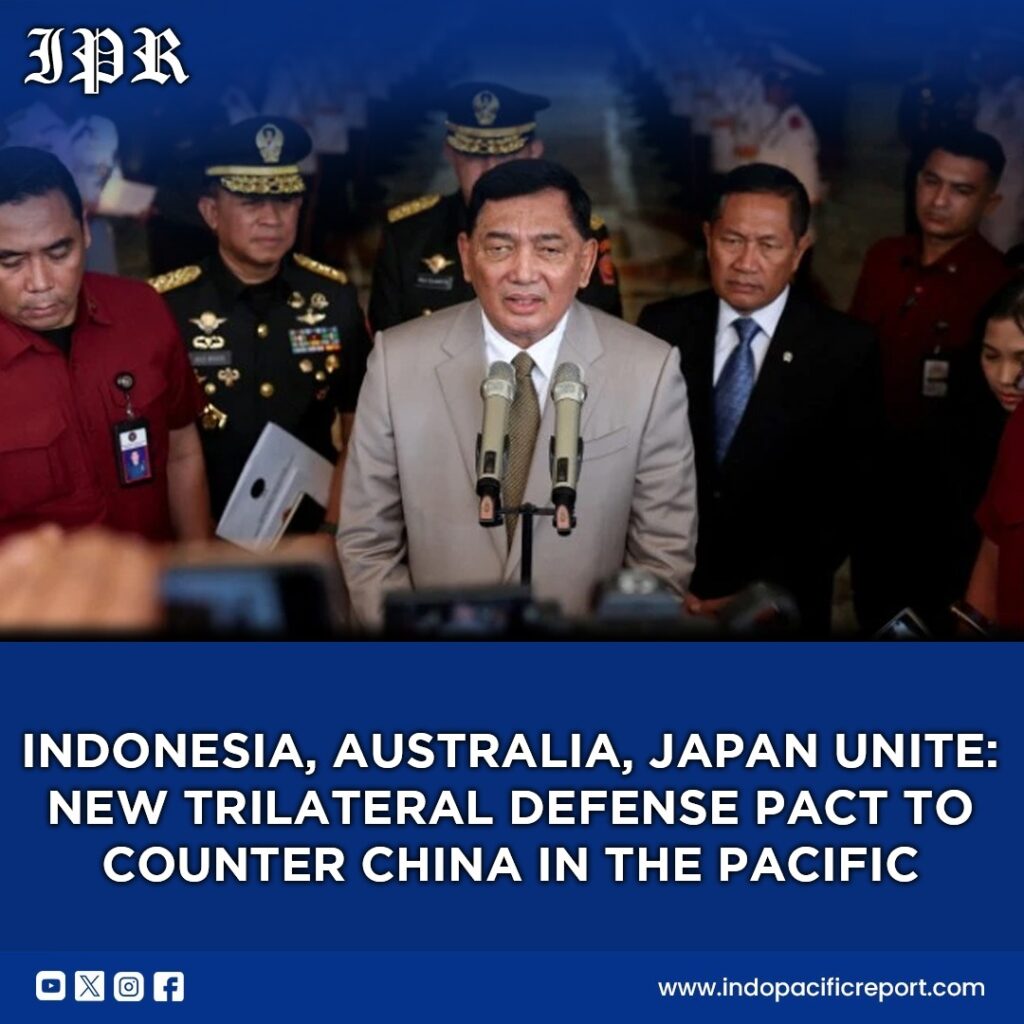
Indonesia and Australia are moving to deepen defense ties in Southeast Asia and the South Pacific, now exploring trilateral arrangements with Japan and Papua New Guinea. This approach strengthens regional security architecture, improves intelligence sharing, and signals a coordinated response to growing Chinese influence in the Indo-Pacific.
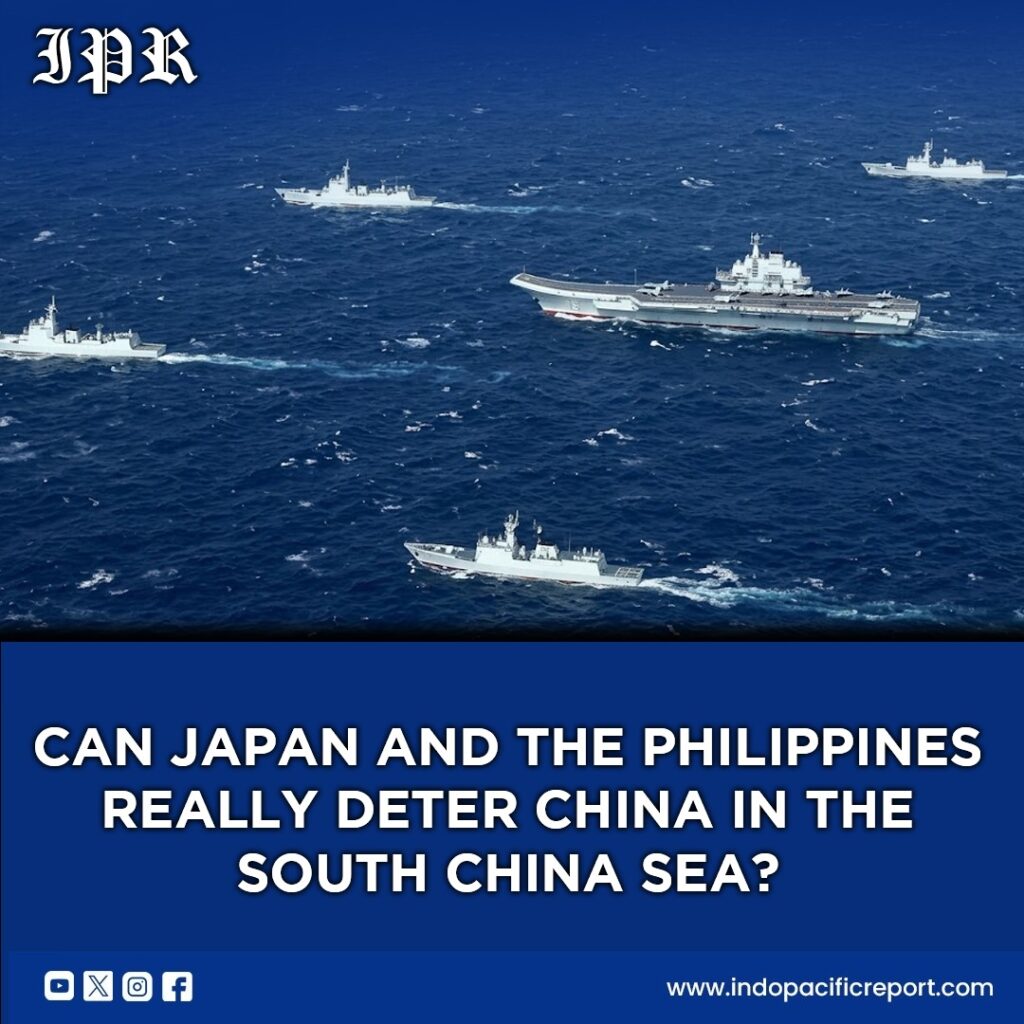
The move is clearly shaped by great-power competition. China’s expanding naval presence—from port calls in Pacific Island nations to unannounced live-fire exercises near Australian waters—has heightened regional strategic risk. By partnering with Japan, which brings advanced maritime capabilities, and linking with Papua New Guinea, Indonesia and Australia are positioning themselves to deter coercion and protect critical sea lanes, including the Malacca Strait, the Celebes Sea, and the wider Pacific maritime corridor.
A central element of this cooperation is the Morotai Island training facility. While Indonesian-controlled, the site can host Australian forces and other partners like the Philippines and Singapore. This provides a practical venue for joint drills, personnel exchanges, and operational coordination, improving readiness for maritime security operations, humanitarian assistance, or crisis response. Another facility in North Kalimantan, developed with Singapore, extends the regional operational footprint further north.
From an alliance perspective, this trilateral framework complements the February 2026 Indonesia-Australia security treaty, which obliges both countries to consult in case of threats. By involving Japan and other regional partners, it creates a flexible, multilateral deterrence network that strengthens trust, fosters interoperability, and increases the strategic cost of Chinese assertiveness in regional waters without formal military confrontation.
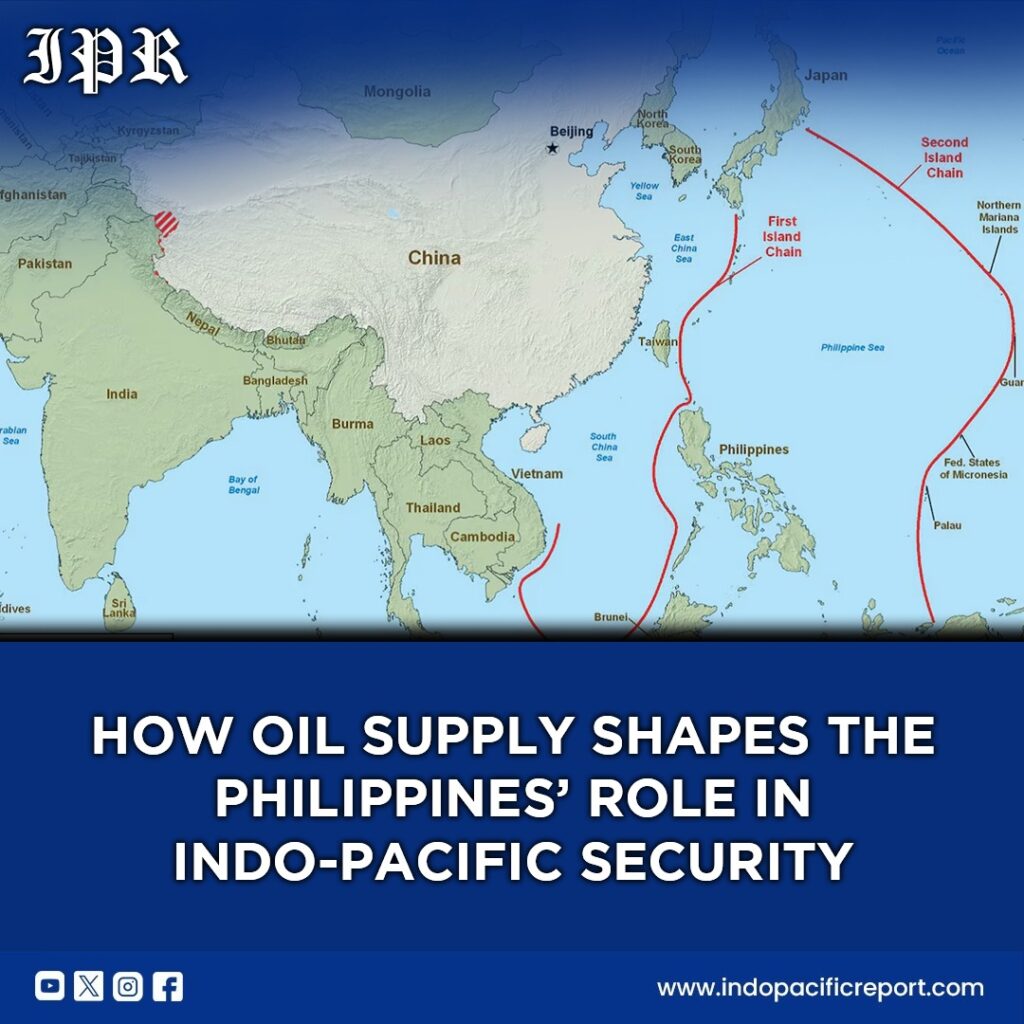
Maritime and economic implications are significant. Indonesia controls key chokepoints linking the Indian and Pacific Oceans. By hosting allied exercises and sharing facilities, Jakarta ensures influence over crucial shipping lanes while enabling operational familiarity for allied forces. Australia gains forward-operating bases and access to critical logistical nodes in the South Pacific, enhancing its blue-water projection and rapid response capabilities.
For the balance of power in the Indo-Pacific, this trilateral cooperation shows how middle powers can collaborate to counterbalance a larger rival. China remains a dominant economic and military force in the region, but operational collaboration, intelligence sharing, and regional integration create strategic resilience. While financial influence may remain in Beijing’s favor, coordinated defense partnerships can make coercion more difficult and increase deterrence credibility.
Looking forward, these arrangements may evolve to include cyber operations, coordinated maritime patrols, and broader multilateral intelligence networks. Even if China continues to invest heavily in the Pacific, Indonesia, Australia, and Japan are creating a durable operational baseline, strengthening both deterrence and confidence-building across the region.
Audience Question: Can middle powers like Indonesia, Australia, and Japan realistically check China’s influence in the Indo-Pacific, or will Beijing’s economic leverage always outweigh military coordination?