Japan knows it cannot match China’s economic clout in the South Pacific. Instead, Tokyo is turning to defense and maritime cooperation to secure influence. Traditionally focused on humanitarian aid, Japan is now building deeper security ties with Pacific Island nations to counter Beijing’s growing military footprint and protect key maritime routes.
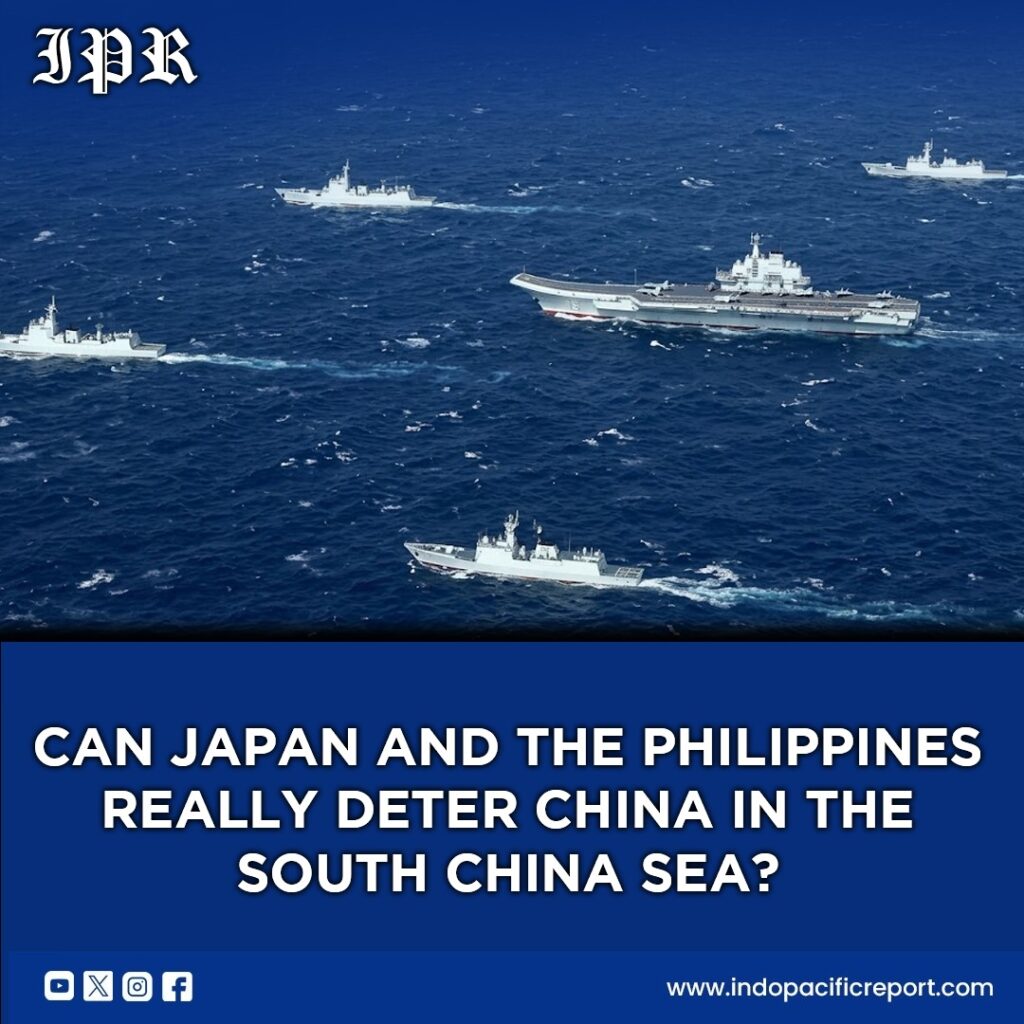
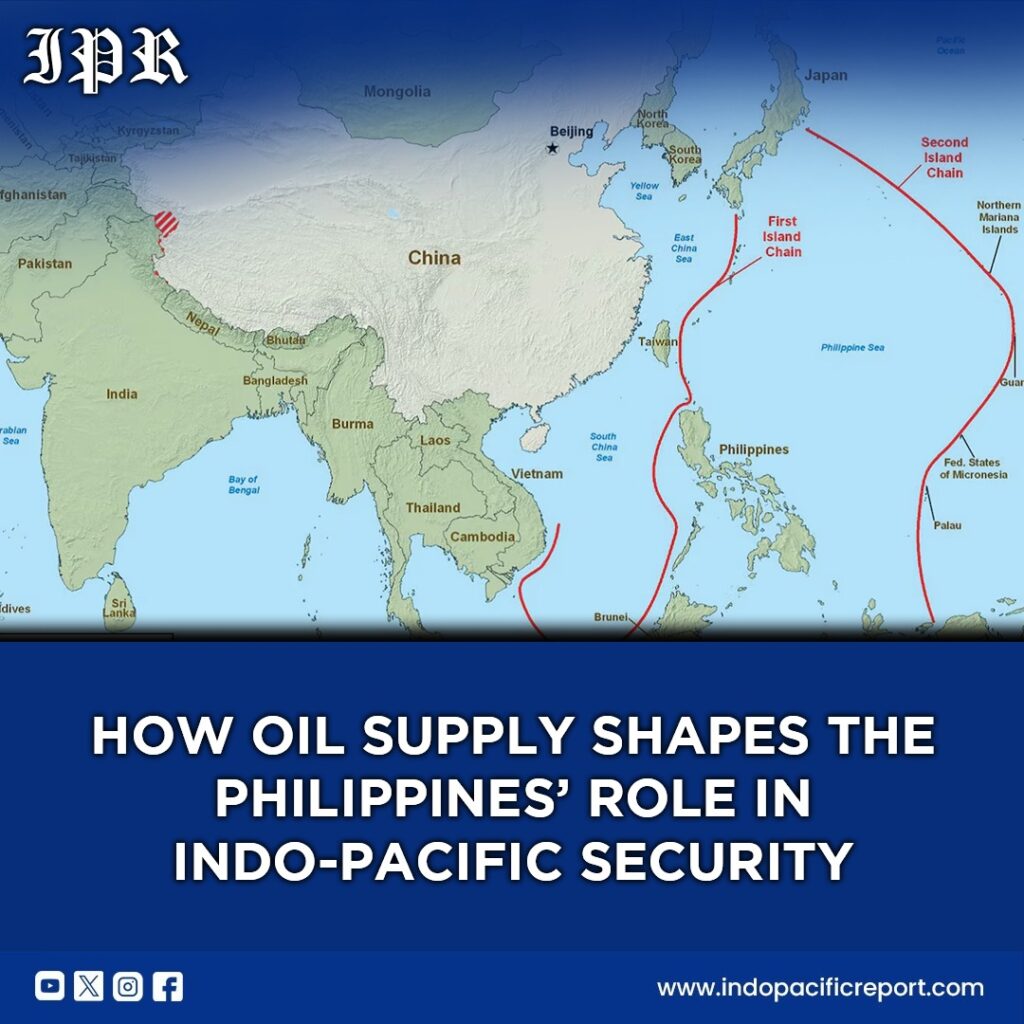
China’s presence in the region has been growing fast. In 2024–2025, Beijing deployed advanced destroyers to Vanuatu, conducted unannounced live-fire exercises near Australia, and sent aircraft carriers past the First Island Chain. These operations not only show Chinese power but also familiarize their forces with Pacific operational environments—posing challenges for Japan, the U.S., and regional partners.
Japan’s approach relies on practical, layered security partnerships. During the 3rd Japan-Pacific Islands Defence Dialogue, Defense Minister Shinjiro Koizumi emphasized personnel exchanges, maritime security cooperation, and coordinated patrols. Programs like the Ship Rider Program, where Pacific law enforcement officers join Japanese vessels on patrols, help Japan gain local knowledge, enhance maritime surveillance, and support partner nations’ ability to secure their waters.
The strategy also strengthens alliances. Japan’s moves complement U.S. operations along the Second Island Chain, ensuring bases and logistics hubs remain operational during crises. By positioning itself as a capable partner, Tokyo builds credibility with Pacific nations even without China’s financial leverage. This can enhance regional trust and reduce the risk of Chinese dominance in maritime security.
From a maritime strategy angle, Japan’s patrols and exercises safeguard sea lines of communication that link East Asia to Oceania. Familiarity with islands, chokepoints, and local infrastructure helps Japan and its partners maintain access and mobility in potential conflict scenarios. It also gives them a way to deter Chinese interference without directly confronting Beijing militarily.
Implications for the Indo-Pacific balance of power: China remains dominant economically, but Japan’s security-focused engagement adds a counterweight. By combining naval presence, joint patrols, and regional partnerships, Tokyo increases the cost of Chinese coercion. Even if it cannot rival China financially, Japan’s approach creates a credible regional deterrent, reinforces allied coordination, and preserves operational freedom for the U.S.-Japan security network.
Looking ahead: Japan’s South Pacific strategy signals a long-term shift from soft influence to strategic security engagement. By fostering defense partnerships, building operational familiarity, and enhancing maritime security, Tokyo is positioning itself as a credible stabilizer in the region. While China’s economic firepower is strong, Japan’s coordinated, security-driven approach can slow Beijing’s dominance and create openings for strategic leverage.
Question for the audience: Can Japan’s defense and maritime partnerships realistically counter China’s economic and military influence in the South Pacific, or will Beijing’s financial leverage always dominate?