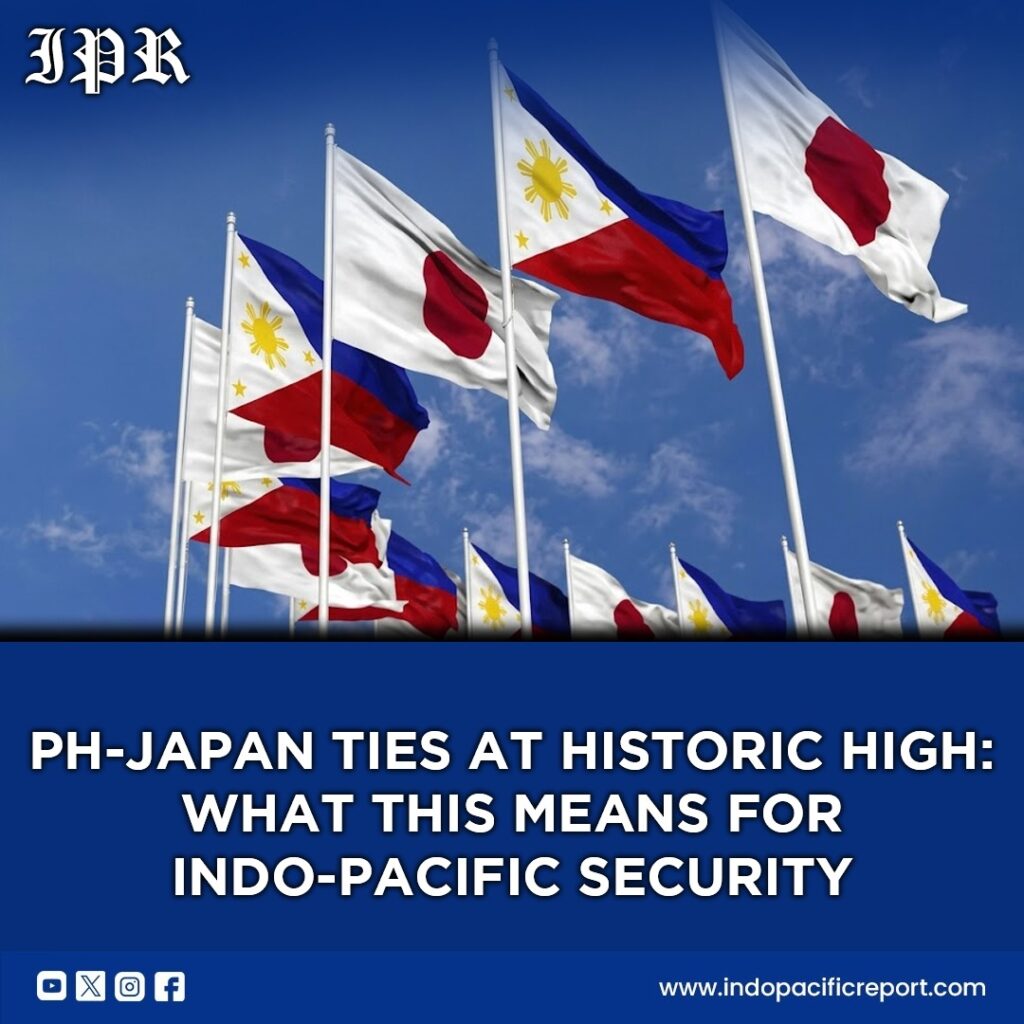
A recent survey by Octa Research shows that Philippine-Japan relations are at one of their strongest points in history. About 79% of Filipinos trust Japan, and 70% describe the bilateral relationship as “very good.” Beyond diplomatic and economic agreements, this reflects deep social trust, giving Manila a stable foundation to strengthen ties with Tokyo in strategic, economic, and defense arenas.
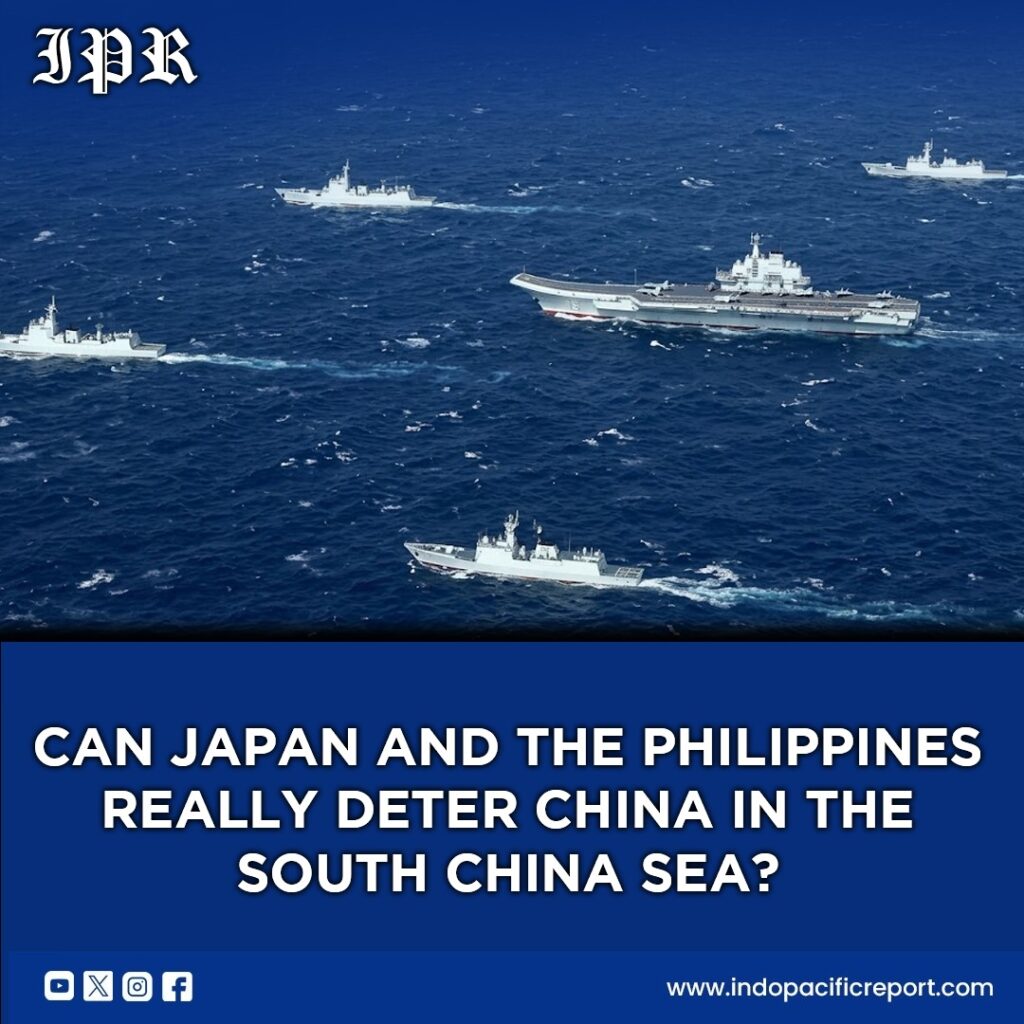
From the perspective of great-power competition, this public confidence is critical. China’s growing assertiveness in the South China Sea and broader Indo-Pacific makes Manila’s alignment with Japan more meaningful. High public trust gives Philippine leaders the legitimacy to pursue stronger defense ties, including joint exercises, logistics support, and coordinated regional diplomacy, without domestic pushback.
In terms of alliance dynamics, this trust complements the existing U.S.-Philippines security relationship. Japan, as a middle power committed to a Free and Open Indo-Pacific (FOIP), provides Manila with strategic flexibility. Public support ensures that partnerships with Tokyo are politically sustainable, allowing the Philippines to navigate between major powers while strengthening multilateral security networks.
Economically, the survey indicates fertile ground for industrial and maritime collaboration. Japan’s investments in technology, infrastructure, and energy projects are reinforced by public goodwill. This social dimension helps safeguard long-term projects, making economic and supply-chain cooperation less vulnerable to domestic political changes, enhancing the Philippines’ economic resilience in a volatile regional environment.
Strategically, strong public trust strengthens the Philippines’ role in Indo-Pacific regional stability. Manila’s alignment with Japan signals reliability to other regional partners such as Australia, South Korea, and ASEAN members. This not only deters coercion from revisionist powers but also facilitates multilateral initiatives like joint naval exercises, resource partnerships, and coordinated maritime governance.
Looking forward, the combination of high public trust, historical ties, and strategic alignment positions the Philippines to play a proactive role in shaping a stable Indo-Pacific. Sustaining this advantage will require continued diplomatic engagement, visible economic and security benefits for Filipino citizens, and active people-to-people exchanges that deepen trust.
Audience Question: With Filipino trust in Japan at record levels, should the Philippines deepen defense and economic ties with Tokyo even if it risks friction with China?