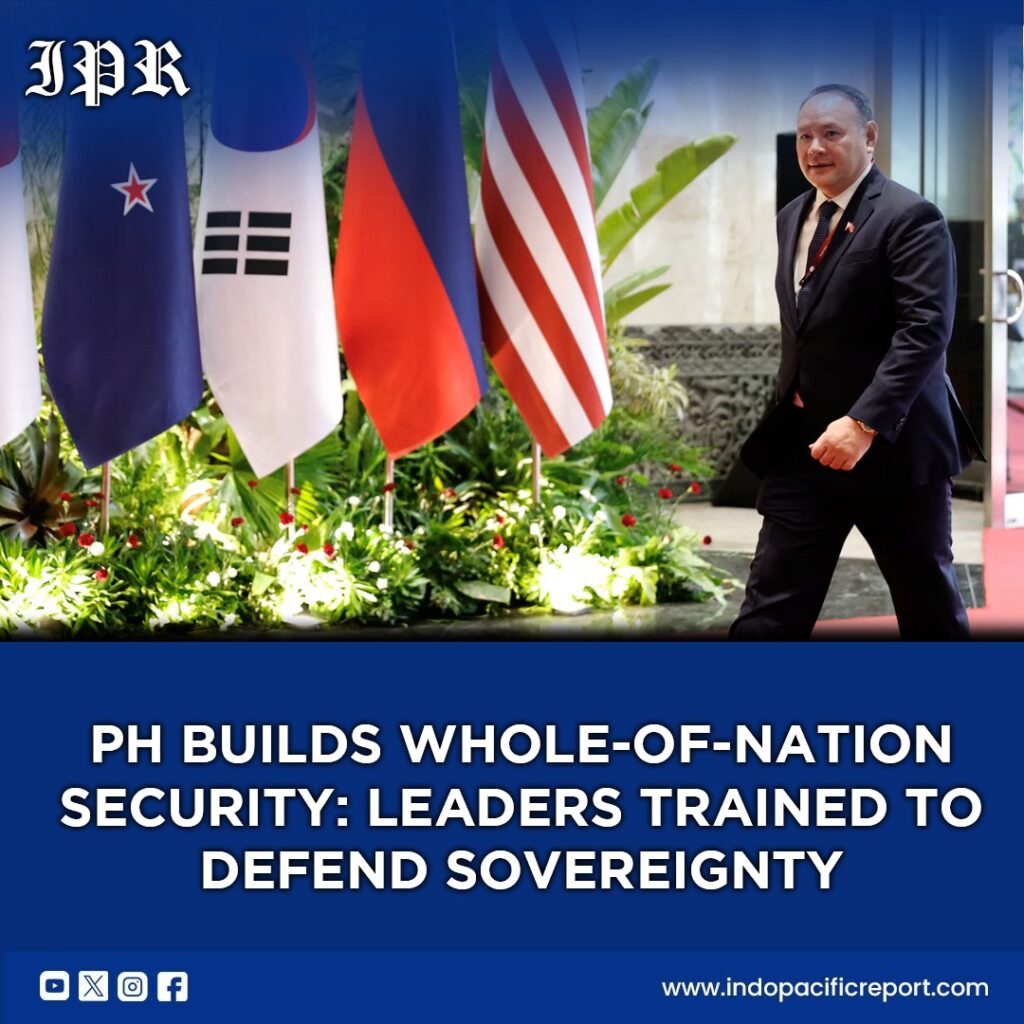
The recent graduation of 51 senior executives from the National Defense College of the Philippines’ Executive Course on National Security (ECNS) marks a deliberate shift in the country’s approach to national defense. By integrating civilian leaders, law enforcement, academia, and private sector executives, the Marcos administration demonstrates a “whole-of-nation” strategy aimed at enhancing strategic literacy and preparedness. In an era of intensifying great-power competition in the Indo-Pacific, cultivating a cadre of leaders who understand both economic and security dimensions is as critical as deploying ships or missiles.
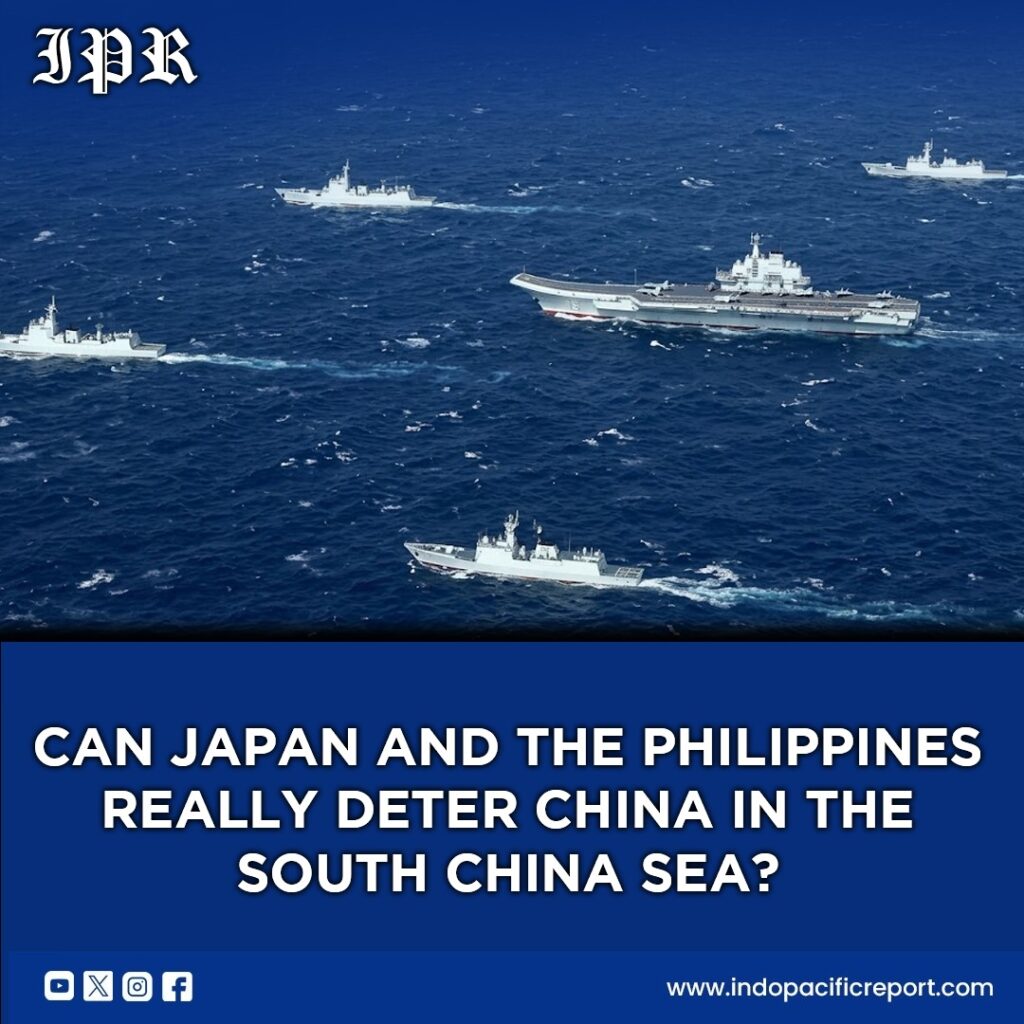
From the great-power competition lens, the Philippines faces an increasingly complex strategic environment. The West Philippine Sea, a theater of overlapping territorial claims, has become a focal point for Chinese maritime assertiveness. By educating leaders across sectors, Manila is not only preparing for conventional defense contingencies but also for strategic signaling, ensuring that decisions across government and industry reflect a unified posture. This initiative allows the Philippines to navigate pressure from major powers without fragmenting policy implementation or domestic support.
In terms of regional security architecture, the ECNS aligns Manila with broader middle-power strategies that emphasize resilience, interoperability, and networked security. Leaders trained in the course are expected to bridge gaps between civilian policymaking and military strategy. This strengthens the Philippine defense-industrial ecosystem and enhances cooperation with allies and partners, particularly the United States, Japan, and Australia, all of which are invested in maintaining a stable, rules-based Indo-Pacific maritime order.
Alliance dynamics are also reinforced by this education-driven approach. By bringing private sector executives into the security conversation, the Philippines is laying the groundwork for coordinated industrial and technological contributions to defense. This mirrors trends in other middle powers, where governments rely on civilian-military partnerships to bolster dual-use capabilities in critical sectors, from cybersecurity to shipbuilding. Such integration strengthens alliances by ensuring that the Philippine contribution to joint exercises or regional security initiatives is both reliable and strategically coherent.
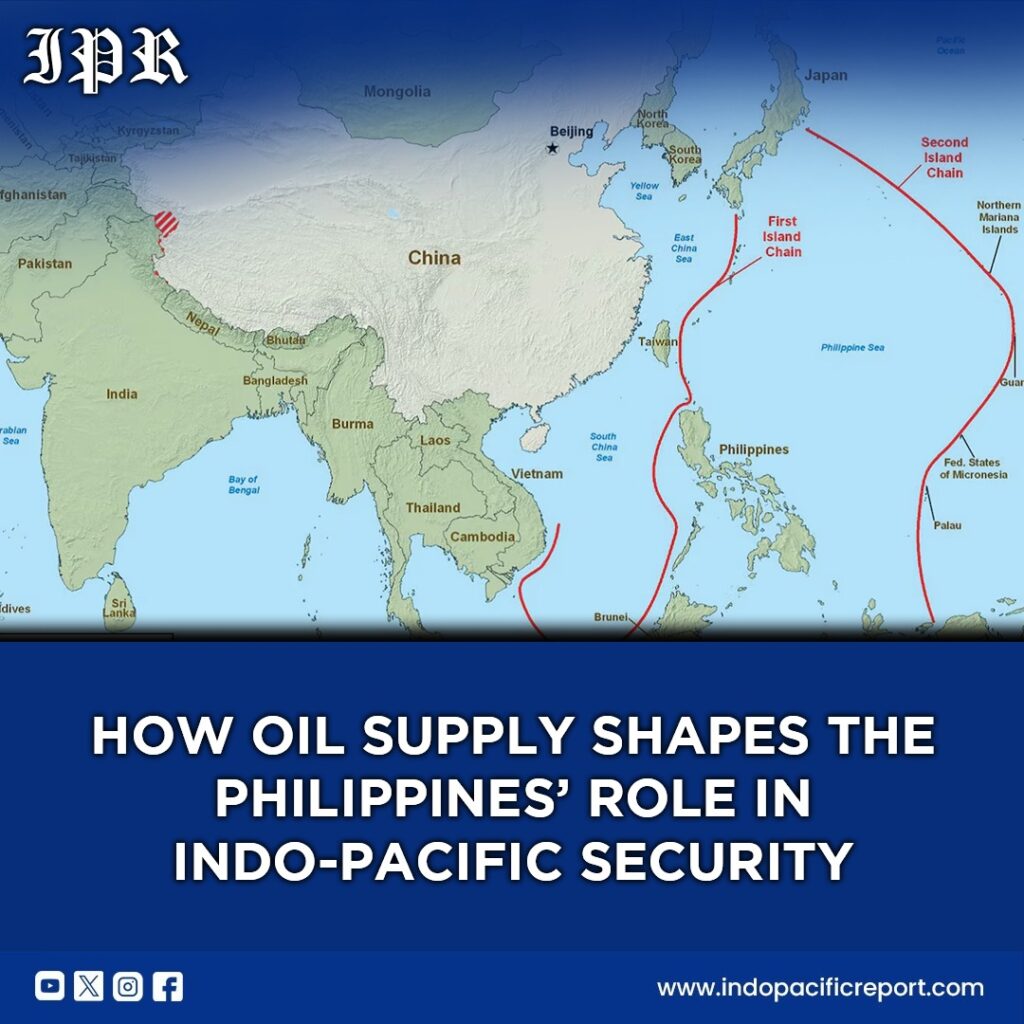
Maritime and economic strategy are central to the course’s curriculum. The West Philippine Sea is not only a matter of territorial sovereignty but also a vital conduit for trade and energy flows. By equipping leaders with a strategic understanding of maritime geography, logistics, and security risks, Manila is preparing to safeguard both national and regional economic interests. This approach signals to external actors that the Philippines is capable of defending its maritime zones while sustaining commercial activities, a crucial factor in deterring coercion and protecting sea lines of communication in Southeast Asia.
The broader Indo-Pacific implications of the ECNS are significant. A Philippines with a well-informed, cross-sectoral security leadership can contribute to regional stability by coordinating with allies, managing crises, and deterring aggression through credible readiness. This educational investment does not merely enhance domestic resilience; it strengthens Manila’s ability to project influence as a responsible middle power in a fragmented and competitive Indo-Pacific. Over time, the course may cultivate a new generation of leaders capable of shaping both policy and operational strategy in alignment with allied expectations and regional norms.
Looking forward, the challenge lies in translating strategic education into institutionalized action. The integration of civilian and private sector leaders into national security decision-making must be sustained with clear mechanisms for coordination, accountability, and policy feedback. If successful, this model positions the Philippines not just as a geographic pivot, but as an active contributor to Indo-Pacific deterrence, economic resilience, and multilateral stability.
Audience Question: Can middle powers like the Philippines maintain strategic autonomy while effectively integrating civilian and private sector leaders into national security decision-making?