Vietnam-China 3+3 Dialogue: Cooperation or Strategic Chessboard?
Vietnam and China recently held their first ministerial-level 3+3 Strategic Dialogue, bringing together top officials from foreign affairs, defense, and public security. The meeting aims to deepen political trust, enhance coordination on security and development, and manage regional challenges. On the surface, it is framed as a platform for cooperation—but beneath lies a careful balancing act, reflecting the complex power dynamics in the Indo-Pacific.
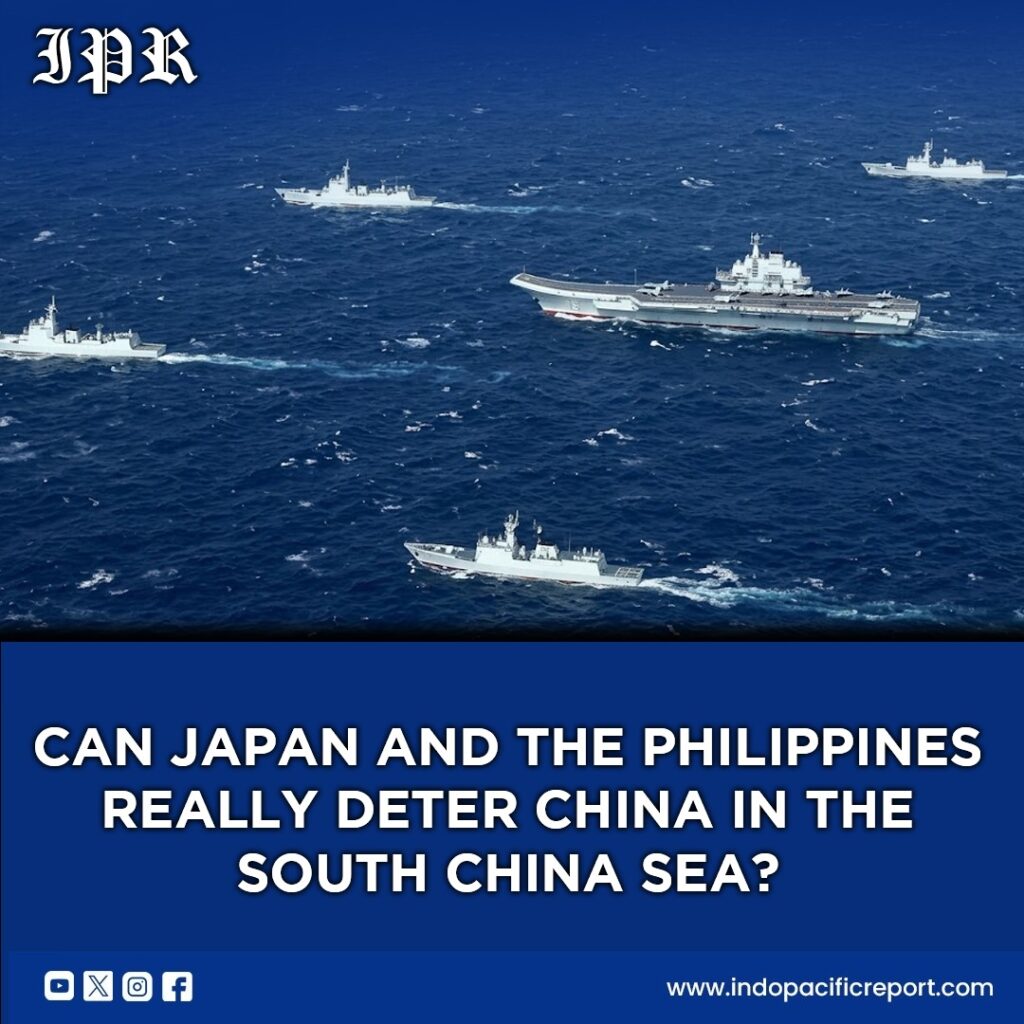
From a great-power competition lens, Vietnam is navigating between engagement and caution. Beijing remains the dominant regional power, but Hanoi seeks to protect its sovereignty and strategic autonomy. The dialogue allows both sides to manage tensions through institutional channels, lowering the risk of misunderstandings or miscalculations, particularly in maritime disputes like the South China Sea.
Regarding regional security architecture, the 3+3 forum strengthens structured communication between key agencies. By linking defense, diplomacy, and internal security, both nations can coordinate on traditional threats, like border disputes, and non-traditional ones, such as cybersecurity, energy security, and transnational crime. This mechanism promotes predictability, which is critical in a region with overlapping claims and rising military presence.
In terms of alliance dynamics, Vietnam uses the dialogue to maintain balance. While engaging China, Hanoi continues to strengthen ties with the United States and ASEAN partners. This approach signals that cooperation does not equal concession. Vietnam can pursue bilateral engagement while keeping its options open with other regional actors—a classic hedging strategy in geopolitics.
On maritime and economic strategy, the dialogue underscores the importance of managing shared challenges. Vietnam and China agreed to coordinate on border management, maritime security, and infrastructure development. Such measures stabilize trade and reduce the risk of small incidents escalating into larger conflicts. Economic collaboration, technology exchange, and security cooperation allow Hanoi to bolster resilience while leveraging China’s economic capacity.
The Indo-Pacific balance of power is subtly affected. The dialogue strengthens predictability but does not remove structural asymmetry—China remains far stronger militarily and economically. However, by institutionalizing coordination, Vietnam reduces the risk of sudden escalation, helping maintain a cautious equilibrium in Southeast Asia.
Looking forward, the 3+3 Strategic Dialogue could serve as a model for balancing cooperation and competition. Vietnam gains a platform to defend its interests, while Beijing gains reassurance in its southern periphery. Yet strategic tensions remain, especially in the South China Sea. The long-term stability of the region will depend on Hanoi’s ability to maintain independence, ASEAN cohesion, and the posture of external powers like the U.S.
Audience Question:
Will Vietnam-China dialogues actually reduce tension in the South China Sea, or just mask deeper strategic competition?