U.S Navy Ship Docks at Cagayan de Oro Port For Balikatan 2026 Expanding US Military Presence in WPS!
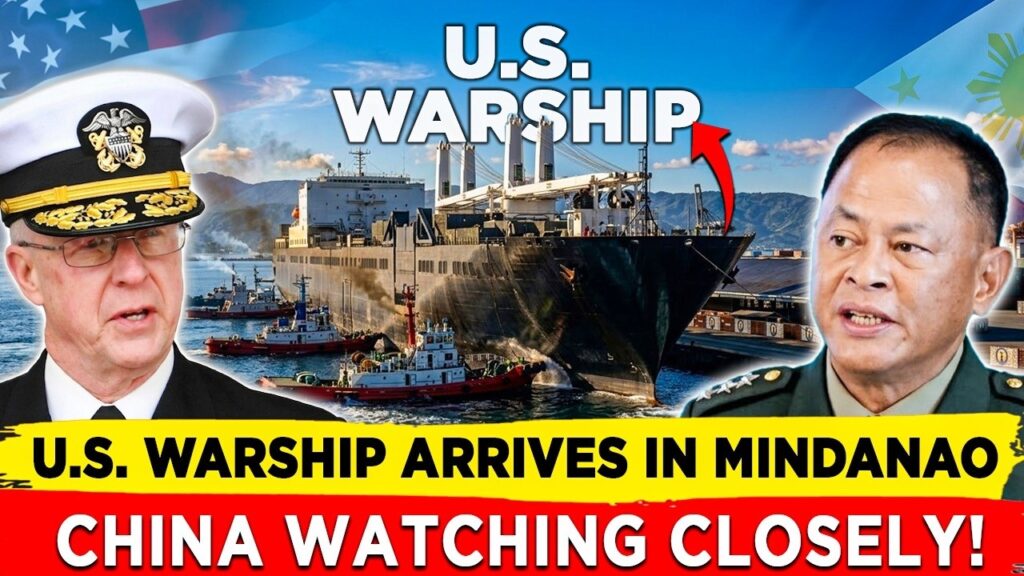
Preparations are underway at the Port of Macabalan in Cagayan de Oro as a U.S. Navy ship prepares to dock as part of ongoing military cooperation with the Philippines. The visit is linked to the annual Balikatan exercises—one of the largest and most important training programs between the two allies. Balikatan, which means “shoulder-to-shoulder” in Filipino, brings thousands of troops together each year to practice coastal defense, crisis coordination, and humanitarian disaster response. Recent editions of the drills have involved more than 16,000 troops, reflecting the growing scale of the alliance.
What makes this development especially significant is its location. Most U.S.–Philippines military activities have traditionally focused on Luzon near the South China Sea and the Taiwan Strait. Now, attention is gradually expanding southward to Mindanao. With facilities such as Lumbia Air Base operating under the Enhanced Defense Cooperation Agreement, the region is becoming an important hub for training, logistics, and allied coordination. The docking of a U.S. Navy ship here signals a deeper shift—one that reflects the strengthening alliance between Washington and Manila and the rapidly evolving security dynamics of the Indo-Pacific.
Balikatan Exercises and Operational Objectives
Behind the docking of a U.S. Navy ship in Cagayan de Oro is the larger framework of Balikatan, the annual training program that has become the backbone of military cooperation between Washington and Manila. Meaning “shoulder-to-shoulder,” Balikatan brings together thousands of troops each year to strengthen coordination between the two militaries. What began decades ago as modest training drills has now grown into one of the largest military exercises in Southeast Asia, with recent editions involving more than 16,000 personnel, along with naval vessels, aircraft, and advanced defense systems.
US Troops Conduct Humanitarian Training in Cagayan de Oro: Strategic Implications
In Northern Mindanao, the exercises include simulated coastal defense operations and amphibious landing drills in Macabalan Bay, where U.S. and Philippine forces train side by side. American troops work closely with units from the Philippine Army’s 4th Infantry Division to improve interoperability—the ability of allied forces to operate seamlessly during real-world crises. The drills also focus heavily on humanitarian assistance and disaster response, an essential capability for a country like the Philippines, which faces frequent typhoons and natural disasters. Together, these exercises ensure that both militaries are prepared not only for security challenges but also for emergency response missions across the Indo-Pacific.
The Role of EDCA and U.S. Military Infrastructure
Beyond naval visits and joint drills, a deeper transformation of the alliance is taking place through military infrastructure development in the Philippines. A key example is Lumbia Air Base, which has become one of the strategic sites under the Enhanced Defense Cooperation Agreement. Under EDCA, U.S. forces are allowed to rotate through selected Philippine bases, store equipment, and support joint training activities while the facilities remain under Philippine ownership. In recent months, American personnel have arrived at Lumbia to assist with training operations connected to Balikatan and other cooperative missions.https://indopacificreport.com/us-troops-conduct-humanitarian-training-in-cagayan-de-oro-strategic-implications/

But EDCA goes beyond troop rotations. The agreement also supports the development of infrastructure that improves logistics, joint training, and rapid deployment capabilities during emergencies. Upgrades to airfields, storage facilities, and support systems are already underway in several locations across the Philippines. In Northern Mindanao, plans to expand military infrastructure in Misamis Oriental could eventually turn the region into an important hub for allied operations. Strategically, these developments strengthen the forward posture of the U.S.–Philippines alliance and enhance both countries’ ability to respond quickly to security challenges and humanitarian crises across the Indo-Pacific.
China’s Yaogan Satellites Signal New Phase in Indo-Pacific Strategic Competition
Strategic Importance of Mindanao
To understand why the docking of a U.S. Navy ship in Cagayan de Oro matters, you have to look at the map. The Philippines sits at a critical maritime crossroads linking the Pacific Ocean, Southeast Asia, and the Indian Ocean. In the south lies Mindanao, particularly Northern Mindanao, which sits close to important waterways such as the Sulu Sea. These routes connect shipping lanes leading toward the South China Sea, through which roughly one-third of global maritime trade—worth more than $3 trillion annually—passes. Because of this geography, ports like Cagayan de Oro offer valuable access to sea lanes linking the Pacific with Indonesia, Malaysia, and mainland Southeast Asia.
For decades, most joint U.S.–Philippines military activities were concentrated in Luzon, closer to the South China Sea and Taiwan Strait. But expanding training into Mindanao broadens the defensive coverage of the archipelago and creates a wider operational network for allied forces. Beyond traditional defense missions, the region is also important for humanitarian response, as southern Philippines frequently faces typhoons, floods, and other disasters. By conducting exercises here, both countries improve their ability to respond to maritime threats, regional crises, and natural disasters. In strategic terms, Mindanao is gradually emerging as another key location in the evolving security landscape of the Indo-Pacific.
Great-Power Competition Context
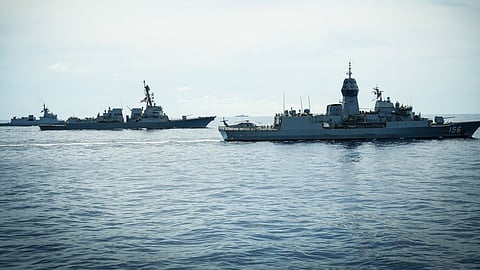
The docking of a U.S. Navy ship in Cagayan de Oro is part of a much larger strategic picture unfolding across the Indo-Pacific. Over the past decade, the United States has strengthened its regional strategy by deepening alliances with key maritime partners such as the Philippines, Japan, and Australia. The Philippines is especially important because it lies along the so-called First Island Chain, a strategic arc stretching from Japan through Taiwan to Southeast Asia that shapes access to the western Pacific. Expanding cooperation through agreements like the Enhanced Defense Cooperation Agreement and exercises like Balikatan helps strengthen this network of regional partnerships.
Indonesia and Australia Expand Security Ties: Middle Powers Step Up in the Indo-Pacific
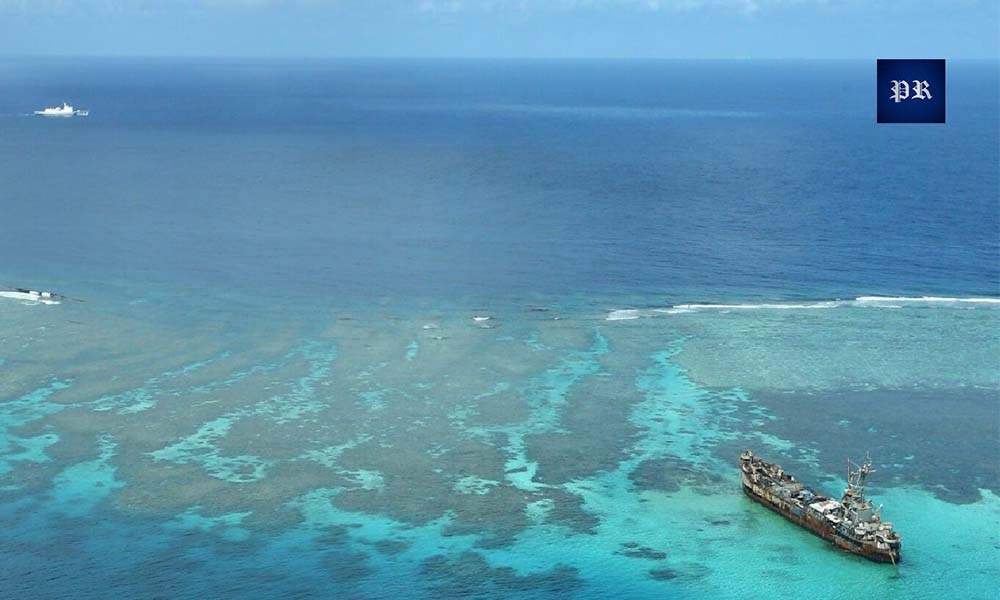
At the same time, these developments are closely linked to rising tensions with China in the West Philippine Sea, particularly around disputed areas such as Second Thomas Shoal. Encounters between Philippine and Chinese vessels have increased in recent years, and major exercises like Balikatan are often closely monitored by Chinese naval units. For Washington and Manila, these activities serve as a form of deterrence—demonstrating their commitment to defending shared interests and maintaining stability in the region. In that context, even a single port visit carries a broader message: the Indo-Pacific remains a key arena in today’s evolving great-power competition.
Alliance Dynamics and Regional Partnerships
The growing military activity in the Philippines reflects more than just bilateral cooperation with the United States. It is part of a broader shift in how security partnerships are forming across the Indo-Pacific. The alliance between the two countries—rooted in the Mutual Defense Treaty—has expanded significantly in recent years. Joint exercises have become larger and more sophisticated, including training in amphibious operations, coastal defense, cyber coordination, and maritime surveillance. Infrastructure development under the Enhanced Defense Cooperation Agreement has also strengthened the logistical backbone of the partnership, allowing both militaries to coordinate more effectively during joint missions.
At the same time, the region’s security environment is becoming increasingly multilateral. Exercises in and around the Philippines have involved additional partners such as Australia and growing cooperation with Japan. These partnerships are part of what analysts call a networked security architecture, where countries build interconnected defense relationships to address shared challenges across the Indo-Pacific. Members of the Association of Southeast Asian Nations also play an important role in maintaining regional stability and open sea lanes. As these partnerships deepen, the Philippines is increasingly emerging as a key hub connecting allied cooperation across the region.
Domestic and Political Messaging
While the military aspects of the exercises are important, public perception inside the Philippines also plays a key role. The presence of foreign troops—especially American forces—has historically been a sensitive issue shaped by politics, history, and national identity. Because of this, the Armed Forces of the Philippines has emphasized that the docking of a U.S. Navy ship and the activities linked to Balikatan are routine training exercises designed to strengthen defense coordination, improve disaster response capabilities, and enhance national readiness.
https://youtu.be/z8DsfwgZO5o?si=9ZCRK34NFuexNhSC
Officials have also reassured communities in Northern Mindanao that the drills are not connected to conflicts in other regions of the world. Instead, they stress that the activities focus on preparedness, humanitarian response, and alliance coordination within the Philippines. This messaging is important for maintaining domestic support for agreements such as the Enhanced Defense Cooperation Agreement, which relies not only on government policy but also on public trust. By highlighting transparency and the practical benefits of cooperation, Philippine leaders aim to ensure that the alliance is seen as strengthening national security while respecting Philippine sovereignty.https://www.youtube.com/watch?v=Ys8dncPDNUA
Strategic Implications for the Indo-Pacific
Taken together—the port visit, the expanded Balikatan drills, new infrastructure projects, and growing regional partnerships—a larger strategic picture becomes clear. What may look like a routine naval stop in Cagayan de Oro is actually part of a broader shift in the Indo-Pacific security landscape. By increasing access to training areas and logistical hubs across the Philippines, the United States is strengthening its ability to operate along vital maritime routes that connect the Pacific Ocean with Southeast Asia. Positioned along the First Island Chain and close to the South China Sea, the Philippines holds a critical geographic role in maintaining stability across the region.
China Escalates Military Pressure Near Taiwan, Raising Regional Alarm
At the same time, these activities also strengthen the Philippines’ own defense capabilities. Through joint training, infrastructure upgrades, and operational coordination, the Armed Forces of the Philippines improves interoperability with allied forces and gains access to advanced military practices. Agreements such as the Enhanced Defense Cooperation Agreement have created a network of strategic facilities across the archipelago that support both defense operations and humanitarian missions. Ultimately, this growing cooperation signals a broader commitment to regional maritime security and highlights how alliances and partnerships are increasingly shaping the balance of power across the Indo-Pacific.https://www.youtube.com/watch?v=z8DsfwgZO5o
Forward-Looking Assessment
Looking ahead, the developments in Northern Mindanao could signal the start of a broader strategic shift. For decades, most U.S.–Philippines military cooperation focused on the northern part of the country near the South China Sea and the Taiwan Strait. Now, with growing activity in Cagayan de Oro and facilities such as Lumbia Air Base, Mindanao could gradually become an important hub for allied training, logistics, and rapid response operations. Its proximity to key waterways like the Sulu Sea makes it well positioned to support maritime patrols, humanitarian missions, and joint exercises.
China’s Military Surge Near Taiwan: Implications for Indo-Pacific Stability
At the same time, the growing scale of drills such as Balikatan points to deeper integration between the two militaries. More frequent exercises improve coordination, strengthen deterrence, and signal that both countries are prepared to respond collectively to regional challenges. As cooperation expands through frameworks like the Enhanced Defense Cooperation Agreement, the Philippines is increasingly emerging as a key strategic hub in the Indo-Pacific. What may appear today as a single port visit could, in reality, be part of a much larger story—one that reflects the Philippines’ growing role in shaping the future security architecture of the region.
https://youtu.be/wkQgcz5w6_k?si=spqblmi6YxlU8Cds