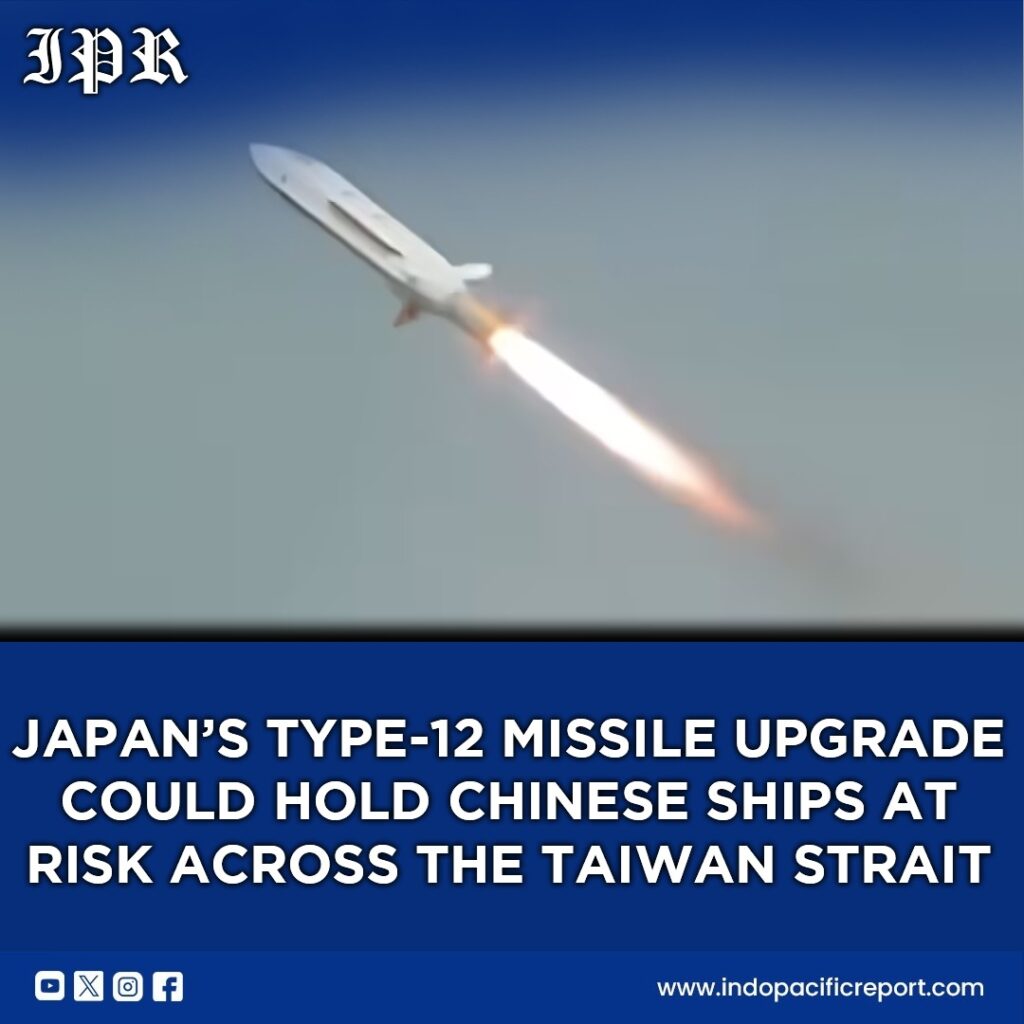
Japan is taking a decisive step in recalibrating its military posture with the deployment and planned upgrade of its Type-12 truck-mounted anti-ship missile system. Originally developed for coastal defense with a 124-mile (200 km) range, the missile is set to be upgraded to strike targets up to 621 miles (1,000 km). Once operational, this extended-range Type-12 could threaten Chinese naval assets across the East China Sea and much of the Taiwan Strait, representing a strategic shift from strictly defensive operations to a form of preemptive deterrence.
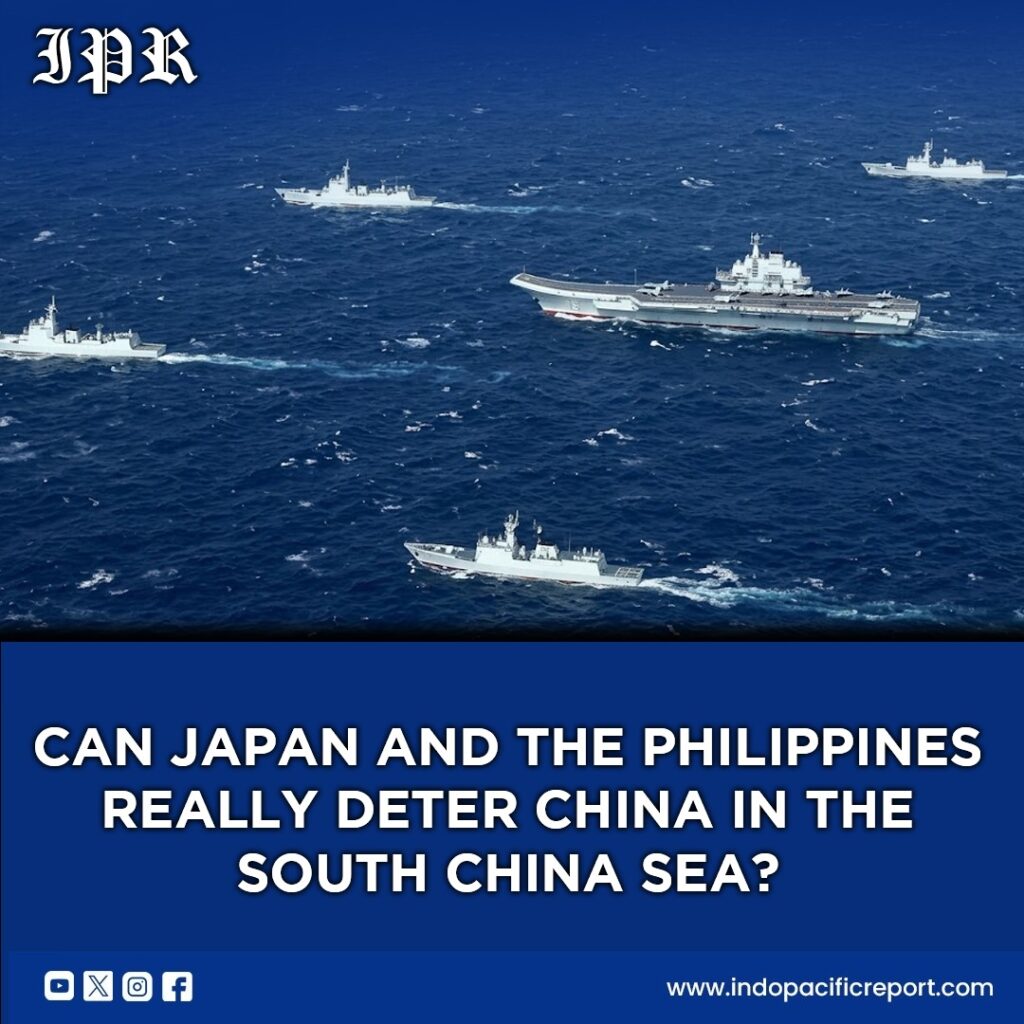
From a great-power competition perspective, the upgraded Type-12 missile signals Japan’s recognition of China’s expanding naval capabilities. The People’s Liberation Army Navy (PLAN) continues to build advanced surface combatants, submarines, and amphibious vessels capable of projecting power beyond China’s immediate coastline. By fielding a missile system capable of striking naval formations far from Japan’s shores, Tokyo is raising the costs for any potential PLAN operations near its territory or toward Taiwan.
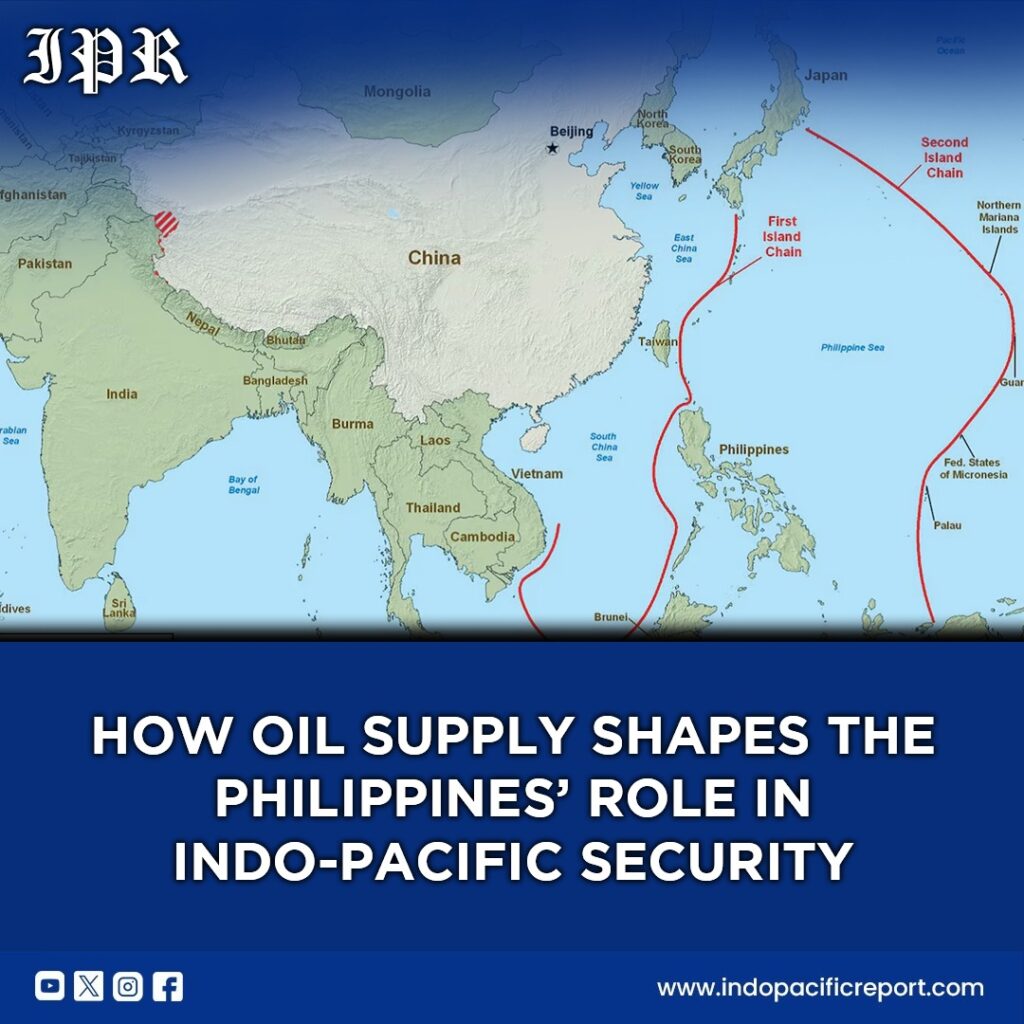
The move also affects the regional security architecture. The Type-12’s extended reach complements the U.S.-Japan alliance’s layered defense strategy, reinforcing the “First Island Chain” as a buffer against Chinese maritime expansion. The ability to threaten Chinese fleets approaching key chokepoints such as the Miyako Strait, Tokara Strait, and Okinawa island chain improves situational awareness and adds depth to Japan’s anti-access/area-denial (A2/AD) posture without requiring forward deployment of Japanese ships or aircraft.
In terms of alliance dynamics, Japan’s missile upgrade strengthens deterrence signaling to both allies and adversaries. The United States, which relies on bases across Japan for regional power projection, benefits from Tokyo’s enhanced strike capabilities as part of a broader regional containment framework. Moreover, Japan’s actions indirectly support U.S. commitments to Taiwan and broader Indo-Pacific stability, demonstrating that Tokyo is willing to invest in capabilities that deter aggression while remaining aligned with Washington’s strategic objectives.
Maritime and economic strategy implications are also significant. By holding the East China Sea and the Taiwan Strait within missile range, Japan can potentially protect critical sea lines of communication, including shipping lanes vital for energy imports and regional trade. The upgraded Type-12 reduces the need for Japan to rely solely on U.S. naval forces to secure these routes, providing Tokyo with greater autonomy in safeguarding its economic lifelines.
Implications for the Indo-Pacific balance of power are clear. Japan’s upgraded missiles introduce a credible counter-strike capability, complicating Chinese operational planning and reinforcing deterrence. While still defensive in official doctrine, the capability allows Japan to interdict Chinese movements without crossing its constitutional limits, blending conventional defense with strategic signaling. In effect, Tokyo is bridging the gap between self-defense and limited regional strike capacity, shaping the strategic calculus for any Chinese naval maneuver in the area.
Forward-looking assessment: Japan’s Type-12 missile upgrade marks a historic evolution in post-World War II military thinking. It signals that Japanese defense policy is increasingly proactive, calibrated to deter Chinese aggression in the East China Sea and the Taiwan Strait. Looking ahead, the deployment will likely accelerate regional arms competition and encourage neighboring states to enhance long-range maritime strike capabilities. It also highlights the increasing role of land-based missile systems in shaping Indo-Pacific naval strategy without large-scale fleet expansion.
Audience Question: Should Japan’s upgraded Type-12 missiles be viewed as a purely defensive measure, or do they mark the start of a new era of proactive strike capability in the Indo-Pacific?