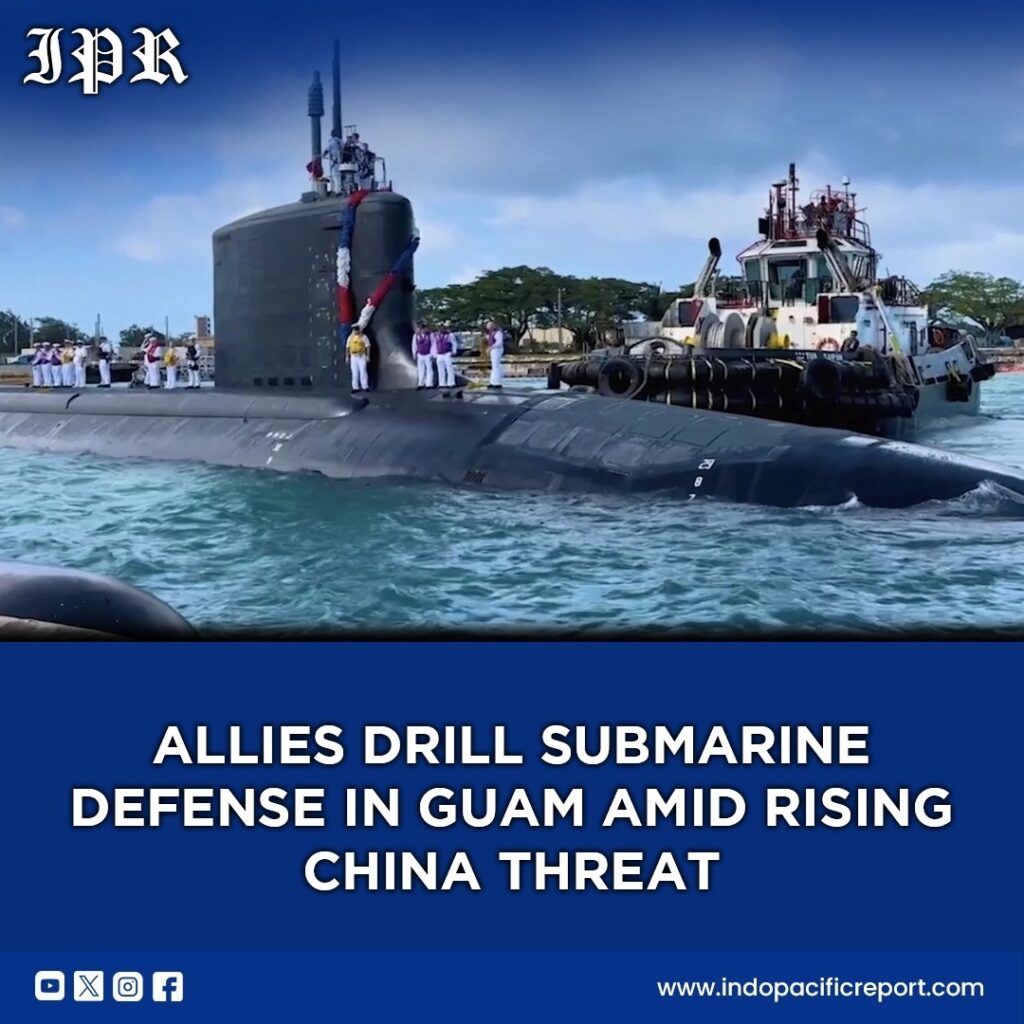
The commencement of Exercise Sea Dragon 2026 in Guam underscores the growing importance of anti-submarine warfare (ASW) in the Indo-Pacific. Led by the United States Navy and including participants from the Royal Australian Air Force, the Indian Navy, the Japan Maritime Self-Defense Force, and the Royal New Zealand Air Force, the two-week exercise demonstrates a deliberate effort to enhance operational readiness in a contested maritime environment. The deployment of the RAAF’s P-8A Poseidon aircraft and aviators from No. 12 Squadron highlights the integration of advanced surveillance platforms with multinational crews, reflecting the strategic priority placed on undersea domain awareness.
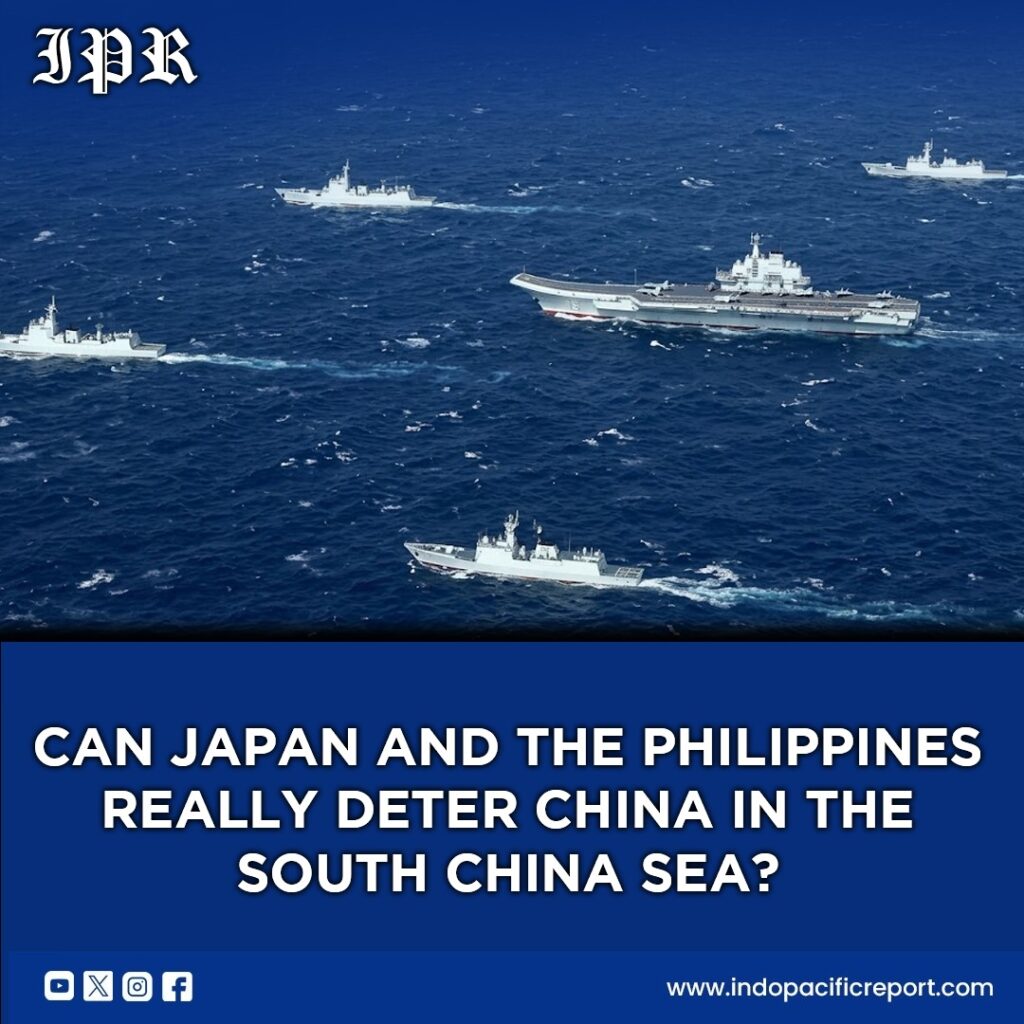
From a great-power competition perspective, Exercise Sea Dragon reflects rising concerns over the growing capabilities of the People’s Liberation Army Navy (PLAN). China has invested heavily in submarines, including nuclear-powered and advanced attack submarines, capable of threatening both U.S. carrier strike groups and regional shipping lines. Multinational ASW exercises are designed to counterbalance these developments, signaling to Beijing that allied and partner forces are enhancing the capacity to detect, track, and, if necessary, neutralize undersea threats. The exercise therefore functions as both a training event and a strategic deterrent, demonstrating collective competence in domains that China increasingly seeks to dominate.
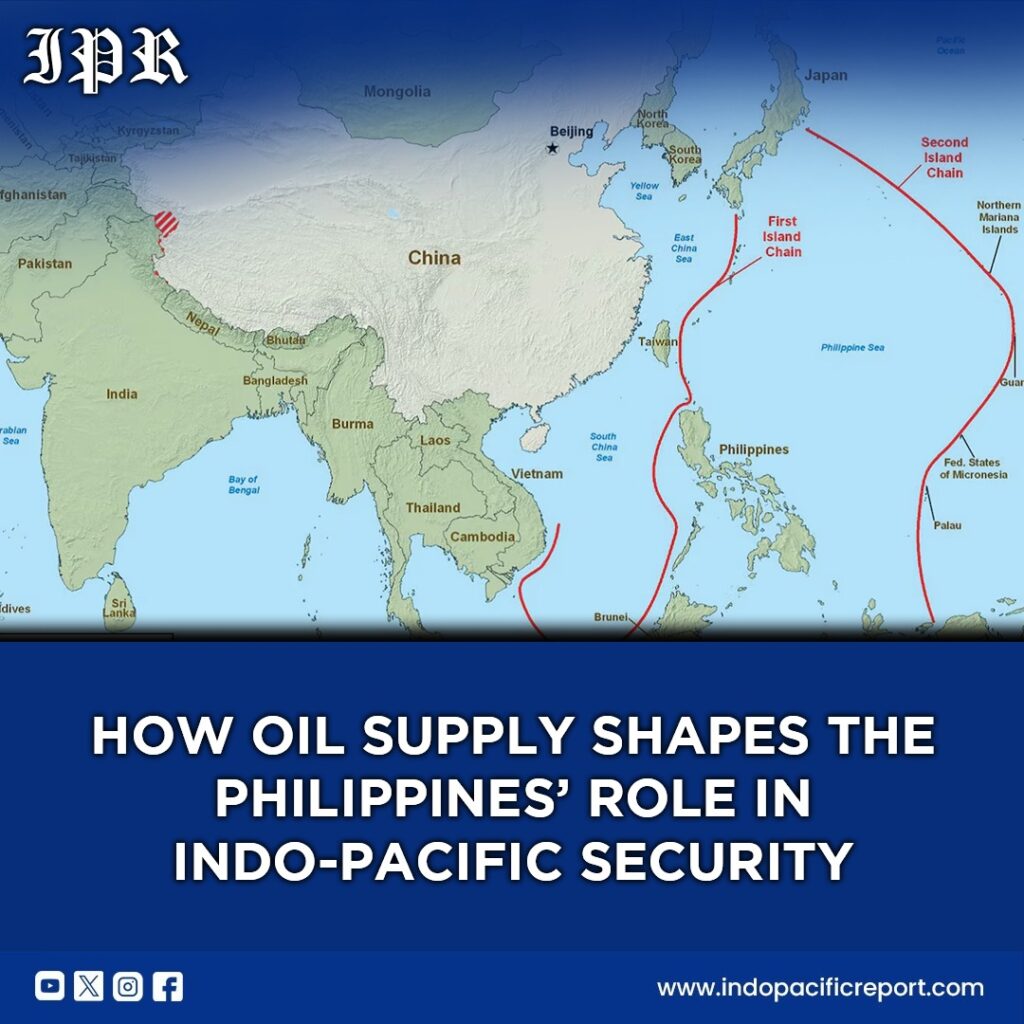
In terms of regional security architecture, the exercise strengthens the operational linkages between First and Second Island Chain nations. By operating in the waters around Guam, forces rehearse scenarios that could extend to key chokepoints like the Philippine Sea, the South China Sea, and the Taiwan Strait. Interoperable ASW tactics, communication protocols, and sensor integration reinforce a layered maritime defense architecture. This aligns with U.S. strategic guidance emphasizing the importance of maintaining freedom of navigation and undersea awareness across the Indo-Pacific, ensuring that regional trade flows and energy routes remain secure.
Alliance dynamics are a central feature of Exercise Sea Dragon. Participation by Australia, Japan, India, and New Zealand reflects a commitment to multilateral security cooperation beyond traditional bilateral frameworks. For Australia and Japan, in particular, the exercise strengthens operational cohesion with the U.S. Navy, while India’s inclusion signals a broader Quad-centric security approach. By working together in complex undersea warfare scenarios, these nations reinforce trust, shared procedures, and collective deterrence messaging to regional actors, particularly China.
From a maritime and economic strategy standpoint, the exercise carries significant implications. ASW proficiency directly protects the shipping lanes that carry the majority of global trade, including critical energy imports. By demonstrating credible undersea surveillance and response capabilities, the exercise helps stabilize the commercial environment and ensures continuity of maritime logistics. In an era of gray-zone maritime coercion and potential submarine-enabled disruptions, robust ASW capabilities act as both an operational hedge and an economic safeguard.
Looking at the broader Indo-Pacific balance of power, Exercise Sea Dragon represents a subtle yet powerful signal. It emphasizes that control of the undersea domain is now central to regional power dynamics. By integrating advanced sensors, intelligence sharing, and multinational coordination, allied forces improve both their defensive and offensive posture. The exercise suggests that the U.S. and its partners are not only prepared to counter high-end submarine threats but are also shaping a security environment where regional adversaries must consider undersea vulnerabilities in their calculations.
Forward-looking assessment: Exercise Sea Dragon 2026 is more than a routine ASW drill. It is a manifestation of strategic foresight: the recognition that undersea warfare will define maritime power projection in the coming decades. By enhancing interoperability, refining ASW tactics, and projecting collective readiness, the exercise strengthens deterrence and contributes to a resilient security architecture in the Indo-Pacific. For regional competitors, the lesson is clear: the oceans are no longer opaque, and stealth is increasingly contested. The future of maritime dominance will hinge not solely on fleet size, but on the ability to see, track, and counter threats beneath the waves.
Audience question: As undersea capabilities become central to Indo-Pacific security, should regional powers prioritize AI-enabled ASW and sensor networks over traditional fleet expansion?