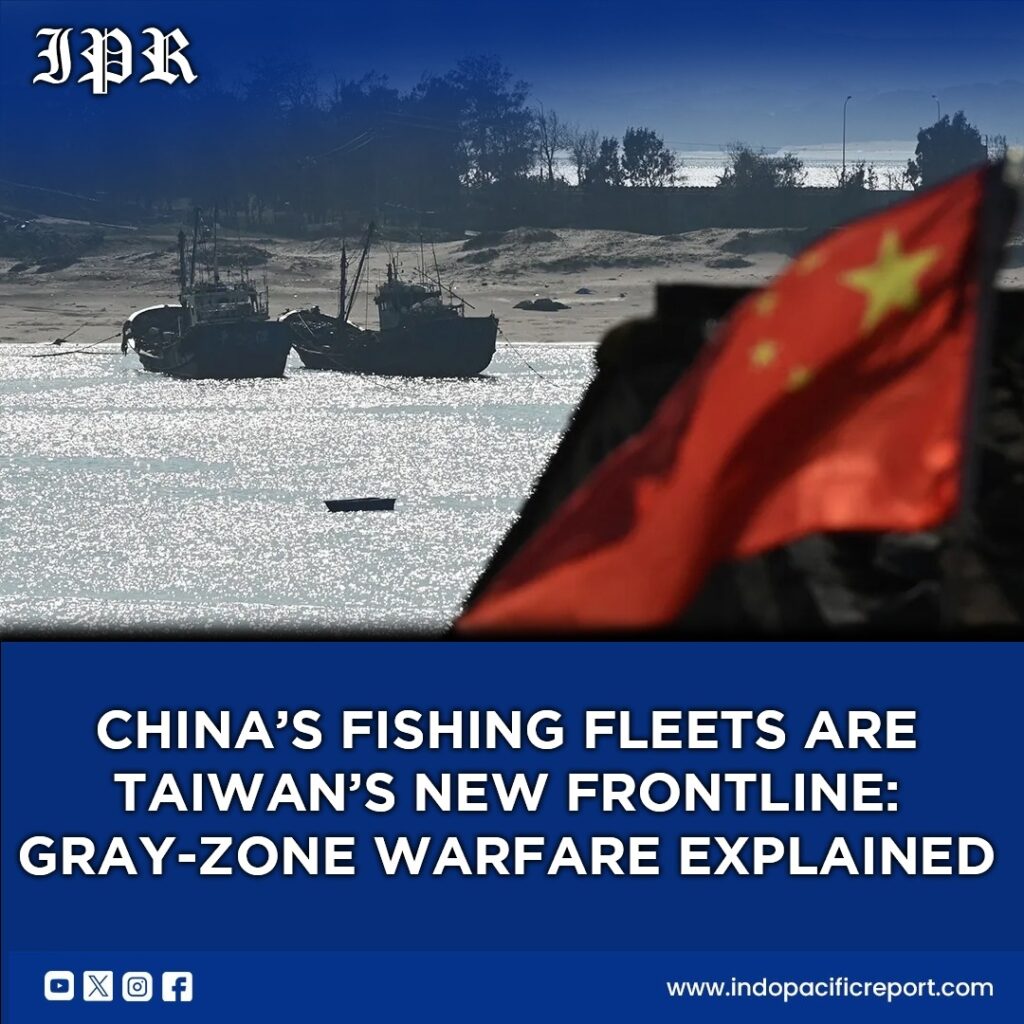
In late 2025, satellites tracked a striking phenomenon near Taiwan: thousands of Chinese fishing boats forming tight, coordinated groups. Some formations involved over 2,000 vessels. At first glance, they looked like ordinary fishing activity. But experts now say these fleets are acting under China’s military direction, part of what is called a “maritime militia.” This represents a new form of gray-zone warfare—coercion below the level of open combat.
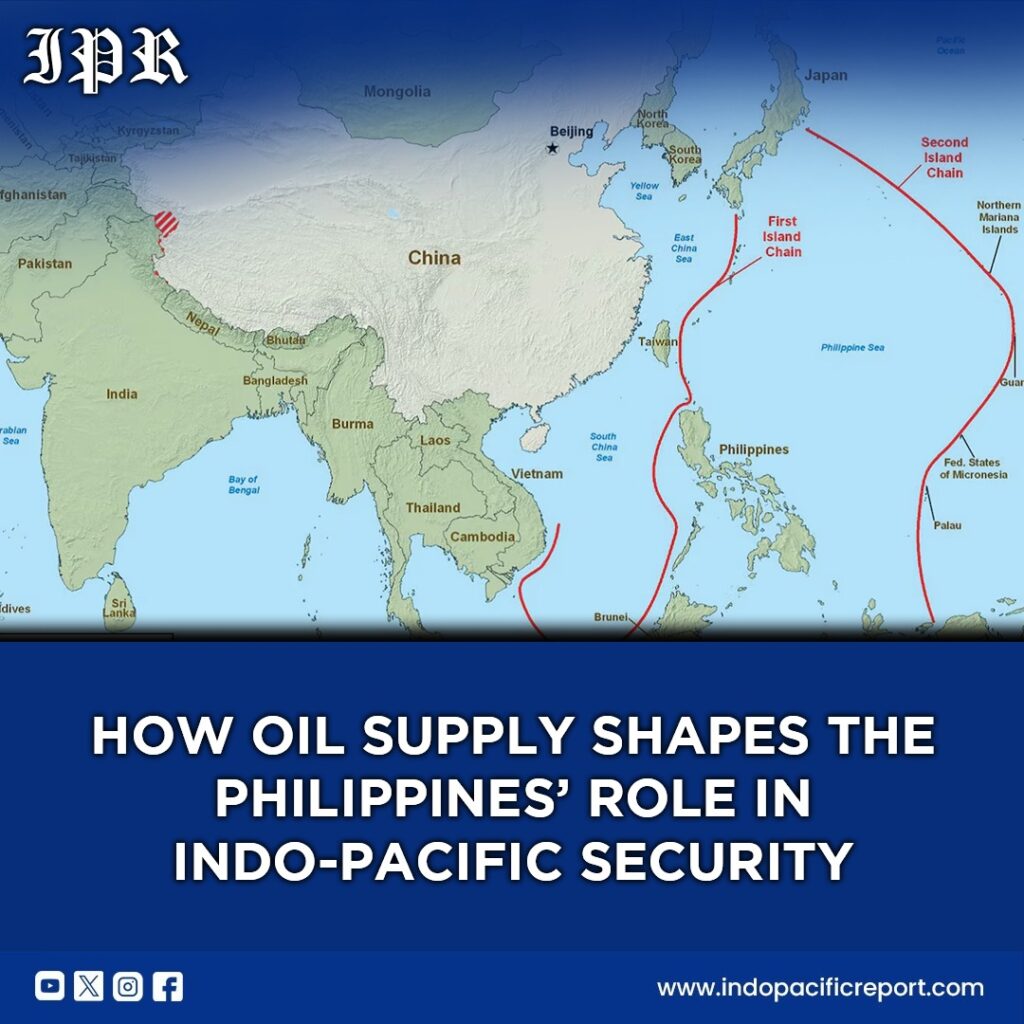
For great-power competition, these flotillas give China a low-cost way to project power in the Taiwan Strait. Civilian-looking vessels create uncertainty for Taiwan and the U.S., forcing extra surveillance and caution. By avoiding traditional warships, China can pressure Taiwan without triggering a full military confrontation. This is a strategic tool in Beijing’s broader plan to control the First Island Chain.
Looking at regional security architecture, these operations complicate defense planning. Traditional naval forces are designed to face warships and submarines, not thousands of civilian vessels acting as part of a military plan. Taiwan and its allies must rethink maritime deterrence, combining ships, drones, and satellites to track and respond to gray-zone threats.
From an alliance perspective, the U.S. and regional partners face legal and operational challenges. Gray-zone assets blur the line between civilian and military. Responding too aggressively risks escalation, but ignoring the threat undermines deterrence. Advanced surveillance, intelligence sharing, and rapid-response coordination are now critical to maintaining stability.
In maritime and economic strategy terms, these formations affect shipping and ports. Taiwan’s major ports, like Kaohsiung, handle LNG, petrochemicals, and semiconductors. Even temporary disruptions can ripple through global supply chains. China’s maritime militia thus creates leverage that is both military and economic, without firing a single shot.
For the Indo-Pacific balance of power, this trend signals a shift in regional dynamics. Gray-zone pressure is now part of China’s standard toolkit. Neighboring countries—Japan, South Korea, the Philippines—will need to integrate non-traditional threats into defense planning. If left unchecked, such tactics could normalize coercive actions and weaken freedom of navigation.
Looking ahead, Taiwan and its partners must prioritize intelligence-driven deterrence. Satellites, drones, and maritime patrols will be as important as destroyers and submarines. The key strategic question is whether gray-zone pressure can be managed without escalating into full-scale conflict. How nations respond now will shape the balance of power in the Taiwan Strait and the wider Indo-Pacific for years to come.
Audience question:
Can Taiwan and its allies deter China’s maritime militia without triggering a war, or is escalation unavoidable?