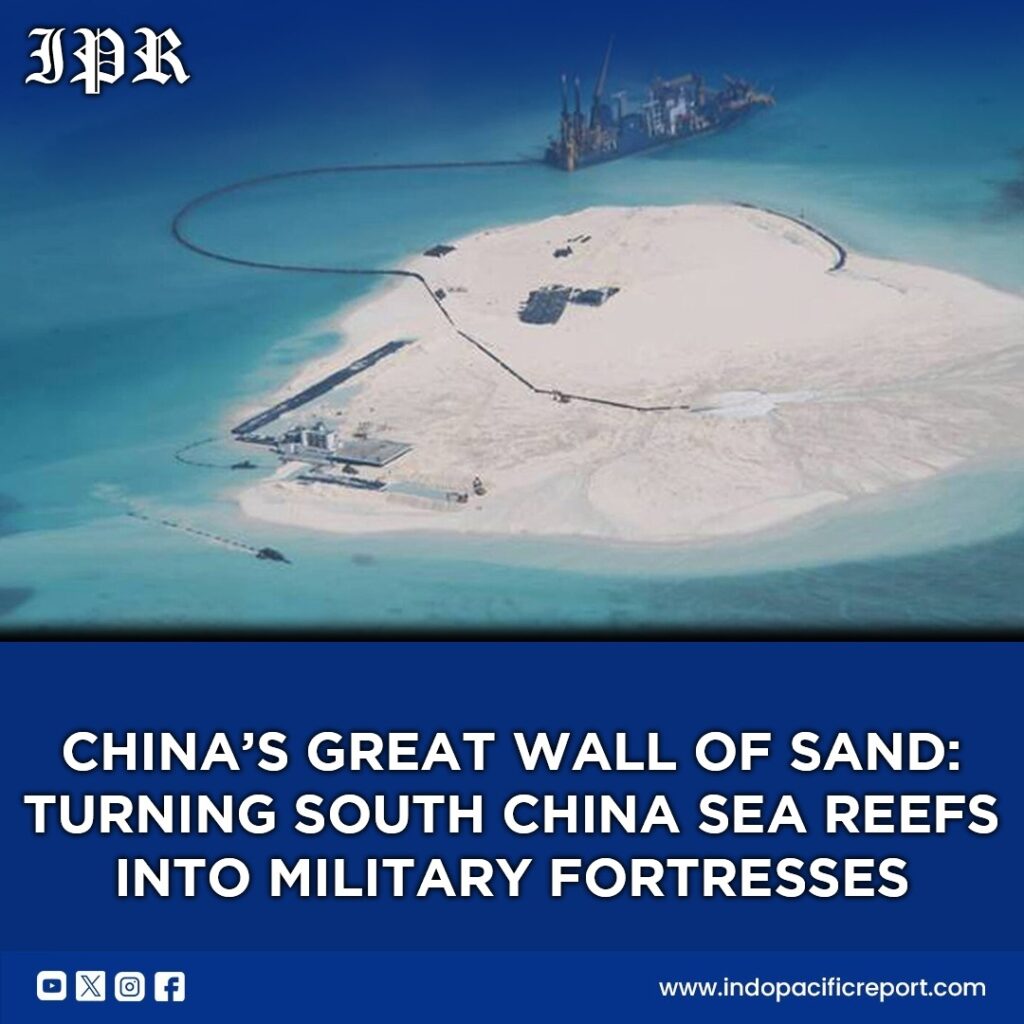
China has escalated its island-building campaign in the South China Sea, deploying over 20 dredgers to convert reefs and shoals into military-ready bases. The latest focus is on the Antelope Reef in the Paracel Islands, claimed by Vietnam and Taiwan, highlighting Beijing’s continued disregard for international norms despite pledges in 2015 to halt expansion. This massive “industrial campaign” is not merely construction; it represents a strategic assertion of control over one of the world’s most critical maritime corridors.
From a great-power competition perspective, China’s efforts are a direct challenge to U.S. influence in the Indo-Pacific. By militarizing contested islands, Beijing projects power across the South China Sea, extending the reach of its air, missile, and naval systems. These bases strengthen China’s anti-access/area-denial (A2/AD) capabilities, complicating potential U.S. or allied military operations. The campaign signals that China is willing to leverage geography and industrial capacity to solidify dominance over strategic waterways.
In terms of regional security architecture, these moves exacerbate instability in Southeast Asia. Neighboring states such as Vietnam and the Philippines face mounting pressure as Beijing consolidates territorial control. Multilateral mechanisms like ASEAN have struggled to enforce rules or negotiate binding agreements. The imbalance created by China’s bases undermines confidence-building measures, heightens the risk of accidental clashes, and shifts the equilibrium in favor of the regional hegemon.
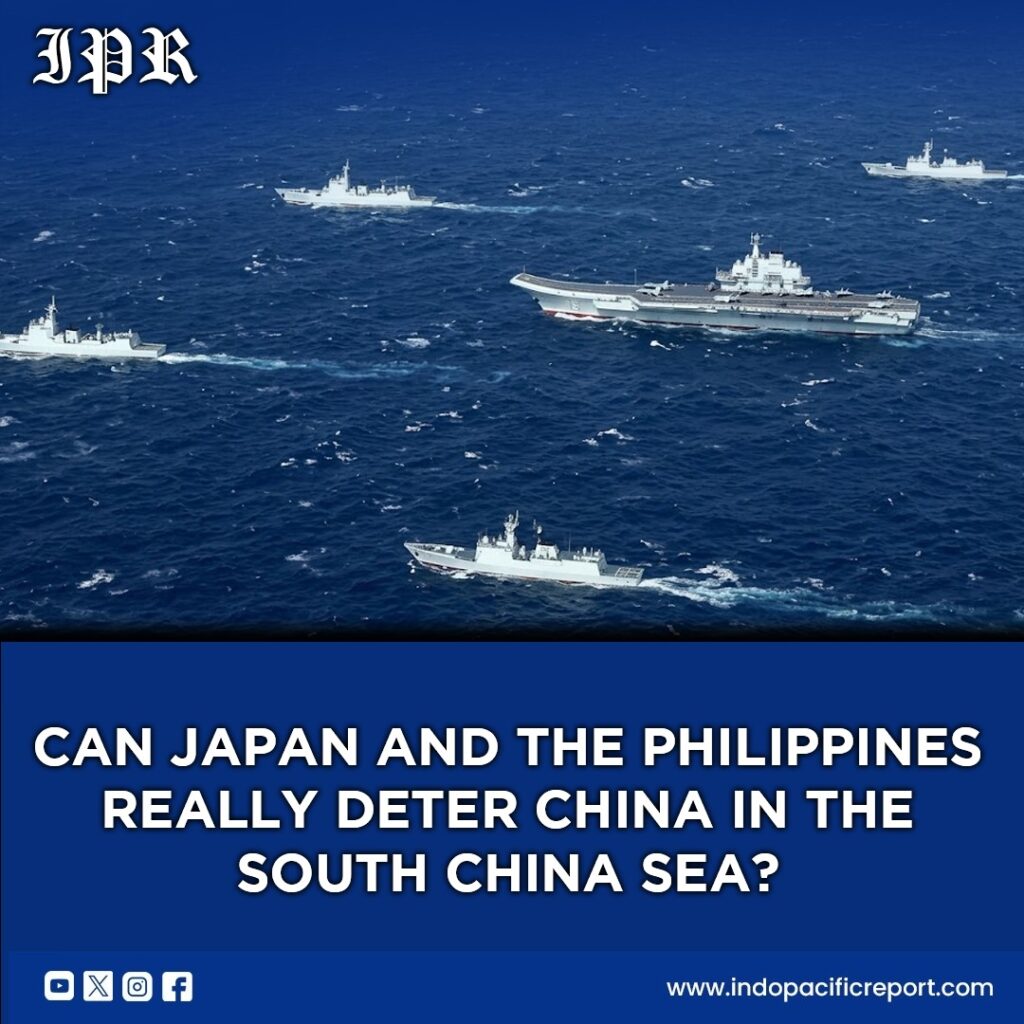
Alliance dynamics are also affected. The United States and its allies must reconsider deterrence strategies. With China operationalizing bases capable of deploying aircraft and missiles, the credibility of freedom-of-navigation operations (FONOPs) comes under strain. Regional partners may be compelled to deepen security cooperation, invest in maritime domain awareness, or accelerate force modernization to counterbalance China’s asymmetric advantage. Beijing’s construction strategy forces smaller powers to hedge between diplomacy, deterrence, and acquiescence.
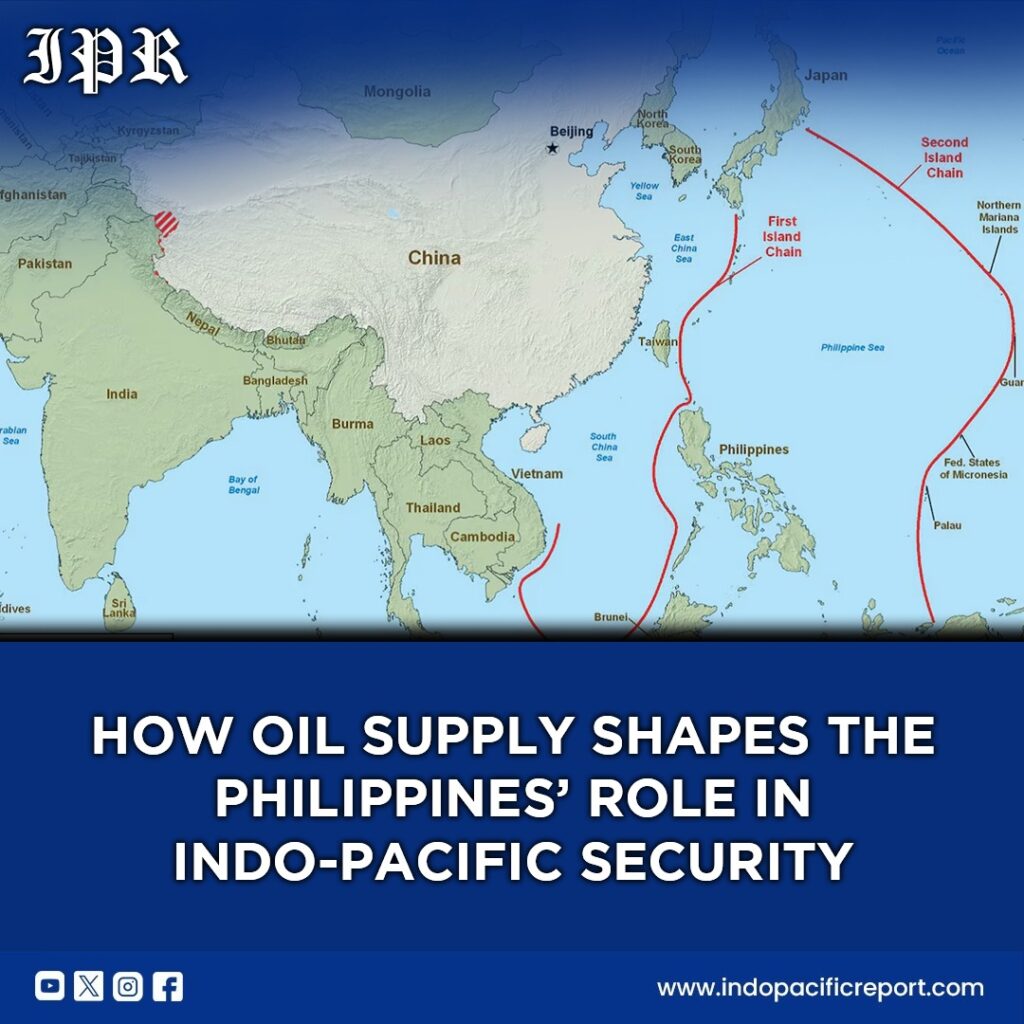
From a maritime and economic strategy lens, control over the Paracel and Spratly islands secures not only territorial claims but also critical shipping lanes and potential energy resources. The South China Sea handles over $5 trillion in trade annually, and militarized islands allow China to monitor and, if necessary, disrupt shipping flows. Energy exploration and fisheries also fall under Beijing’s shadow, creating leverage over Southeast Asian economies and reinforcing China’s broader geopolitical ambitions.
The implications for Indo-Pacific balance of power are significant. China’s “Great Wall of Sand” is more than physical land reclamation; it is a long-term strategic investment in regional dominance. The militarization of these islands shifts the risk calculus for neighbors and external powers alike. If unchallenged, it may normalize coercive territorial expansion, weaken the credibility of international law, and reduce operational freedom for rival navies in a region vital to global commerce.
Forward-looking assessment: Beijing’s campaign is unlikely to slow without coordinated diplomatic and military responses. Regional states must strengthen maritime surveillance, diversify partnerships, and reinforce alliances with the U.S., Japan, and Australia. For external powers, sustaining freedom of navigation and supporting legal norms is essential to prevent the South China Sea from becoming an exclusive Chinese lake. The choices made in the coming years will shape the strategic architecture of the Indo-Pacific for decades.
Question for the audience:
Can the South China Sea remain a rules-based maritime commons, or is Beijing’s “Great Wall of Sand” permanently shifting the balance of power?