The growing defense cooperation between South Korea and the Philippines is becoming an important development in the Indo-Pacific security landscape. In recent years, South Korea has quickly supplied the Philippines with modern warships, fighter aircraft, and missile systems. This rapid delivery is significant. In geopolitics, speed matters. When a country facing maritime pressure receives new defense platforms quickly, it can immediately strengthen deterrence. The fast delivery of frigates and offshore patrol vessels by HD Hyundai Heavy Industries to the Philippine Navy is therefore more than a commercial contract. It shows how middle powers are starting to shape regional security in practical ways.
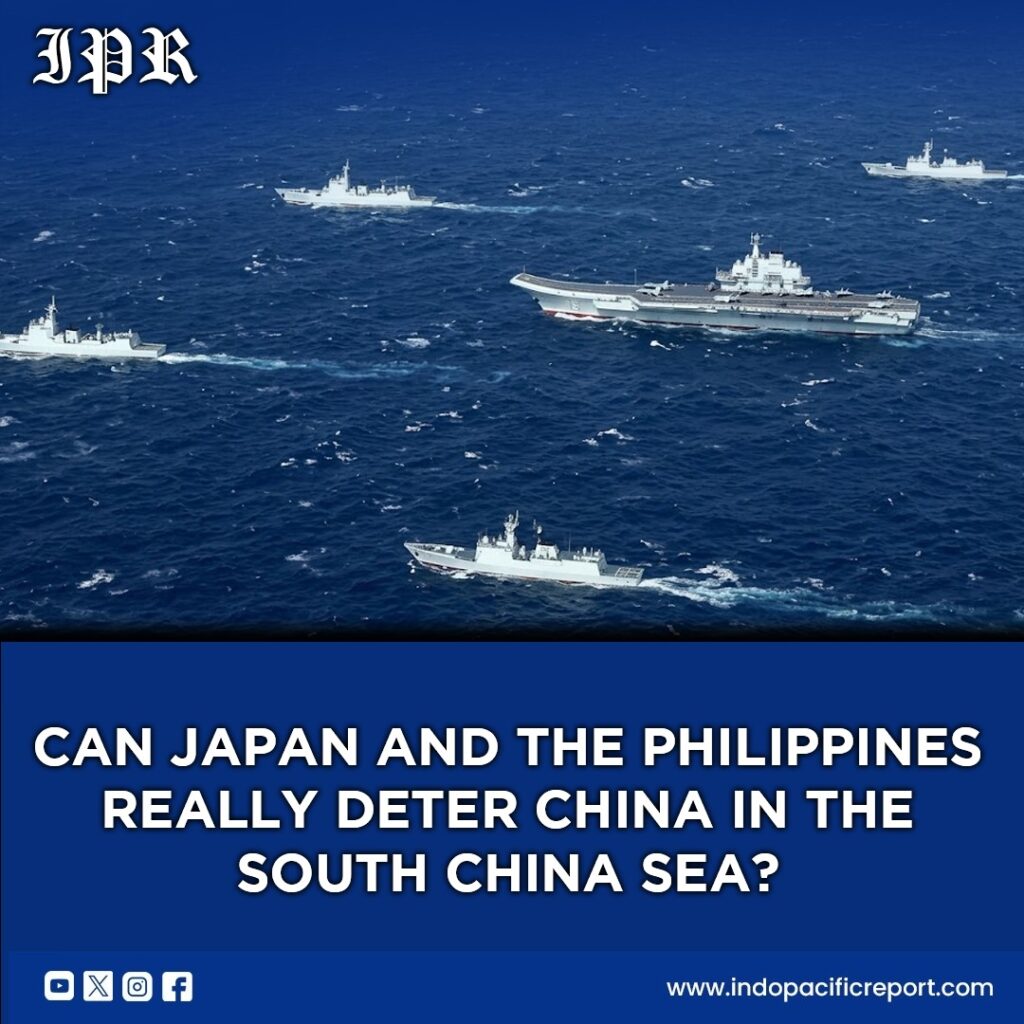
For the Philippines, this cooperation is part of a larger military modernization effort. For decades, the country’s armed forces focused mainly on internal security and counter-insurgency. External defense was not a priority. But the strategic environment has changed. Tensions and repeated confrontations in the South China Sea have pushed Manila to rethink its defense posture. The Philippine Navy now needs modern ships that can patrol long distances, monitor contested waters, and respond to gray-zone activities at sea. New frigates and offshore patrol vessels help improve maritime domain awareness, which is the ability to detect, track, and respond to activities in national waters. In simple terms, these ships allow the Philippines to watch its seas more closely and act faster when necessary.
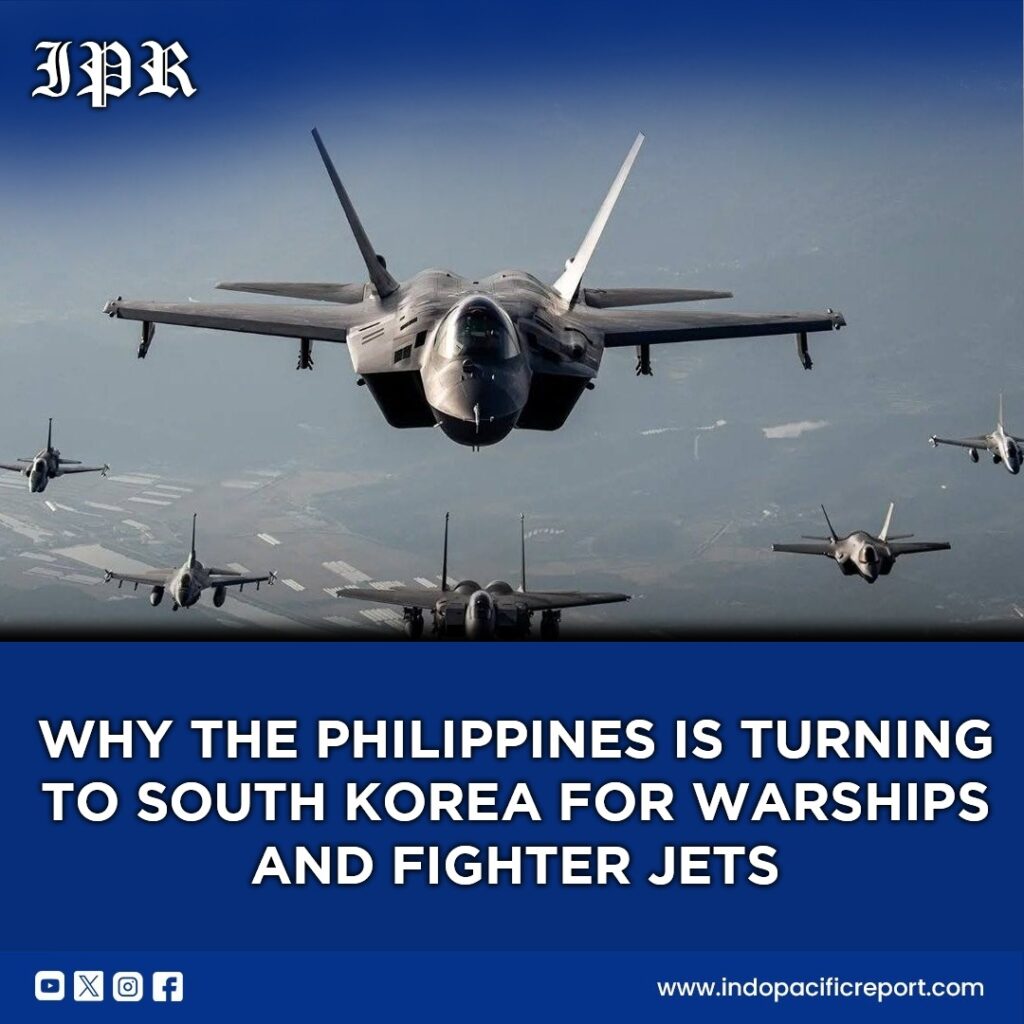
Air power is also becoming a key part of this defense upgrade. The Philippines already operates the KAI FA-50 Fighting Eagle, a light combat aircraft built by Korea Aerospace Industries. The FA-50 is designed for air patrol, training, and limited strike missions. It gives the Philippine Air Force a flexible and relatively affordable combat aircraft. But discussions are now expanding beyond this platform. Manila is also exploring the possibility of acquiring the next-generation KF-21 Boramae fighter, along with unmanned combat aerial vehicles and air-launched missiles. If these deals move forward, the Philippines would significantly improve its air deterrence capability—meaning its ability to monitor its airspace and respond to threats quickly.
From a regional security perspective, this partnership reflects a broader shift in the Indo-Pacific. Security in the region used to depend mainly on the alliance network led by the United States. That system still plays a central role. But today we are seeing the rise of “networked security.” In this model, countries cooperate directly with each other to strengthen defense capabilities. South Korea providing ships, aircraft, and weapons to Southeast Asian partners fits into this trend. Instead of relying only on a single great power, countries are building multiple defense partnerships. This makes the regional security architecture more flexible and more resilient.
South Korea also has its own strategic reasons for expanding defense cooperation. Traditionally, Seoul’s security focus has been dominated by the threat from North Korea. But in recent years, South Korea has become a major defense exporter. Its shipyards, aircraft manufacturers, and missile developers now compete globally. By supplying modern military systems to countries like the Philippines, South Korea strengthens political ties, expands its defense industry, and increases its strategic influence across the Indo-Pacific. In other words, defense exports are not just business—they are also a form of geopolitical engagement.
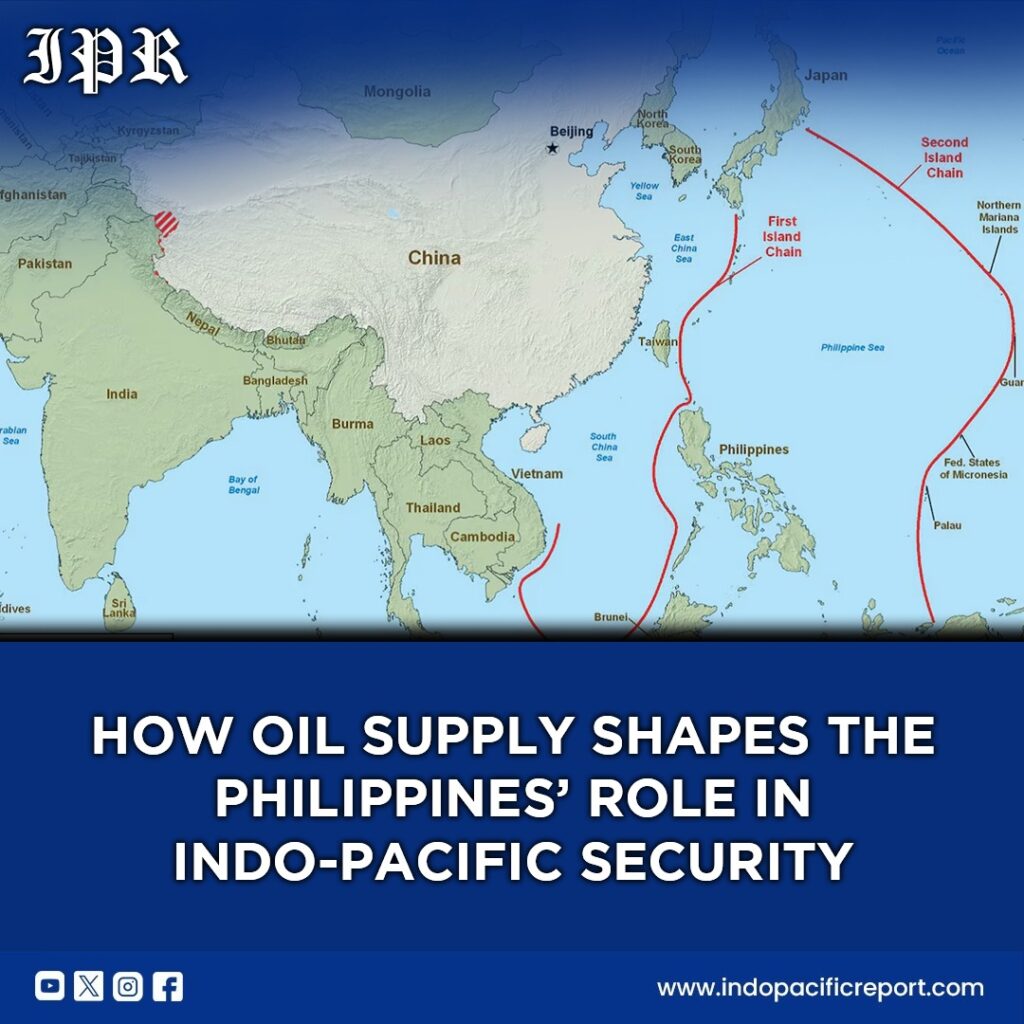
The maritime dimension of this partnership is particularly important. The Philippines sits at a strategic crossroads between the Pacific Ocean and major sea lanes used for global trade. These waters connect Northeast Asia to Southeast Asia and the Indian Ocean. Any disruption in these routes would affect regional economies. Stronger naval capabilities in the Philippines help maintain a stable maritime environment. In strategic terms, even modest improvements in naval and air power can complicate the calculations of larger powers operating in nearby waters.
Looking ahead, the future of Korea–Philippines defense cooperation could shape the balance of power in parts of Southeast Asia. If Manila proceeds with additional FA-50 purchases, the KF-21 fighter program, and unmanned combat systems, its military capabilities will expand significantly over the next decade. This will not suddenly transform the Philippines into a major military power. But it will strengthen deterrence and give the country more options in managing security challenges. It also reflects a broader trend: the Indo-Pacific security order is no longer shaped only by superpowers. Middle powers and regional partnerships are increasingly shaping the strategic environment.
Question for readers:
Do you think stronger military cooperation between South Korea and the Philippines can really improve security in the South China Sea?